
Last updated: January 2026
Quick Answer
Should I worry if my child has ongoing pet dard, loose motion, and is not gaining weight? These could be signs of Celiac Disease, which affects about 1 in 100 children worldwide.
Celiac disease is an autoimmune condition where eating gluten (found in wheat, barley, rye - think roti, bread, pasta, biscuits) damages the intestines. The good news? Once diagnosed, a strict gluten-free diet usually allows the gut to heal and most children to grow and thrive. Early diagnosis is key - the sooner you know, the sooner your child can start feeling better.

What is Celiac Disease?
Celiac disease is NOT a food allergy or just a “sensitivity.” It’s an autoimmune condition where:
- The body’s immune system attacks its own intestines when gluten is eaten
- This damages the lining of the small intestine (villi)
- Damaged intestines cannot absorb nutrients properly
- This leads to malnutrition, growth problems, and other issues
Important Points for Indian Parents:
- Wheat (gehu) is in almost everything we eat - roti, paratha, bread, biscuits, maggi, cakes
- Gluten is also in barley (jau) and rye
- Many Indian sweets and snacks contain maida (refined wheat flour)
- Hidden gluten is in soy sauce, some medicines, and even cosmetics
What Causes Celiac Disease?
Genetic Factors:
- Celiac disease runs in families
- If a parent or sibling has it, child has 10% chance
- Specific genes (HLA-DQ2 and DQ8) are involved
Trigger Factors:
- Introduction of gluten in diet (usually after 6 months)
- Gut infections
- Surgery or physical stress
- Sometimes triggered for unknown reasons
Who is at Higher Risk?
Children with these conditions should be tested:
- Type 1 Diabetes
- Down Syndrome
- Thyroid problems
- Autoimmune disorders
- Family history of Celiac disease
Symptoms by Age
Infants and Toddlers (6 months - 3 years):

| Symptom | What It Looks Like |
|---|---|
| Chronic Loose Motion | Frequent, foul-smelling, fatty stools |
| Constipation (Kabz) | Sometimes opposite of diarrhea |
| Bloated Tummy | Pot-belly appearance |
| Fussiness/Irritability | Cranky, unhappy baby |
| Poor Weight Gain | Not meeting growth milestones |
| Vomiting | Regular vomiting after meals |
| Loss of Appetite | Refusing to eat |
School-Age Children (4-12 years):
- Recurring pet dard (stomach aches)
- Gas and bloating
- Loose motion or kabz (constipation)
- Weight loss or poor weight gain
- Short height compared to peers
- Fatigue and tiredness
- Pale skin (anemia)
- Mood changes, irritability
Teenagers:
- Delayed puberty
- Short stature
- Anemia (iron deficiency)
- Mouth ulcers that keep coming back
- Skin rash (itchy, blistery)
- Bone and joint pain
- Headaches
- Anxiety and mood issues
”Silent” Celiac Disease:
Some children have NO digestive symptoms but show:
- Iron-deficiency anemia
- Low bone density
- Dental enamel problems
- Elevated liver enzymes
- Delayed growth
When to See a Doctor
Seek immediate care if:
- Severe dehydration from ongoing loose motion
- Significant weight loss
- Child is extremely weak and lethargic
- Swollen, painful abdomen
- Blood in stool
If your child looks very unwell, is unresponsive, or you fear it is a medical emergency, call 112 (national emergency) or 108 (ambulance) or go to the nearest hospital.
Schedule an appointment if:
- Chronic pet dard lasting more than 2-3 weeks
- Ongoing loose motion or kabz that doesn’t resolve
- Child is not gaining weight or growing
- Frequent foul-smelling, fatty stools
- Bloated tummy with gas
- Family history of Celiac disease
- Child has Type 1 Diabetes and digestive issues
How is Celiac Disease Diagnosed?
Step 1: Blood Tests
- tTG-IgA antibody test (most common screening)
- Must be done while still eating gluten
Step 2: Endoscopy with Biopsy
- Small camera looks at intestine
- Tiny tissue sample taken
- Done under sedation (child sleeps)
- Confirms diagnosis by showing villous damage
Important Note:
Do NOT start a gluten-free diet before testing! The tests only work if child is still eating gluten regularly.
Treatment: Gluten-Free Diet for Life
This is the ONLY treatment for Celiac disease.
Foods to AVOID (contain gluten):
| Category | Indian Foods to Avoid |
|---|---|
| Grains | Wheat (gehu), Barley (jau), Rye, Semolina (suji/rava), Dalia |
| Breads | Roti, Paratha, Naan, Bread, Pav |
| Processed | Maggi, Pasta, Biscuits, Cakes, Most packaged snacks |
| Sweets | Barfi, Halwa (suji), Many mithai |
| Others | Soy sauce, Some medicines, Malt |
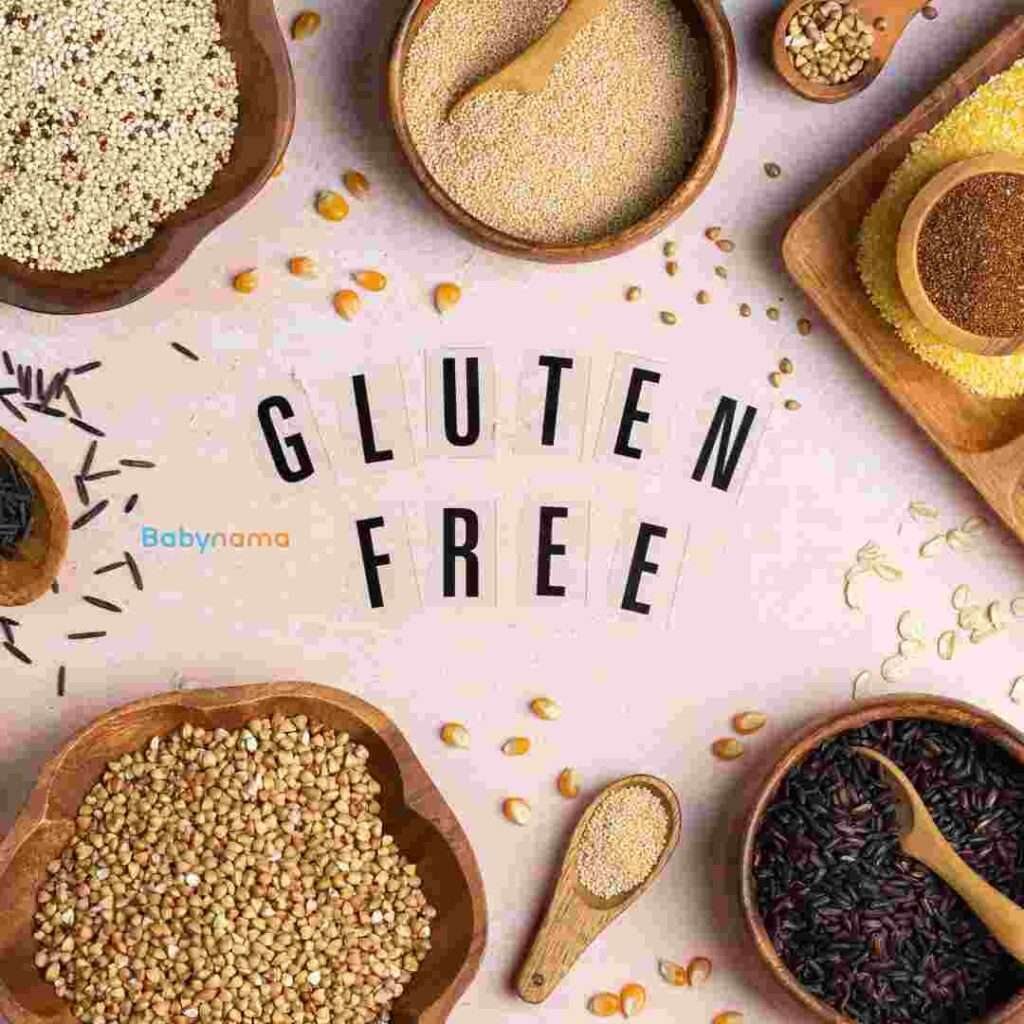
Safe Gluten-Free Foods:
| Category | What Your Child CAN Eat |
|---|---|
| Grains | Rice (chawal), Corn (makka), Jowar, Bajra, Ragi, Quinoa, Buckwheat (kuttu) |
| Proteins | All fresh meat, fish, eggs, dal, paneer |
| Dairy | Milk, curd, cheese (check labels) |
| Fruits & Vegetables | All fresh fruits and vegetables |
| Others | Potatoes, All nuts, Seeds |
Indian Gluten-Free Meal Ideas:
Breakfast:
-
Idli/Dosa (made with rice and urad dal)
-
Poha (flattened rice)
-
Upma (made with rice rava, not wheat)
-
Chilla (besan/gram flour)
-
Ragi porridge Lunch/Dinner:
-
Rice with dal and sabzi
-
Makki ki roti with sarson ka saag
-
Rajma chawal
-
Chole chawal (check masala labels)
-
Gluten-free khichdi Snacks:
-
Fresh fruits
-
Roasted chana
-
Makhana
-
Rice puffs (murmura)
-
Gluten-free cookies (check labels)
Managing Celiac Disease: Tips for Parents
At Home:
- Separate cooking areas - avoid cross-contamination
- Dedicated utensils - separate tawa, spoons for gluten-free cooking
- Read every label - gluten hides in unexpected places
- Cook Indian gluten-free foods - many traditional options exist!
At School:
- Inform teachers and school staff
- Pack lunch and snacks from home
- Avoid sharing food with friends
- Carry safe snacks for parties
Eating Out:
- Call ahead and ask about gluten-free options
- Avoid street food (high cross-contamination risk)
- Choose naturally gluten-free dishes (rice-based)
- Be cautious with sauces and marinades
What to Expect After Starting a Gluten-Free Diet
Every child heals at their own pace, so use this as a rough guide rather than a fixed timeline. Talk to your pediatrician if your child is not improving as expected.
| Timeline | What to Expect |
|---|---|
| First Week | May feel worse initially (withdrawal) |
| 2-4 Weeks | Symptoms start improving |
| 3-6 Months | Often significant improvement in symptoms |
| 6-12 Months | Gut healing, better growth |
| 1-2 Years | Often substantial healing of the intestines |
FAQs
Q: My child has pet dard after eating roti - could it be Celiac?
A: It could be, especially if the stomach pain is accompanied by loose motion, bloating, or poor weight gain. However, many children have temporary gluten sensitivity that is different from Celiac disease. Get tested before making any dietary changes.
Q: Can my child outgrow Celiac disease?
A: No, Celiac disease is a lifelong condition. Unlike some food allergies, children do not outgrow Celiac disease. The gluten-free diet must be followed strictly for life.
Q: Will my child never be able to eat roti again?
A: Your child cannot eat wheat roti, but there are many alternatives! Makki (corn) roti, jowar roti, bajra roti, and gluten-free flour rotis are all options. Many families find creative ways to enjoy traditional foods gluten-free.
Q: Is a little bit of gluten okay sometimes?
A: No, even small amounts of gluten can damage the intestines in someone with Celiac disease. Even a crumb of bread can cause harm. The diet must be strictly gluten-free.
Q: My child has Celiac disease - should my other children be tested?
A: Yes, first-degree relatives (siblings, parents) should be tested. They have a 10% chance of having Celiac disease, even if they don’t have obvious symptoms.
Q: Are gluten-free products safe for my child?
A: Look for certified gluten-free labels. In India, brands like Wheafree, Healthy Alternatives, and some Big Basket options offer certified gluten-free products. Always read labels carefully.
This article was reviewed by a pediatrician. For personalized advice about Celiac disease in your child, consult with Babynama’s pediatric experts on WhatsApp.
General information for Indian parents, not a substitute for your pediatrician. In an emergency, call 112 or 108.
Need personalized guidance? Book a consultation with our pediatricians or explore our Care Plans for 24/7 expert support!