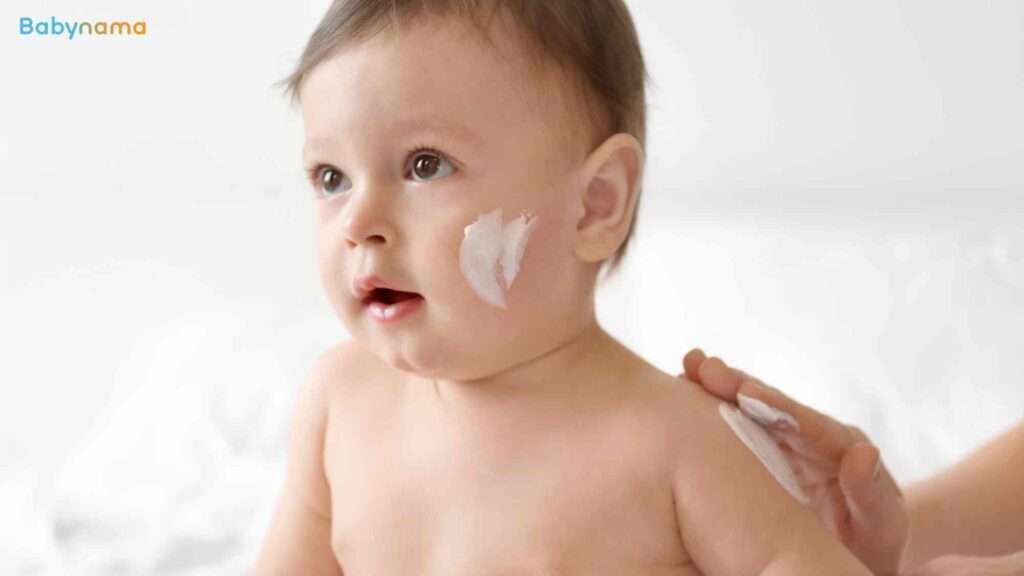
Quick Answer: Baby skin is 5 times thinner than adult skin and needs gentle care! Key tips: Bathe 2-3 times weekly (not daily), use lukewarm water, choose fragrance-free products, moisturize immediately after bath, and protect from sun. For common issues like diaper rash, heat rash, and dry skin, simple home care usually works. See a doctor if rash spreads, has pus, or baby seems unwell.
Understanding Your Baby’s Skin
Baby skin is delicate and different from adult skin:
| Feature | Baby Skin | Adult Skin |
|---|---|---|
| Thickness | 5x thinner | Fully developed |
| Moisture loss | Loses moisture faster | Better barrier |
| pH balance | Takes months to stabilize | Stable |
| Sun protection | Minimal melanin | Better protection |
| Sensitivity | Highly reactive | More resilient |
Why this matters: Baby skin absorbs products more easily (both good and bad), loses moisture quickly, and reacts to irritants more readily.
Bath Time Basics
How Often Should Baby Bathe?
| Age | Frequency | Notes |
|---|---|---|
| Newborn (0-4 weeks) | 2-3 times/week | Sponge bath until cord falls |
| 1-6 months | 2-3 times/week | Daily bath not needed |
| 6-12 months | 3-4 times/week | More if crawling and messy |
| Toddlers | Daily or as needed | Active play = more baths |
Bath Tips
Do:
-
Use lukewarm water (test with elbow)
-
Keep bath time short (5-10 minutes)
-
Support baby’s head and neck always
-
Clean diaper area last
-
Pat dry gently (don’t rub) Don’t:
-
Use hot water
-
Leave baby unattended even for a second
-
Over-bathe (strips natural oils)
-
Use adult products
Choosing the Right Products
What to Look For

| Product | Choose | Avoid |
|---|---|---|
| Soap/Cleanser | Soap-free, pH balanced | Harsh soaps, antibacterial |
| Shampoo | Tear-free, gentle | Adult shampoos |
| Moisturizer | Fragrance-free, hypoallergenic | Scented lotions |
| Diaper cream | Zinc oxide based | Steroid creams (unless prescribed) |
| Sunscreen | Mineral (zinc/titanium), SPF 30+ | Chemical sunscreens under 6 months |
Indian Brands That Work Well
- Sebamed Baby
- Cetaphil Baby
- Himalaya Baby (gentle range)
- Johnson’s (fragrance-free range)
- Mamaearth (check ingredients)
Tip: Always do a patch test before using any new product on baby’s skin.
Daily Skincare Routine
Morning Routine
- Wipe face with damp cloth
- Check diaper area - clean and apply barrier cream
- Moisturize if skin looks dry
- Dress appropriately for weather
After Bath Routine
- Pat dry within 3 minutes
- Apply moisturizer while skin is slightly damp (locks in moisture)
- Pay attention to folds - neck, armpits, behind ears
- Diaper cream before putting on fresh diaper
Bedtime Routine
- Gentle wipe down if no bath
- Moisturize especially in winter
- Fresh diaper with barrier cream
Common Skin Problems and Solutions
Diaper Rash

Causes: Wet diapers, friction, sensitivity to products
Treatment:
- Change diapers frequently
- Let baby go diaper-free when possible
- Apply a zinc oxide barrier cream (e.g. Sudocrem, Himalaya Diaper Rash Cream)
- Use fragrance-free wipes or just water See doctor if: Rash has blisters, pus, or spreads beyond diaper area
Heat Rash (Ghamori/Prickly Heat)
Causes: Blocked sweat glands, overdressing, hot weather
Treatment:
- Keep baby cool
- Dress in loose, cotton clothes
- Use calamine lotion
- Cool baths (not cold) Prevention: Don’t overdress baby, use AC/fan in summer
Cradle Cap
What it looks like: Yellowish, scaly patches on scalp
Treatment:
- Apply coconut oil, leave 15-20 minutes
- Gently brush with soft brush
- Wash with gentle shampoo
- Usually clears on its own by 6-12 months
Dry Skin
Causes: Low humidity, over-bathing, harsh products
Treatment:
-
Reduce bath frequency
-
Use lukewarm water only

-
Apply moisturizer immediately after bath
-
Use humidifier in winter
Baby Acne
What it looks like: Small red or white bumps on face
Treatment:
- Usually no treatment needed
- Keep face clean with water
- Don’t pick or squeeze
- Clears on its own by 3-4 months
Seasonal Skincare
Summer Care
| Concern | Solution |
|---|---|
| Heat rash | Loose cotton clothes, AC/fan |
| Sunburn | Avoid direct sun, use shade |
| Dehydration | Extra breastfeeds/water |
| Insect bites | Mosquito nets, safe repellents |
Winter Care
| Concern | Solution |
|---|---|
| Dry skin | Moisturize 2-3 times daily |
| Chapped lips | Apply ghee or petroleum jelly |
| Cracked cheeks | Barrier cream before going out |
| Over-layering | Dress in layers, check for sweat |
Monsoon Care
| Concern | Solution |
|---|---|
| Fungal infections | Keep folds dry, change wet clothes |
| Humidity rashes | Cotton clothes, good ventilation |
| Diaper rash | More frequent changes |
Traditional Indian Practices: What’s Safe?
| Practice | Safe? | Notes |
|---|---|---|
| Coconut oil massage | ✅ Yes | Great for moisturizing, do patch test |
| Besan (gram flour) bath | ⚠️ Caution | Can be drying, use sparingly |
| Haldi (turmeric) | ⚠️ Caution | Can stain, may irritate some babies |
| Kajal in eyes | ❌ No | Risk of infection, lead in some kajal |
| Mustard oil | ⚠️ Caution | Can irritate, always dilute |
Best practice: Of the traditional options, plain coconut oil is generally the safest for baby massage and moisturizing. Besan, haldi, and mustard oil are widely used but have no proven skincare benefit and can irritate baby skin — discuss with your pediatrician before using them. Never put kajal in or around the eyes.
When to See a Doctor
Seek Medical Help If:
-
Rash is spreading rapidly
-
Blisters, pus, or bleeding
-
Baby has fever with rash

-
Skin looks infected (red, warm, swollen)
-
Rash doesn’t improve with home care
-
Baby is scratching constantly
🚨 Get emergency help now — go to the nearest hospital or call 112 (national emergency) or 108 (ambulance) — if your baby has a rash with any of these: high fever in a baby under 3 months (any fever ≥100.4°F/38°C at this age is an emergency), a rash of tiny purple/red spots that does not fade when you press a glass against it, difficulty breathing, swelling of the lips/face/tongue, floppiness or unresponsiveness, or a rapidly spreading red, hot, painful area.
Frequently Asked Questions
Q: Can I use coconut oil on my newborn?
A: Yes, virgin coconut oil is generally safe and excellent for moisturizing. Do a patch test first and avoid face area to prevent acne.
Q: My baby has very dry skin. Should I bathe less?
A: Yes, reduce to 2 times a week and use lukewarm water only. Moisturize immediately after bath. In severe cases, consult a pediatrician.
Q: Is talcum powder safe for babies?
A: It’s best avoided. Powder can be inhaled and cause breathing problems. Use cornstarch-based powder if needed, keeping away from face.
Q: When can I start using sunscreen on my baby?
A: After 6 months for mineral sunscreens. Before 6 months, keep baby in shade and use protective clothing.
Q: My baby’s skin is darker in some areas. Is this common?
A: Uneven skin tone is common in babies and often evens out with time. However, consult a doctor if you notice unusual patches, rapidly changing marks, or a single dark patch that is growing.
Key Takeaways
- Less is more - Don’t over-bathe or use too many products
- Moisturize, moisturize - Apply while skin is still damp
- Choose gentle products - Fragrance-free and hypoallergenic
- Watch for reactions - Patch test new products
- Seasonal adjustments - Adapt routine for weather
- When in doubt, consult - See a pediatrician for persistent issues
This article was reviewed by pediatricians at Babynama. Last updated: January 2026
General information for Indian parents, not a substitute for your pediatrician. In an emergency, call 112 or 108.
Need personalized guidance? Book a consultation with our pediatricians or explore our Care Plans for 24/7 expert support!