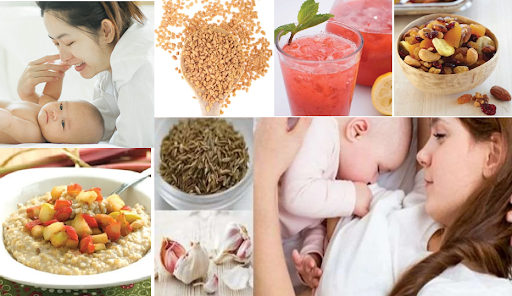
How to Increase Breast Milk Supply Naturally
Quick Answer: Most mothers produce enough milk for their babies - but if you’re genuinely concerned about low supply, there are proven ways to boost it naturally. The key is frequent feeding/pumping (supply = demand), proper hydration, adequate nutrition, and rest. Traditional Indian foods like methi, gond laddoo, and saunf have been used for generations to support lactation. Don’t panic, mummy - help is available!
Is Your Milk Supply Really Low?
Before trying to increase supply, confirm if you actually have low supply. Many mothers worry unnecessarily!
Signs Your Supply is FINE:
- Baby is gaining weight normally
- 6+ wet diapers per day (after day 4)
- Baby seems satisfied after feeds
- You hear swallowing during feeding
- Baby is meeting developmental milestones
Signs Supply Might Actually be Low:
- Baby is not gaining weight as expected
- Fewer than 6 wet diapers daily (after day 4)
- Baby is constantly fussy even after long feeds
- Baby shows signs of dehydration
Reassurance: 95% of mothers can produce enough milk for their babies. True low supply is rare. If baby is gaining weight, you’re doing great!
Why Does Low Milk Supply Happen?
Common Causes:
| Cause | Solution |
|---|---|
| Infrequent feeding | Feed on demand, minimum 8-12 times/day for newborns |
| Poor latch | Get lactation consultant help |
| Supplementing with formula | Reduces demand, reduces supply |
| Stress and exhaustion | Rest, accept help, stay calm |
| Dehydration | Drink 3-4 liters fluids daily |
| Hormonal issues | PCOS, thyroid problems - consult doctor |
| Certain medications | Check with doctor |
| Previous breast surgery | May affect milk production |
Proven Ways to Increase Breast Milk Supply
1. Feed More Frequently (Supply = Demand)
The most effective way to increase supply is to empty your breasts frequently.
What to do:
- Feed baby every 2-3 hours (minimum 8-12 times/day for newborns)
- Don’t skip night feeds - prolactin is highest at night
- Let baby finish one breast before switching
- Offer both breasts at each feed For working mothers: Pump at the same times baby would normally feed.
2. Power Pumping (Pump Badhane Ka Tarika)
Mimics cluster feeding and signals your body to produce more.
How to do power pumping (once daily for 3-5 days):
- Pump for 20 minutes
- Rest for 10 minutes
- Pump for 10 minutes
- Rest for 10 minutes
- Pump for 10 minutes Best time: Evening hours when prolactin levels are naturally higher.
3. Ensure Proper Latch
Even with good supply, poor latch means baby can’t extract milk effectively.
Signs of good latch:
- Baby’s mouth covers most of areola
- Lips flanged outward
- You hear swallowing
- No pain after initial latch Get help if: Latch is painful, baby makes clicking sounds, or nipples are damaged.
4. Skin-to-Skin Contact
Hold baby skin-to-skin as much as possible.
- Releases oxytocin
- Increases prolactin
- Calms both mother and baby
- Encourages frequent feeding
Indian Foods to Boost Breast Milk (Doodh Badhane Wale Khane)
Traditional Indian foods have been used for generations to support lactation. Here are the most effective galactagogues:
Top Lactation-Boosting Foods
| Food | How to Use | Why It Works |
|---|---|---|
| Methi (Fenugreek) | Seeds soaked overnight, laddoos, in parathas | Most studied galactagogue, stimulates milk production |
| Gond (Edible gum) | Gond ke laddoo | Traditional post-delivery food, provides energy |
| Saunf (Fennel) | Saunf water, in food, as mouth freshener | Increases milk supply, reduces colic in baby |
| Jeera (Cumin) | In buttermilk, dal, as tadka | Aids digestion, supports lactation |
| Ajwain | In parathas, laddoos, added to dal | Good for postpartum gas, supports milk supply |
| Desi Ghee | 1-2 tbsp in food daily | Healthy calories needed for milk production |
| Dry Fruits | Almonds, walnuts, dates | Omega-3, healthy fats, energy |
Traditional Recipes That Work
1. Methi Laddoo
-
Made with methi powder, wheat flour, jaggery, ghee, dry fruits
-
One laddoo daily 2. Gond ke Laddoo
-
Edible gum fried in ghee, with wheat flour, dry fruits, jaggery
-
Warming, energy-giving 3. Panjiri
-
Wheat flour, ghee, dry fruits, seeds, sugar
-
Traditional North Indian postpartum food 4. Saunf Water
-
Soak 1 tsp saunf in warm water overnight
-
Strain and drink in morning
Other Helpful Foods
| Food | Benefits |
|---|---|
| Oats (Jaee) | Iron-rich, promotes milk production |
| Green leafy vegetables | Iron, calcium, vitamins |
| Dal and legumes | Protein, fiber, vitamins |
| Bottle gourd (Lauki) | Traditional galactagogue, hydrating |
| Carrots (Gajar) | Vitamin A, improves milk quality |
| Papaya | Enzymes that support lactation |
| Salmon/fish | Omega-3 for baby’s brain development |
| Eggs | Complete protein, easy to prepare |
| Milk and curd | Calcium, protein |
Hydration: Critical for Milk Production
Your body needs extra fluids to make milk!
Daily target: 3-4 liters of fluids
Good options:
- Plain water
- Milk (regular or flavored)
- Coconut water (nariyal paani)
- Buttermilk (chaach/lassi)
- Dal and soup
- Fresh fruit juice (without added sugar)
- Herbal teas (but limit caffeine) Tip: Keep a water bottle near your feeding spot. Drink a glass every time you feed.
Foods to Limit or Avoid
These may decrease milk supply or pass to baby:
| Avoid/Limit | Why |
|---|---|
| Peppermint (pudina) | Large amounts can reduce supply |
| Sage | Known to decrease milk |
| Parsley | In large quantities, may reduce supply |
| Alcohol | Wait 2-3 hours per drink before feeding |
| Excessive caffeine | Limit to 1-2 cups chai/coffee |
| Smoking | Reduces supply and affects milk quality |
Lifestyle Tips for Better Milk Supply
Rest and Sleep
- Sleep when baby sleeps (really do this!)
- Accept help from family
- Don’t stress about housework
- Stress hormones inhibit milk production
Manage Stress
- Deep breathing exercises
- Listen to calming music while feeding
- Seek support from other mothers
- Talk about your feelings
Exercise Moderately
- Gentle walking is fine
- Avoid intense exercise until supply is established
- Stay hydrated if exercising
When Will You See Results?
| Method | Expected Time |
|---|---|
| Increased feeding frequency | 1-2 days |
| Power pumping | 2-3 days |
| Galactagogues (methi, etc.) | 3-5 days |
| Proper hydration | Immediate to 24 hours |
When to Seek Professional Help
Consult a lactation expert or doctor if:
- Baby is not gaining weight despite frequent feeding
- You’ve tried these methods for 2 weeks without improvement
- You have underlying health conditions (thyroid, PCOS)
- You suspect tongue-tie or latch issues
- Breastfeeding is very painful Babynama offers lactation consultations - get expert help from home!
Frequently Asked Questions
Q: How do I know if baby is getting enough milk?
A: Track wet diapers (6+ daily after day 4) and weight gain. If baby is growing and producing wet diapers, supply is adequate.
Q: Can I take medication to increase milk supply?
A: Medications like Domperidone are sometimes prescribed, but only after natural methods fail. Always consult your doctor - don’t self-medicate.
Q: My breasts feel soft now. Does that mean low supply?
A: No! After 6-8 weeks, breasts regulate and may feel softer. This is normal and doesn’t mean low supply.
Q: Pump se kam doodh aa raha hai - is my supply low?
A: Pump output doesn’t equal actual supply. Your baby is much more efficient than a pump. Many mothers with great supply pump very little.
Q: Will drinking milk increase my breast milk?
A: Dairy provides calcium and protein but doesn’t directly increase milk production. Overall hydration and nutrition matter more than any single food.
Q: Should I take lactation supplements?
A: Natural foods are usually sufficient. If considering supplements, consult your doctor first. Some contain herbs that may have side effects.
Key Takeaways
- Most mothers produce enough milk - Confirm supply is actually low before worrying
- Frequency is key - More feeding/pumping = more milk
- Hydration matters - Drink 3-4 liters daily
- Indian foods help - Methi, gond, saunf are time-tested galactagogues
- Rest is essential - Stress reduces milk production
- Get help if needed - Lactation consultants can solve most problems
This article was reviewed by pediatricians and lactation consultants at Babynama. Last updated: January 2026
Worried about milk supply? Chat with our lactation experts on Babynama for personalized guidance!
Need personalized guidance? Book a consultation with our pediatricians or explore our Care Plans for 24/7 expert support!
Need Expert Breastfeeding Support?
Get personalized guidance from certified lactation consultants.
Explore Breastfeeding Program