
Understanding Common concerns about breastfeeding
Last updated: January 2026
Quick Answer
Breastfeeding concerns are completely normal - every mother has questions, worries, and moments of doubt, especially in the early days! Whether you’re worried about milk supply (doodh ki kami), pain, latching, or pumping, know that most challenges can be overcome with the right information and support. This guide addresses the most common breastfeeding (stanpan) concerns that Indian mothers face.
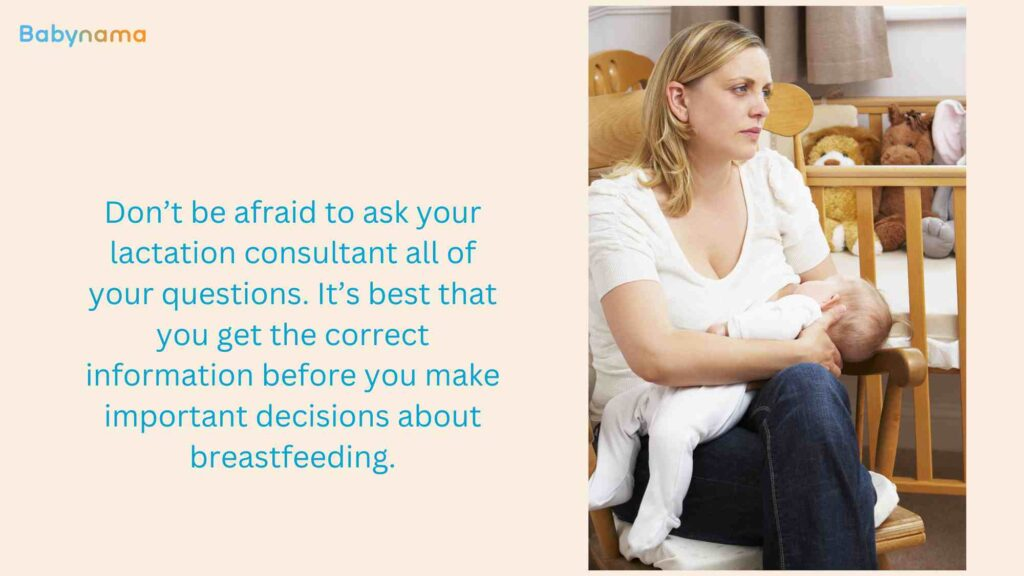
Common Breastfeeding Concerns Answered
Concern 1: “Are my breasts too small to breastfeed?”
Answer: Breast size has NO connection to milk production!
| Myth | Fact |
|---|---|
| Small breasts = less milk | Breast SIZE is due to fat tissue; MILK is made by glandular tissue, which is similar in all women |
| Big breasts = more milk | Large-breasted women don’t produce more milk |
| Can’t breastfeed with flat/inverted nipples | Most can with proper positioning and sometimes nipple shields |
Reassurance: Your body was designed to nourish your baby. Milk production depends on how often baby feeds, not breast size.
Concern 2: “Will breastfeeding hurt?”
Answer: Breastfeeding should NOT hurt once baby is latched properly!
What’s Normal:
-
Mild tenderness in first few days (nipples adjusting)
-
Initial “toe-curling” sensation that fades within seconds
-
Engorgement discomfort when milk comes in What’s NOT Normal:
-
Sharp, ongoing pain during feeds
-
Cracked, bleeding nipples
-
Pain that doesn’t improve after 2 weeks
-
Dreading feeds because of pain If It Hurts, Check:
| Problem | Solution |
|---|---|
| Poor latch | Seek help from lactation consultant |
| Baby’s tongue-tie | May need evaluation |
| Infection (mastitis) | See doctor immediately |
| Thrush (fungal) | Both mom and baby need treatment |
Concern 3: “Is breastfeeding difficult to learn?”
Answer: Yes, it’s a learned skill - but you CAN learn it!
Reality Check:
-
First 2 weeks are often the hardest
-
It gets easier with practice
-
Most mothers find their rhythm by week 3-4
-
Having support makes a huge difference Where to Get Help:
-
Hospital lactation consultants
-
Online breastfeeding support groups
-
Experienced family members/friends
-
Pediatrician or healthcare provider
-
Video tutorials and apps
Concern 4: “I feel shy about breastfeeding in public”
Answer: There are many ways to breastfeed comfortably and discreetly!
Practical Tips:
- Use a lightweight dupatta or nursing cover
- Wear shirts that pull up from bottom
- Practice at home in front of mirror
- Use baby carrier for hands-free, covered feeding
- Feed in quiet corners, nursing rooms, or car
- Remember: feeding your baby is normal and legal everywhere Hinglish Tip: Many malls and airports in India now have dedicated breastfeeding rooms (nursing rooms). Look for signs!
Concern 5: “Do I need to drink milk to make breast milk?”
Answer: No! You don’t need to drink milk to produce milk.
Good Calcium Sources for Indian Mothers:
| Food | Serving |
|---|---|
| Curd (dahi) | 1 cup |
| Paneer | 50-100g |
| Ragi (finger millet) | In any form |
| Sesame seeds (til) | 1-2 tbsp |
| Green leafy vegetables | Daily |
| Almonds (badam) | Handful |
| Fish (if non-veg) | Weekly |
What You DO Need:
- Adequate calories (extra 400-500/day)
- Plenty of water (3-4 liters)
- Balanced nutrition
- Rest when possible
Concern 6: “How do I breastfeed when going out or back to work?”
Answer: Pumping and storing milk allows you to continue providing maa ka doodh!
Step-by-Step Guide:
Step 1: Learn to Express/Pump
- Manual expression (hand technique)
- Manual pump
- Electric pump (single or double)
- Practice before you need it Step 2: Store Milk Properly
| Storage Location | Duration |
|---|---|
| Room temperature | 4-6 hours |
| Refrigerator | 3-5 days |
| Freezer | 3-6 months |
| Deep freezer | 6-12 months |
Step 3: Create a Routine
-
Pump at regular times (maintains supply)
-
At work: pump every 3-4 hours
-
Store pumped milk in clean containers
-
Label with date For Working Mothers:
-
Indian law requires workplaces to provide breastfeeding breaks
-
Ask for a private pumping space
-
Carry a cooler bag for storage
-
Many women successfully combine work and breastfeeding
Concern 7: “Feeding takes too long - is this normal?”
Answer: Yes, especially in the early weeks!
Normal Feeding Duration:
| Age | Typical Duration per Feed |
|---|---|
| Week 1-2 | 20-45 minutes |
| Week 2-6 | 15-30 minutes |
| 2-3 months | 10-20 minutes |
| 3-6 months | 5-15 minutes |
Why Longer Isn’t Always a Problem:
-
Baby is comfort-nursing
-
Baby is sleepy at breast
-
Perfectly normal in cluster feeding periods When to Be Concerned:
-
Every single feed takes 45+ minutes AND baby seems unsatisfied
-
Baby is not gaining weight
-
You’re exhausted and not coping
Concern 8: “What should I eat or avoid while breastfeeding?”
Answer: Most foods are fine - eat a balanced Indian diet!
What to Include:
- Regular dal-roti-sabzi
- Plenty of fluids
- Iron-rich foods (jaggery, dates, green veggies)
- Calcium sources (dairy, ragi)
- Traditional lactation foods (methi, saunf, gond laddoo, ajwain) What to Limit or Avoid:
| Avoid/Limit | Why |
|---|---|
| Excessive caffeine | Can make baby fussy (limit to 2 cups chai/coffee) |
| Alcohol | Passes to milk |
| Smoking | Harmful to baby, reduces milk |
| Too much spicy | Some babies may get fussy (observe your baby) |
| Raw/undercooked food | Hygiene concerns |
Note: You don’t need to eat bland food! Most babies tolerate normal Indian diet well.
Tips for Successful Breastfeeding
- Feed on demand - Watch baby, not the clock
- Skin-to-skin contact - Helps with bonding and milk supply
- Proper latch is key - Seek help if painful
- Stay hydrated - Keep water bottle nearby always
- Rest when possible - Sleep when baby sleeps
- Ask for help - It’s not a sign of failure
- Trust your body - Most women CAN breastfeed
Common Mistakes to Avoid
- Supplementing too early - Can reduce your supply
- Watching the clock - Feed based on baby’s cues
- Comparing with other babies - Every baby is different
- Giving up too soon - Early weeks are hardest, it gets easier
- Not seeking help - Many problems have simple solutions
- Ignoring pain - Pain is not normal, seek help
- Stressing too much - Stress can affect let-down
When to Seek Help
See a Lactation Consultant If:

-
Persistent pain during feeding
-
Cracked or bleeding nipples
-
Baby not latching properly
-
Concerns about milk supply
-
Baby not gaining weight
-
You’re feeling overwhelmed See Your Doctor If:
-
Fever with breast pain (possible mastitis)
-
Hard, red lumps in breast
-
Baby is losing weight
-
Fewer than 6 wet diapers after day 4
-
Signs of jaundice in baby
Frequently Asked Questions
Q: Mera doodh kam hai - kya karun?
A: Most likely, your supply is fine! Perceived low supply is more common than actual low supply. Signs of ENOUGH milk: 6+ wet diapers daily, steady weight gain, satisfied baby after feeds. To boost supply: feed more frequently, ensure proper latch, stay hydrated, eat well, and try traditional foods like methi laddoo, saunf water, and gond.
Q: Baby latch nahi kar raha - kya karun?
A: Check positioning first - bring baby to breast, not breast to baby. Support your breast with C-hold. Wait for baby to open mouth WIDE, then bring baby on quickly. If still struggling, check for tongue-tie with your pediatrician. A lactation consultant can help in person.
Q: Kya formula dena chahiye raat ko so that baby sleeps longer?
A: Not recommended in first 6 months! Breast milk at night is important for maintaining supply. Night feeds help prevent engorgement and mastitis. Formula doesn’t necessarily help baby sleep longer. Night waking is normal and biologically appropriate.
Q: Painful nipples - kaise theek karun?
A: First, fix the latch - this is the most common cause. Apply breast milk to nipples after feeds (natural healer). Use lanolin cream or coconut oil. Air dry nipples. Use nipple shields only if needed temporarily. If not improving, see a lactation consultant - persistent pain needs professional help.
Q: Kitne din tak breastfeeding karni chahiye?
A: WHO recommends exclusive breastfeeding for 6 months, then continued breastfeeding with appropriate foods until 2 years or beyond. However, ANY breastfeeding is beneficial. Whether you breastfeed for 6 weeks or 6 months or 2 years - you’re giving your baby a great start. It’s your decision based on your circumstances.
This article was reviewed by a pediatrician. Remember: asking questions about breastfeeding shows you care about doing the best for your baby!
Need personalized guidance? Book a consultation with our pediatricians or explore our Care Plans for 24/7 expert support!
Need Expert Breastfeeding Support?
Get personalized guidance from certified lactation consultants.
Explore Breastfeeding Program