
Quick Answer
Not necessarily. If your child forgets homework sometimes, daydreams in class, or is restless at meals, it does not automatically mean they have ADHD. These behaviors are common in many children. ADHD is diagnosed only when symptoms are persistent, severe, and affect multiple areas of life - school, home, and friendships - for at least 6 months.
Why This Happens
ADHD (Attention Deficit Hyperactivity Disorder) is a neurodevelopmental condition - meaning the brain develops differently. It is not caused by:
- Bad parenting (galat parvarish)
- Too much screen time or mobile use
- Eating too many sweets or sugar
What actually causes ADHD:
- Genetics - If someone in the family has ADHD, your child is more likely to have it
- Premature birth - Babies born before 37 weeks
- Exposure to toxins during pregnancy (smoking, alcohol, lead exposure)
Age-wise understanding:
| Age Group | What’s Normal | What May Need Evaluation |
|---|---|---|
| 3-5 years | Short attention span, lots of energy, difficulty sitting still | Cannot focus on any activity for even 2-3 minutes, extreme hyperactivity that causes injuries |
| 6-12 years | Occasional forgetfulness, some restlessness | Consistent school complaints, unable to complete any task, no friends due to impulsive behavior |
| Teenagers | Mood swings, some disorganization | Failing in multiple subjects despite trying, risky behavior, cannot plan any activity |
When to Worry (Red Flags)
Contact your pediatrician if you notice these symptoms consistently for 6+ months:
- Dhyan nahi lagta (Cannot focus) - Cannot pay attention to any activity, even ones they enjoy
- Bahut zyada chanchal (Too hyperactive) - Constantly running, climbing, cannot sit for meals or studies
- Bina soche kaam karta hai (Impulsive) - Acts without thinking, interrupts constantly, cannot wait for turn
- School se complaints - Teachers repeatedly saying child is disruptive or not paying attention
- Dost nahi ban paate - Difficulty making or keeping friends
- Neend mein problem - Trouble falling asleep, restless sleep, waking up not refreshed
What You Can Do
At Home (Ghar pe kya karein):
1. Create Structure (Routine banayein)
- Same wake-up and sleep time daily
- Visual schedules for morning/evening routines
- Break big tasks into small steps
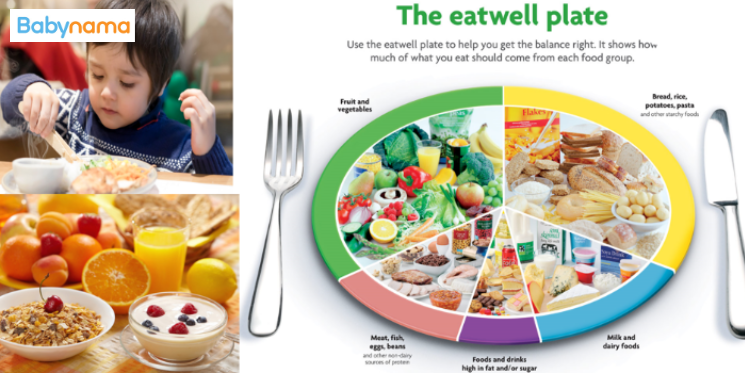
2. Diet Changes (Khaan-paan mein badlav)
- Include: Protein-rich breakfast (eggs, paneer, dal paratha, chana)
- Include: Omega-3 foods (walnuts, flaxseeds, fish if non-vegetarian)
- Include: Fresh fruits and sabziyan
- Limit: Processed foods, artificial colors (in chips, colored drinks)
- Limit: Maida products, excessive sugar
3. Physical Activity (Exercise)
- 30-60 minutes of active play daily
- Swimming, cycling, running help release energy
- Yoga and pranayama can help with focus
4. Sleep Hygiene (Neend ki aadat)
- No screens 1 hour before bedtime
- Calm bedtime routine - warm bath, light massage
- Dark, cool room for sleeping
5. Positive Parenting
- Praise good behavior immediately and specifically
- Give clear, short instructions
- Use timers for tasks
- Avoid yelling - stay calm (easy nahi hai, but important hai)
Medical Treatment (When Needed):
- Behavior therapy - Works on developing coping skills
- Parent training - Learn effective strategies
- Medication - Only if prescribed by specialist; helps brain focus better
- School support - Extra time for tests, seating in front
Frequently Asked Questions
Q: Mera bachcha bahut active hai. Kya yeh ADHD hai?
A: Active hona normal hai, especially in young children. ADHD is different - the hyperactivity is so severe that it causes problems everywhere - school, home, with friends. If your child can sit for a favorite cartoon or game, but not for studies, that’s likely not ADHD. But if they literally cannot sit still for anything, consult a pediatrician.
Q: ADHD ki dawai safe hai bacchon ke liye?
A: ADHD medications are well-researched and, when prescribed and monitored by a specialist, are generally well-tolerated in children. They are not “sleeping pills” or sedatives. They help the brain focus better. Like all medicines they can have side effects (for example, reduced appetite or trouble sleeping), which the doctor watches for and manages. Always consult a pediatric neurologist or psychiatrist before starting any medication, and never start or stop it on your own.
Q: Sugar khane se ADHD badh jata hai kya?
A: This is a myth. Scientific research has not found any link between sugar and ADHD. However, a healthy diet overall is good for brain function. Processed foods with artificial colors MAY worsen symptoms in some children, so limiting these is a good idea.
Q: ADHD cure ho sakta hai kya?
A: ADHD is not a disease that gets “cured.” It is a different way the brain works. With proper support, therapy, and sometimes medication, children with ADHD can be very successful. Many successful people have ADHD! The goal is to manage symptoms and help your child reach their potential.
Q: Bacche ki neend kharab hai, raat ko jagta hai - kya ADHD se related hai?
A: Sleep problems are common in children with ADHD. Their brain has trouble “switching off.” But poor sleep can also make any child seem hyperactive and unfocused. Good sleep hygiene helps both situations. If sleep issues are severe, mention this to your pediatrician.
Q: School mein teacher bol rahi hai ADHD hai - seedha test karwayein?
A: Teacher’s observation is valuable, but ADHD diagnosis requires proper evaluation by a specialist. The doctor will use standardized questionnaires, take detailed history, and rule out other causes (vision problems, hearing issues, anxiety, learning disabilities). Don’t rush to label your child - get proper assessment.
This article was reviewed by a pediatrician. Last updated: January 2025
Need personalized guidance? Chat with Babynama’s pediatricians on WhatsApp for expert advice on your child’s development and behavior concerns.
Need personalized guidance? Book a consultation with our pediatricians or explore our Care Plans for 24/7 expert support!
General information for Indian parents, not a substitute for your pediatrician. In an emergency, call 112 or 108.