Last updated: January 2026
Quick Answer
Yes, spitting up (ulti/regurgitation) is very common and usually harmless — around half of healthy infants under 3 months do it, peaking near 4 months (AFP 2015 GERD review; NASPGHAN-ESPGHAN 2018). In most cases, your baby is a “happy spitter” who brings up milk but continues to feed well, gain weight, and is otherwise healthy. Roughly 90% of babies outgrow physiologic reflux by 12 months and about 99% by 18 months as the digestive system matures.
When to worry: spitting up that is usually harmless can occasionally signal something serious. See a doctor if your baby has green (bilious) vomit, blood in vomit or stool, projectile/forceful vomiting, poor weight gain, refuses feeds, or trouble breathing. Details in the warning-signs section below.
Understanding Reflux in Babies
What is Regurgitation (Reflux)?
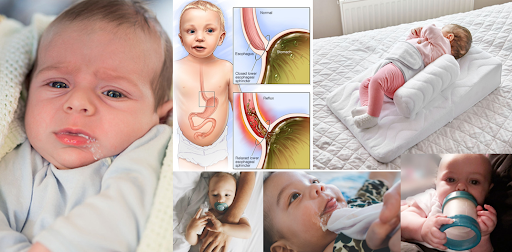
Reflux happens when milk from the stomach flows back up into the esophagus (food pipe) and sometimes out of the mouth. It occurs because the valve between the stomach and esophagus isn’t fully developed yet.
Simple analogy: Think of your baby’s stomach like a bottle without a proper cap - when full or squeezed, contents can easily come back up.
Normal vs. Concerning Reflux
Normal (Simple Reflux):
-
Baby spits up but is content
-
Good weight gain
-
Feeds well
-
No breathing problems
-
Happy between feeds
-
Wet and dirty diapers normal Concerning (May be GERD):
-
Poor weight gain
-
Refuses to feed
-
Cries during/after feeds
-
Arches back in pain
-
Breathing difficulties
-
Blood in spit-up
What Causes Reflux?
Main Causes
1. Immature Digestive System
-
The valve (lower esophageal sphincter) is still developing
-
Most common cause
-
Naturally improves with age 2. Overfeeding
-
Baby’s stomach is small (newborn stomach = walnut size!)
-
Too much milk at once comes back up 3. Swallowing Air
-
Poor latch during breastfeeding
-
Fast flow bottle nipple
-
Air causes pressure, pushing milk up 4. Lying Flat
-
Gravity doesn’t help keep milk down
-
Common after feeds 5. Other Factors
-
Premature birth (more common)
-
Formula sensitivity (some babies)
-
Cow’s milk protein allergy (an important and sometimes missed cause — discuss with your doctor)
Symptoms to Watch For
Normal Reflux Symptoms
- Spitting up during or after feeds
- Occasional hiccups
- Mild fussiness after feeds
- Wet burps
Warning Signs (May Need Medical Attention)
- Projectile vomiting (shoots out forcefully)
- Green (bilious) vomit — a medical emergency, go to the ER immediately (possible bowel obstruction)
- Yellow vomit, blood in vomit or stool, or repeated forceful/projectile vomiting (needs urgent assessment)
- Poor weight gain or weight loss
- Refusing feeds repeatedly
- Choking or breathing problems
- Excessive crying during feeds
- Arching back in pain
- Fever with vomiting
Age-Wise What to Expect
0-3 Months:
-
Reflux most common during this time
-
May spit up with most feeds
-
Usually increases before getting better 4-6 Months:
-
Often starts improving
-
Sitting up helps
-
Introduction of solids may help some babies 6-12 Months:
-
Significant improvement for most
-
Walking and being upright helps
-
Solid foods help keep things down Beyond 12 Months:
-
Reflux usually resolves
-
If continuing, consult pediatrician
Home Remedies for Managing Reflux
Feeding Adjustments
For Breastfed Babies:
-
Feed in upright position
-
Ensure good latch (prevents air swallowing)
-
Feed more frequently, smaller amounts
-
If you have fast letdown, express before latching
-
Feed from one breast per session (if milk flow is heavy) For Bottle-Fed Babies:
-
Use slow-flow nipple
-
Keep bottle tilted so nipple is always full
-
Pace the feeding (take breaks)
-
Don’t force baby to finish
-
Check formula preparation (not too dilute/concentrated)
Position Changes
During Feeding:
-
Keep baby at 45-60 degree angle
-
Never feed lying flat
-
Support baby’s head and neck After Feeding:
-
Hold upright for 20-30 minutes
-
Burp gently after every 2-3 minutes of feeding
-
Avoid bouncing or active play right after feeds
-
Don’t put in car seat immediately (curves the tummy) For Sleep:
-
Place baby on back (always - even with reflux), on a firm, flat surface
-
Do NOT elevate or tilt the crib/mattress, and do not use wedges or positioners — these are ineffective for reflux and increase the risk of unsafe sleep (the baby can slide or roll into a position that compromises breathing)
-
The single most effective positioning measure is holding baby upright for 20-30 minutes after feeds, while baby still sleeps flat on the back (AAP Safe Sleep; NASPGHAN-ESPGHAN 2018)
-
Don’t use pillows or wedges (suffocation risk)
Other Helpful Tips
- Loose clothing: Avoid tight diapers or waistbands
- Smaller, frequent feeds: Less volume = less spit-up
- Burp often: Every few minutes during feed
- Keep baby calm: Crying causes air swallowing
- Avoid pressure on tummy: After feeds, don’t press on belly
- Skip gripe water, ghutti and home remedies for reflux: these are widely used in Indian/jaapa settings but have no proven benefit for reflux and are not recommended — nothing other than breast milk or formula should be given before 6 months. Discuss any remedy with your pediatrician first.
When to See a Doctor
Seek Immediate Care If:
- Baby is choking or turning blue
- Projectile vomiting
- Vomit is green, yellow, or has blood
- Baby appears in severe pain
- Signs of dehydration (dry mouth, few wet diapers, sunken fontanelle)
- Fever with vomiting
- Baby is lethargic or unresponsive
Schedule Appointment If:
- Poor weight gain
- Baby refuses most feeds
- Excessive crying during feeding
- Symptoms getting worse, not better
- Reflux continues beyond 12-18 months
- You’re concerned about baby’s feeding
Treatment Options
For Most Babies (Simple Reflux)
No medication needed! Lifestyle changes are usually enough:
- Positioning changes
- Smaller, frequent feeds
- Keep upright after feeds
- Time - it gets better with age
When Doctor May Prescribe Treatment
1. Thickened Feeds
-
Thickening feeds is only done if your pediatrician advises it — never on your own
-
A commercial anti-reflux (AR) formula or a prescribed thickener is preferred over adding rice cereal to the bottle
-
Rice in the bottle can be a choking risk, does not work in expressed breast milk (breast-milk amylase breaks it down), and rice carries inorganic-arsenic concerns — so it is not the preferred route
-
Only if recommended by pediatrician (AAP; NASPGHAN-ESPGHAN 2018) 2. Medication (For Severe Cases)
-
Antacids to reduce acid (rare in babies)
-
Proton pump inhibitors (PPIs) - only for diagnosed GERD
-
Not given routinely for normal reflux
-
Acid-suppressing medicines (antacids/PPIs) should not be used as a “trial” for a fussy but thriving happy spitter — current guidance discourages empiric acid suppression in uncomplicated regurgitation (NASPGHAN-ESPGHAN 2018) 3. Formula Changes
-
Hydrolyzed formula if cow’s milk protein allergy suspected
-
Specialized anti-reflux formula
What About Elimination Diets for Breastfeeding Mothers?
If cow’s milk protein allergy is suspected:
- Mother may try eliminating dairy for 2-4 weeks
- Only under doctor’s guidance
- Not needed for simple reflux
Prevention
You can’t completely prevent reflux (it’s developmental), but you can reduce it:
- Feed smaller amounts more often
- Burp frequently during feeds
- Keep baby upright during and after feeding
- Ensure good latch or appropriate nipple flow
- Avoid overfeeding
- Keep baby’s environment calm during feeds
- Time feeds before, not after, car travel
Frequently Asked Questions
Q: Mera baby har baar doodh ulti kar deta hai - kya ye normal hai?
A: Some spit-up with most feeds is normal in babies under 6 months. As long as baby is gaining weight well, feeding normally, and seems comfortable, it’s usually just “happy spitting.” It looks like a lot because it spreads, but usually it’s only 1-2 teaspoons. If baby is in pain, refusing feeds, or losing weight, consult your doctor.
Q: Kya reflux ki wajah se doodh kam ho jayega?
A: No, your milk supply is not affected by baby’s reflux. Continue breastfeeding on demand. If you’re concerned about overfeeding, try offering one breast per feed. Breast milk is actually easier to digest than formula and may cause less reflux.
Q: Baby ki ulti green ya yellow hai - kya karun?
A: Green (bilious) vomit is a medical emergency — go to the ER right away, as it can mean a bowel obstruction. Yellow vomit, blood in the vomit, or repeated forceful/projectile vomiting also needs urgent medical assessment. When in doubt, get baby seen.
Q: Spit-up aur vomit mein kya difference hai?
A: Spit-up: Milk flows out gently, often during or right after feeds, baby is comfortable. Vomit: Forceful, may happen anytime, baby may seem uncomfortable. Occasional vomiting can be normal, but frequent forceful vomiting needs medical evaluation.
Q: Reflux kab tak rahega?
A: Most babies improve significantly by 6-7 months when they start sitting up and eating solids. By 12-18 months, reflux usually resolves completely. If it continues beyond this, or if baby has GERD symptoms, longer management may be needed.
This article was reviewed by a pediatrician. Most reflux is usually harmless and temporary, but trust your instincts - if something seems wrong, consult your doctor.
This article is general information for Indian parents, not a substitute for examination by your pediatrician. In an emergency, call 112 or 108.
Need personalized guidance? Book a consultation with our pediatricians or explore our Care Plans for 24/7 expert support!
Related Tools