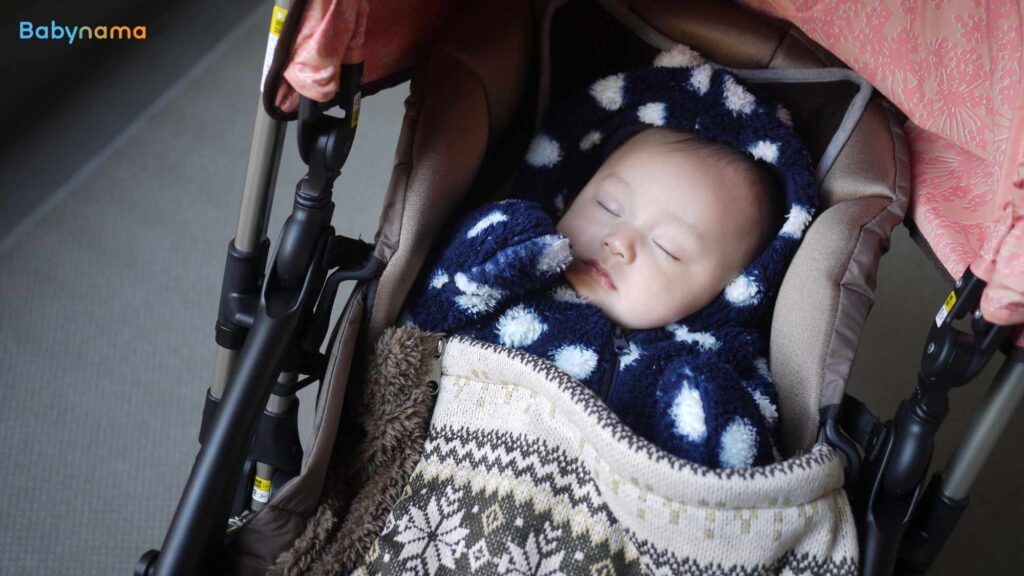
Quick Answer: Winter care for babies means layering clothes (not heavy jackets), keeping skin moisturized, maintaining room temperature around 20-22°C, and protecting against colds. Don’t over-bundle - babies overheat easily! Signs of being too cold: cold hands/feet, fussiness. Signs of overheating: sweating, red face. Feed frequently and keep baby hydrated for a healthy winter!
Why Winter Care Is Important
Babies are more vulnerable in winter because:
- They lose body heat faster than adults
- Their immune systems are still developing
- Dry winter air affects their delicate skin
- They can’t tell you when they’re uncomfortable
Good news: With proper care, your baby can stay healthy and comfortable all winter long!
Dressing Your Baby for Winter
The Layering Rule
Instead of one heavy jacket, dress baby in layers:
| Layer | Purpose | Example |
|---|---|---|
| Base layer | Absorbs sweat | Cotton vest/onesie |
| Middle layer | Insulation | Light sweater/cardigan |
| Outer layer | Protection | Jacket or snowsuit (outdoors) |
How Many Layers?
A simple rule: Baby needs one more layer than you do.
| Temperature | Indoor Layers | Outdoor Layers |
|---|---|---|
| 20-25°C | 1-2 layers | 2 layers |
| 15-20°C | 2 layers | 2-3 layers |
| 10-15°C | 2-3 layers | 3-4 layers |
| Below 10°C | 3 layers | 4+ layers |
Don’t Forget These
- Head: Warm cap (babies lose heat from head)
- Hands: Mittens
- Feet: Warm socks or booties
- Ears: Cap should cover ears
Signs of Overheating vs Being Cold
| Too Hot | Too Cold |
|---|---|
| Sweating | Cold hands/feet |
| Red, flushed face | Pale or bluish skin |
| Damp hair | Shivering (older babies) |
| Fussy, crying | Lethargy |
| Rapid breathing | Less active |
Check baby’s temperature: Feel the back of neck or tummy - should be warm, not hot or cold.
Keeping Skin Moisturized
Winter air is dry and can damage baby’s delicate skin.

Moisturizing Tips
| Tip | How to Do It |
|---|---|
| Moisturize after bath | Apply within 3 minutes while skin is damp |
| Use thick creams | Lotions evaporate faster |
| Pay attention to folds | Neck, behind ears, elbows, knees |
| Protect face and lips | Apply balm before going out |
| Use humidifier | Keeps room air from drying out |
Recommended Products
- Fragrance-free creams
- Petroleum jelly (Vaseline) for very dry patches
- Coconut oil (natural option)
- Lip balm for chapped lips (ghee is a widely used traditional remedy but has no proven benefit; discuss with your pediatrician)
Bath Tips for Winter
- Reduce bath frequency - 2-3 times/week is enough
- Use lukewarm water - Not hot
- Short baths - 5-10 minutes max
- Avoid soap on dry areas - Just water on patches
Indoor Environment
Ideal Room Temperature
| Setting | Temperature |
|---|---|
| Room temperature | 20-22°C (68-72°F) |
| Bath water | 37-38°C (98-100°F) |
Heating Safety
- No direct heater exposure - Keep heaters at safe distance
- Avoid blower directly on baby - Dries skin and airways
- Humidifier helps - Combat dry air from heating
- Ventilate room - Fresh air daily (when it’s not too cold)
Sleeping in Winter
| Do | Don’t |
|---|---|
| Use sleep sack or wearable blanket | Use loose blankets |
| Dress in footed sleepwear | Overdress (risk of SIDS) |
| Keep crib away from windows | Put baby near drafts |
| Room temperature 20-22°C | Overheat the room |
Protecting Against Colds and Flu
Prevention Tips
| Strategy | How It Helps |
|---|---|
| Limit visitors | Less exposure to germs |
| Hand hygiene | Everyone washes hands before touching baby |
| Keep siblings healthy | Sick children away from baby |
| Breastfeeding | Passes antibodies to baby |
| Vaccinations | Flu shot for household members |
| Avoid crowded places | Less germ exposure |
If Baby Gets a Cold
Home care for mild colds:
-
Nasal saline drops + suction
-
Humidifier in room
-
Keep head slightly elevated (under mattress, not pillow)
-
Feed frequently (smaller, more frequent feeds)
-
Lots of cuddles! See a doctor if:
-
🚨 Baby under 3 months with ANY fever (100.4°F / 38°C or higher) — this is a same-day emergency. Do not medicate and wait at home; see a pediatrician or go to the nearest hospital immediately.
-
Fever over 102°F (39°C)
-
Difficulty breathing
-
Refusing to feed
-
Lethargy or unusual sleepiness
-
Symptoms lasting more than 5-7 days
Feeding and Hydration
Breastfed Babies
- Continue on demand
- May want to feed more frequently (comfort and hydration)
- Your antibodies help fight infections!
Formula-Fed Babies
- Ensure formula is at proper temperature (not too cold)
- Don’t reduce feeds - they need the fluids
- Slightly warm bottle is comforting in winter
Babies on Solids
- Offer warm foods (daliya, khichdi)
- Soups and warm beverages (appropriate for age)
- Continue breastmilk/formula as main hydration source
Going Out in Winter
When It’s Okay to Go Out
- Mild winter days with sunshine
- Short trips (doctor visits, essential errands)
- Well-protected with proper clothing
When to Stay In
- Very cold or windy days
- Fog or smog (poor air quality)
- Baby is unwell
Outdoor Essentials
| Item | Why |
|---|---|
| Warm cap | Babies lose a lot of heat through the head |
| Mittens | Protect tiny fingers |
| Warm socks/booties | Feet get cold fast |
| Blanket for carrier/stroller | Extra warmth |
| Protective cover | Shield from wind |
Common Winter Problems
Dry Skin and Eczema Flares
Prevention:
-
Moisturize frequently
-
Short, lukewarm baths
-
Use gentle, fragrance-free products
-
Humidifier in room Treatment:
-
Apply thick moisturizer multiple times daily
-
See doctor for prescription cream if severe
Chapped Lips and Cheeks
Prevention:
-
Apply petroleum jelly or lip balm before going out
-
Protect face with soft scarf Treatment:
-
Apply petroleum jelly (ghee is a widely used traditional remedy but has no proven benefit; discuss with your pediatrician)
-
Don’t let baby lick lips
Cold and Congestion
See the “Protecting Against Colds” section above.
Frequently Asked Questions
Q: My baby’s hands and feet are always cold. Is this normal?
A: Yes! Babies have poor circulation to extremities. Check baby’s chest or back of neck - if warm, baby is fine. Use mittens and socks for comfort.
Q: Can I take my newborn out in winter?
A: It’s best to limit outings for newborns (under 6 weeks), especially in harsh weather. Short trips when well-protected are okay for older babies.
Q: Should I give my baby extra water in winter?
A: Babies under 6 months don’t need extra water - breastmilk/formula is enough. Older babies on solids can have small amounts of water.
Q: Is it safe to use a room heater at night?
A: Yes, but keep it at safe distance, don’t direct air at baby, and maintain room temperature around 20-22°C. An oil heater is safer than a blower.
Q: How do I know if my baby is too warm while sleeping?
A: Check baby’s chest or back of neck. If sweaty or very warm, remove a layer. Signs of overheating include flushed skin and rapid breathing.
Key Takeaways
- Layer clothing - Multiple thin layers beat one thick jacket
- Don’t overheat - Babies overheat easily; check often
- Moisturize daily - Protect delicate skin from drying
- Room at 20-22°C - Not too hot, not too cold
- Humidifier helps - Fights dry winter air
- Hygiene prevents colds - Everyone washes hands before touching baby
- Feed frequently - Warmth and hydration go together
This article was reviewed by pediatricians at Babynama. Last updated: January 2026
Need personalized guidance? Book a consultation with our pediatricians or explore our Care Plans for 24/7 expert support!
Related Tools
General information for Indian parents, not a substitute for your pediatrician. In an emergency, call 112 or 108.