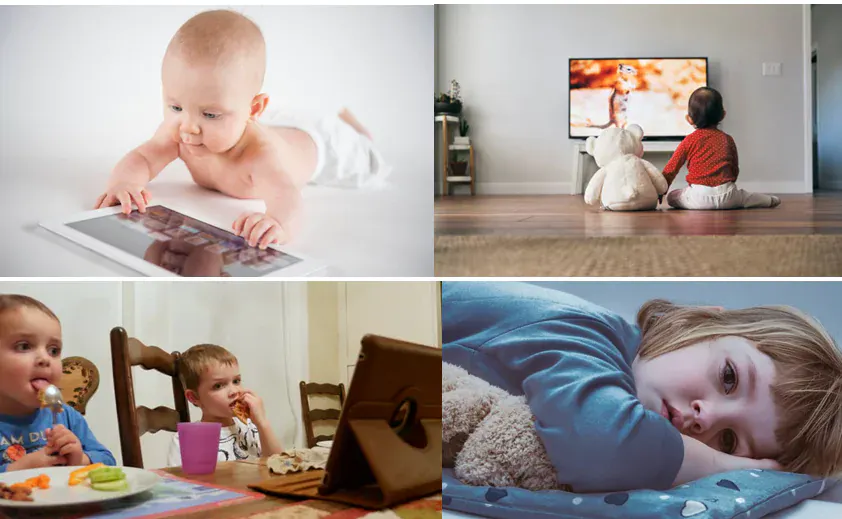
Quick Answer
YES, excessive screen time CAN harm your toddler’s development - but you’re not a bad parent for occasionally using screens! The key is understanding safe limits and making intentional choices. Research shows that too much TV/phone time before age 2 can affect language, sleep (neend), and social development. This guide helps you find the right balance for your family without guilt.

Why Screen Time Matters for Toddlers
The Developing Brain
First 2 years of life:
- Brain grows to 80% of adult size
- Critical period for language development
- Learning through interaction, not passive watching
- Building attention and focus skills
- Developing social-emotional connections Screens can interfere with all of these!
What Research Shows
| Impact Area | Effect of Excessive Screen Time |
|---|---|
| Language development | Delayed speech, fewer words learned |
| Sleep (neend) | Harder to fall asleep, poor quality sleep |
| Attention | Shorter attention span, difficulty focusing |
| Social skills | Less eye contact, reduced interaction |
| Physical development | Less active play, delayed motor skills |
| Emotional regulation | More tantrums, difficulty calming down |
Recommended Screen Time Limits
By Age
| Age | Recommendation |
|---|---|
| 0-18 months | NO screen time (except video calls with family) |
| 18-24 months | Very limited, high-quality programming, WITH parent |
| 2-5 years | Maximum 1 hour/day of quality content |
| 5+ years | Consistent limits, prioritize other activities |
Indian Academy of Pediatrics (IAP) and American Academy of Pediatrics (AAP) both recommend these limits!
What “Quality Content” Means
Good content:
-
Educational programs (Sesame Street, ChuChu TV educational songs)
-
Slow-paced, simple storylines
-
Interactive elements
-
Age-appropriate vocabulary
-
Non-violent Avoid:
-
Fast-paced cartoons
-
Violent content (even cartoon violence)
-
Unboxing videos
-
Random YouTube autoplay
-
Advertisements/in-app purchases
How Screens Affect Sleep (Neend Par Asar)
The Sleep Connection
Why screens disrupt sleep:
- Blue light suppresses melatonin (sleep hormone)
- Stimulating content makes brain alert
- Harder to wind down
- Reduces total sleep time
- Affects sleep quality
Screen Time and Sleep Problems
| Screen Habit | Sleep Impact |
|---|---|
| Screen within 1 hour of bedtime | Delayed sleep onset |
| TV in bedroom | Less sleep, more nighttime waking |
| Violent/scary content | Nightmares, fear at bedtime |
| Excessive daytime screens | Overtired but can’t settle |
Rule: No screens at least 1 hour before bedtime!
Signs of Too Much Screen Time
Watch For:
Behavior signs:
-
Tantrums when screen is turned off
-
Constantly asks for phone/TV
-
Less interest in toys, books, play
-
Reduced interaction with family
-
Difficulty playing independently Development signs:
-
Speech delay
-
Doesn’t respond to name
-
Reduced eye contact
-
Short attention span
-
Behind on milestones Physical signs:
-
Poor sleep (raat ko nahi sota)
-
Obesity/weight gain
-
Headaches
-
Eye strain
-
Reduced physical activity
When to Worry (Red Flags)
Consult Pediatrician If:
- Speech delay alongside heavy screen use
- Child prefers screens over human interaction
- Extreme meltdowns when screen is removed
- No interest in any non-screen activity
- Sleep severely disrupted (neend bilkul kharab)
- Missing developmental milestones
- Screen use interfering with meals, family time
What You Can Do (Ghar Pe Kya Karein)
Setting Limits
Practical strategies:
- No screens before age 2 (except family video calls)
- Create screen-free zones (bedroom, dining table)
- Set specific screen times (not all-day access)
- Use parental controls (lock apps, set time limits)
- Watch together - make it interactive
Reducing Screen Time
Step-by-step approach:
| Current Screen Time | Goal | How to Get There |
|---|---|---|
| 3+ hours/day | 2 hours | Reduce by 30 min each week |
| 2 hours/day | 1 hour | Replace with activities |
| During all meals | No meal screens | Start with one meal at a time |
| Constant background TV | TV off unless watching | Specific “TV time” only |
Screen-Free Alternatives
For toddlers:
-
Building blocks, stacking
-
Play-dough (atta dough works too!)
-
Water play (safe supervision)
-
Outdoor play
-
Reading books together
-
Dancing to music
-
Kitchen play (safe items)
-
Drawing/scribbling When you need a break:
-
Audio songs/rhymes (no screen)
-
Safe play area with toys
-
Involve in household tasks
-
Sensory play (rice, dal in container)
Making Screen Time Healthier
If using screens:
- Watch together and talk about it
- Choose age-appropriate, slow content
- No screens during meals
- No screens before bed
- Set timer so child knows when it ends
- Have other activities ready for after
Dealing with Screen Tantrums
Why Children React
- Screens trigger dopamine (reward centers)
- Hard to self-regulate when young
- Transition is difficult for toddlers
- They don’t understand “later”
Managing Tantrums
| Strategy | How to Do It |
|---|---|
| Warnings | ”5 more minutes, then TV off” |
| Timer | Visual/audio timer child can see |
| Transition activity | Have something exciting ready after |
| Consistency | Same limits every day |
| Stay calm | Don’t give in to tantrum |
| Acknowledge feelings | ”I know you wanted more. Screen time is done for today.” |
Common Myths vs Facts
| Myth | Fact |
|---|---|
| ”Educational apps make babies smarter” | NO - babies learn best from human interaction |
| ”Background TV doesn’t affect them” | YES it does - reduces parent-child interaction |
| ”They need screens to learn English” | NO - talking to child works better |
| ”Other kids watch, mine will fall behind” | Learning through play is better for development |
| ”It’s the only way to feed them” | Short-term convenience, long-term problem |
Tips for Indian Families
Common Challenges
Joint family situations:
-
Discuss limits with grandparents
-
Explain why limits matter
-
Offer alternatives for them to engage with child
-
Be consistent even when difficult Working parents:
-
Plan screen-free activities in advance
-
Quality over quantity of time together
-
Involve helper/family in non-screen activities
-
Don’t feel guilty - make choices intentionally During meals:
-
Start early with no screens at mealtime
-
Make mealtimes family time
-
Distraction-free eating builds healthy habits
-
Offer variety in food, not screens
Frequently Asked Questions
Q: Bachcha phone ke bina khana nahi khata. Kya karun?
A: This is a common habit but can be changed! Start slowly: one meal without screen first. Make mealtimes fun (different plates, finger foods, involve child). Accept that initially child may eat less - that’s okay, they’ll make up. Be consistent - it takes 1-2 weeks to break the habit. Hunger is the best motivation to eat. Don’t worry about one or two difficult days.
Q: Kitni umer mein phone dikha sakte hain?
A: Ideally, no screen time before 18-24 months (except video calls with grandparents/family). Between 2-5 years: maximum 1 hour daily of quality content. The later you introduce screens, the better! When you do start, watch together and make it interactive, not passive watching. Quality matters more than quantity.
Q: Screen time se speech delay hota hai?
A: YES, research shows a connection! Babies learn language from back-and-forth interaction with humans, not from screens. Studies link higher screen use before age 2 with fewer words learned and a greater chance of speech delay. If your child has speech delay, reducing screen time and increasing talking/reading helps significantly. Talk TO your child, not just around them.
Q: Working hoon, screen use karna padta hai. Kya karun?
A: Don’t feel guilty - you’re doing your best! Some suggestions: use screens strategically (not all day), choose quality content, watch together when possible, maximize non-screen time when you’re free, involve other caregivers in play activities. Even small reductions help. Set specific screen times rather than constant access. Quality of your interaction matters more than quantity.
Q: Screen time se bachche ki neend kharab hoti hai?
A: YES! Blue light from screens suppresses melatonin (sleep hormone). Stimulating content activates brain making it hard to wind down. Rule: NO screens 1 hour before bedtime. If child watches TV close to bedtime and has sleep issues (sone mein problem), try removing evening screens for a week and see the difference. Many parents report significant sleep improvement!
This article was reviewed by a pediatrician. Last updated: February 2026.
Concerned about your child’s screen time or development? Babynama’s pediatricians can help assess and guide you. Chat with us on WhatsApp!
Need personalized guidance? Book a consultation with our pediatricians or explore our Care Plans for 24/7 expert support!
Related Tools
This article is for general information for Indian parents and is based on Indian Academy of Pediatrics (IAP) and AAP guidance. It is not a substitute for professional medical advice. Always consult your pediatrician for guidance specific to your child. In an emergency, call 112 (national emergency) or 108 (ambulance), or go to your nearest hospital.