
Last updated: January 2026
Quick Answer
Does my child have a UTI? If your child has painful urination, fever without other symptoms, frequent potty needs, or foul-smelling urine, a UTI is possible and requires doctor’s evaluation.
Urinary Tract Infections are among the most common bacterial infections in children, especially girls. While UTIs are usually easily treatable with antibiotics, they shouldn’t be ignored - untreated UTIs can spread to the kidneys and cause serious problems. The tricky part is that young children can’t always explain their symptoms, so knowing the signs to watch for is important.
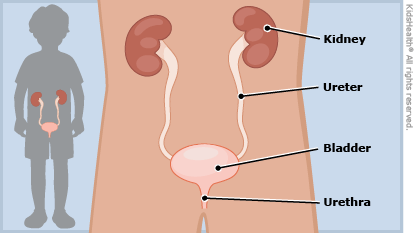
What is UTI in Children?
UTI is an infection in any part of the urinary system:
- Bladder infection (Cystitis) - Most common, lower UTI
- Kidney infection (Pyelonephritis) - More serious, upper UTI
Who Gets UTI?
- Girls more than boys (after infancy)
- Uncircumcised boys in first year
- Children with constipation (kabz)
- Children who hold urine too long
- Children with urinary tract abnormalities
Symptoms by Age
Infants (0-12 months):
- Fever without other obvious cause
- Irritability, crying
- Poor feeding
- Vomiting
- Foul-smelling urine
- Not gaining weight
Toddlers (1-3 years):
- Fever
- Pet dard (tummy pain)
- Crying during urination
- More frequent potty
- Accidents in potty-trained child
- Foul-smelling or cloudy urine
Older Children:
- Pain or burning during urination (susu karte waqt dard)
- Frequent urge to urinate
- Pain in lower belly or back
- Fever (especially with kidney infection)
- Cloudy, bloody, or smelly urine
- Bedwetting in previously dry child
Signs of Kidney Infection (More Serious):
- High fever with chills
- Back or side pain
- Vomiting
- Very sick appearance
- Requires urgent treatment
What Causes UTI in Children?
Main Cause:
- Bacteria (usually E. coli from gut) entering urinary tract
- Bacteria travel up from outside to bladder
Risk Factors:
- Not drinking enough water
- Holding urine too long (not going potty when needed)
- Kabz (constipation) - very common cause!
- Improper wiping (back to front in girls)
- Bubble baths and harsh soaps
- Tight synthetic underwear
- Urinary tract abnormalities
Home Care and Prevention
Prevention is Key:
- Adequate Water Intake:
- Encourage water throughout day
- Clear or light yellow urine = good hydration
- Regular Potty Breaks:
- Don’t let child hold urine
- Regular bathroom schedule
- Completely empty bladder each time
- Treat Constipation (Kabz):
- Full bowel presses on bladder
- Ensure fiber-rich diet
- Adequate fluids
- Proper Hygiene (for girls):
- Wipe front to back
- Avoid bubble baths
- Cotton underwear
- Avoid tight pants
- For Uncircumcised Boys:
- Proper cleaning during bath
- Gentle retraction if possible
During UTI:
- Increase fluid intake
- Encourage frequent urination
- Warm compress for pet dard
- Complete full course of antibiotics
When to See a Doctor
Seek IMMEDIATE care if:
-
High fever (over 38.5°C) with urinary symptoms
-
Back or flank pain with fever
-
Vomiting and can’t keep fluids down
-
Blood in urine
-
Child looks very ill
-
Any infant under 3 months with a fever of 100.4°F (38°C) or higher — this is a same-day emergency, see a doctor immediately Consult pediatrician if:
-
Pain or burning with urination
-
Frequent urination accidents
-
Foul-smelling urine
-
Unexplained fever in young child
-
Bedwetting in previously dry child
-
Recurring UTIs
Treatment
What doctor will do:
-
Urine test to confirm UTI
-
Antibiotics (oral or IV depending on severity)
-
Pain relief if needed
-
Follow-up urine test to confirm clearance Important:
-
Complete FULL antibiotic course
-
Even if child feels better, continue medicine
-
Incomplete treatment leads to recurrence
-
Recurrent UTIs may need further investigation Further Tests (if recurrent):
-
Ultrasound of kidneys
-
VCUG (special X-ray) to check for reflux
-
Blood tests
What’s Normal vs Concerning
| Normal | Concerning |
|---|---|
| Occasional darker urine (dehydration) | Persistent foul-smelling urine |
| Urinating 6-8 times daily | Constantly running to bathroom |
| Clear to light yellow urine | Cloudy, bloody, or dark urine |
| No pain during urination | Crying or pain with potty |
FAQs
Q: Can UTI affect my child’s potty/digestion?
A: UTI itself doesn’t affect digestion, but kabz (constipation) is a major risk factor for UTI. A full bowel presses on the bladder and prevents complete emptying. Treating constipation helps prevent UTIs.
Q: My child’s urine smells strong - is it UTI?
A: Strong-smelling urine can be due to dehydration (concentrated urine), certain foods, or UTI. If your child has other symptoms like fever, pain, or frequent urination, see your doctor. If just smell with no other symptoms, try increasing water intake first.
Q: Can boys get UTI?
A: Yes! In the first year, UTIs are more common in boys (especially uncircumcised). After that, girls are more prone due to shorter urethra. Always consider UTI in a child with unexplained fever.
Q: How can I prevent recurring UTIs?
A: Key prevention: adequate fluids, regular potty breaks, treat constipation, proper wiping (front to back for girls), cotton underwear, avoid holding urine. If UTIs keep recurring, see a pediatric urologist.
Q: Is cranberry juice helpful?
A: There’s some evidence cranberry may help prevent UTIs by preventing bacteria from sticking to bladder wall. However, it’s not a treatment for active UTI. Don’t rely on it instead of medical care.
This article was reviewed by a pediatrician. It is for general information for parents in India and does not replace an in-person consultation. Vaccine and dosing guidance follows IAP (Indian Academy of Pediatrics) recommendations. For personalized advice about UTI in your child, consult with Babynama’s pediatric experts on WhatsApp. In an emergency, call 112 (national emergency) or 108 (ambulance), or go to your nearest hospital.
Need personalized guidance? Book a consultation with our pediatricians or explore our Care Plans for 24/7 expert support!