Quick Answer
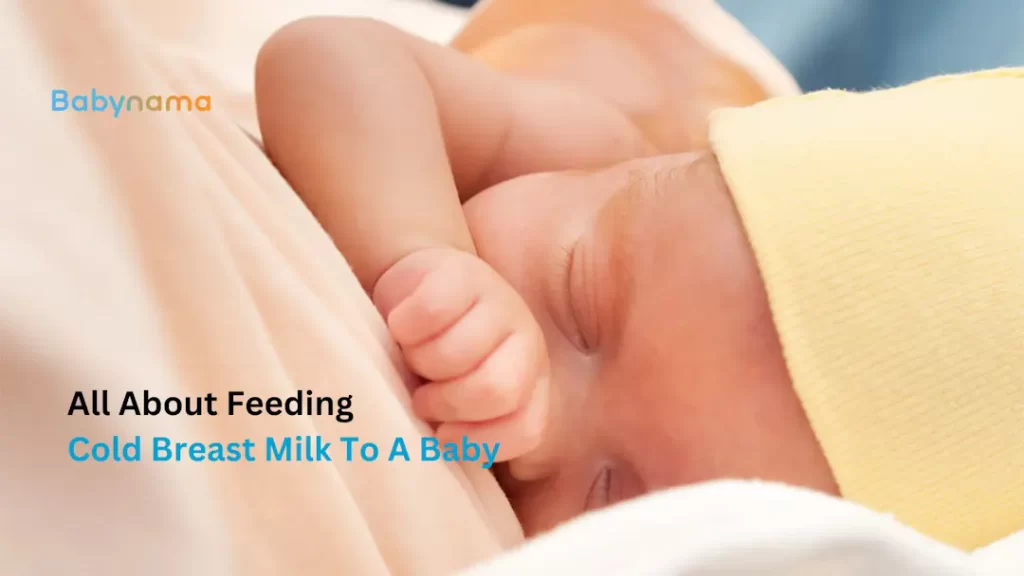
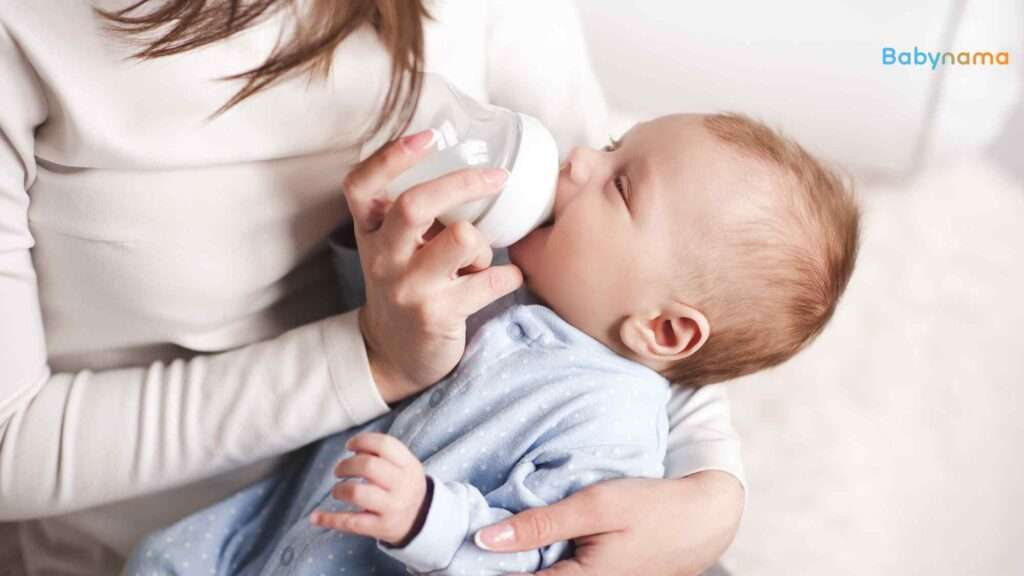
For healthy, full-term babies, it is safe to feed cold or room-temperature breast milk. Whether it’s from the refrigerator or at room temperature, properly stored breast milk is safe and nutritious. Many babies accept cold milk happily, especially during teething when the coolness can soothe sore gums. However, some babies prefer warm milk - it’s fine to gently warm it if your baby is fussy with cold milk. The same principles apply to prepared formula (NAN, Lactogen, Similac, Aptamil).
Is Cold Breast Milk Safe for Babies?
Short answer: Yes!
According to the Centers for Disease Control (CDC) and pediatric guidelines, breast milk can be fed:
-
Cold (straight from refrigerator)
-
At room temperature
-
Warmed up There is no scientific evidence that cold milk causes:
-
Stomach problems
-
Gas or colic
-
Cold or cough
-
Any digestive issues The only caution: Never serve HOT milk - this can burn baby’s mouth.
Advantages of Cold Breast Milk
1. Saves Time and Energy
- No waiting for milk to warm up
- Perfect for hungry, crying babies
- Easier during night feeds
2. Convenient While Traveling
- No need to find warm water
- No special equipment needed
- Ideal for outings, visits, and trips
3. No Risk of Overheating
- Gentle warming to body temperature does not harm breast milk
- Only overheating (boiling or microwaving) can damage antibodies and enzymes — so avoid those methods
- Cold milk straight from the fridge avoids any chance of overheating
4. Soothes Teething Pain
- Cool temperature provides relief for sore gums
- Many teething babies prefer cold milk
- Natural comfort without medicines
5. No Risk of Burns
- Cannot accidentally serve too hot
- Safer for caregivers who may misjudge temperature
When Cold Milk May Not Be Ideal
For Premature Babies
- Preemies have difficulty regulating body temperature
- Cold milk may lower their body temperature
- For premature or low-birth-weight babies, follow your NICU team’s specific feeding instructions, including milk temperature — they may advise warming
- Always consult your NICU doctor for specific guidance
For Sick Babies
- If baby has cold, fever, or is unwell
- Warm milk may be more comforting
- Follow your pediatrician’s advice
When Baby Refuses
- Some babies simply prefer warm milk
- If baby is used to warm milk, cold may cause fussiness
- Gradual transition can help
Step-by-Step Guide: Feeding Cold Breast Milk
Step 1: Proper Storage First
| Storage Location | Temperature | Duration |
|---|---|---|
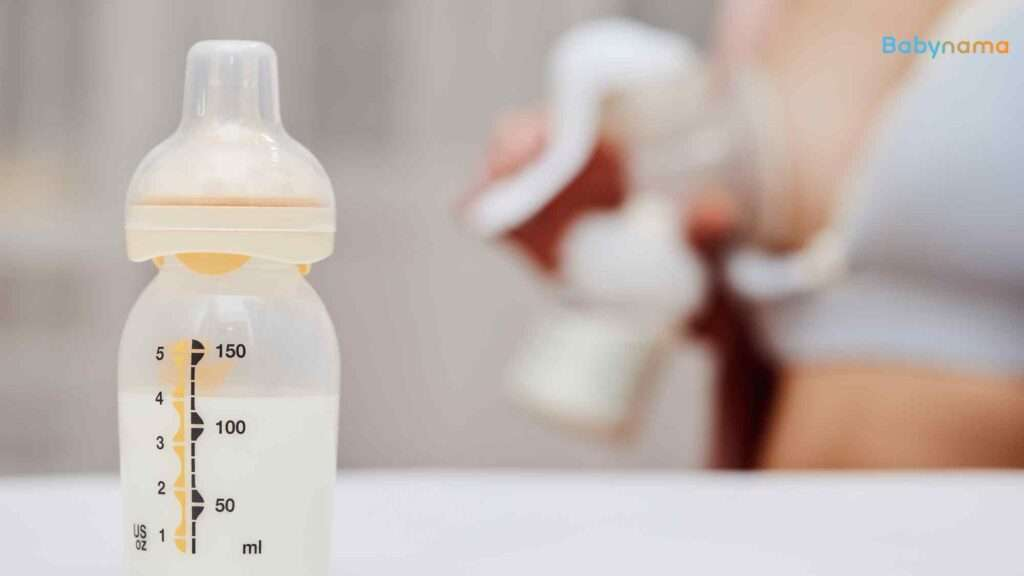
| Room temperature | 25°C or below | Up to 4 hours |
| Refrigerator | 4°C or below | Up to 4 days |
| Freezer | -18°C or below | Best within 6 months (acceptable up to 12) |
Hot-weather note for India: Much of India stays well above 25°C for large parts of the year, and many homes won’t sit at or below 25°C. In hot conditions, don’t rely on the room-temperature window — refrigerate expressed milk promptly.
Step 2: Handling Refrigerated Milk
- Remove from refrigerator
- Swirl gently (not shake vigorously) - fat separates naturally
- Check appearance - if fat doesn’t mix after gentle swirling, the milk may be spoiled
- Test a small amount - smell for any sour odor
- If milk smells sour or spoiled, discard it - never feed it. If your baby has already been given milk that smelled off and then vomits, develops a fever, or becomes unusually drowsy or lethargic, see a doctor promptly.
Step 3: Feeding
- Use clean bottle - sterilized for babies under 6 months
- Hold baby in feeding position
- Offer the milk - baby may take a moment to adjust
- Watch for acceptance - most babies adapt quickly
Step 4: After Feeding
- Discard any milk left in the bottle after feeding
- Don’t save leftover milk from a feed
- Washed and sterilized bottles ready for next feed
If Baby Prefers Warm Milk: Safe Warming Methods
DO:
- Warm water bath - Place bottle in bowl of warm water for 5-10 minutes
- Bottle warmer - Use as per instructions
- Running warm water - Hold bottle under warm tap water
DON’T:
- Never microwave - Creates hot spots that can burn baby
- Never boil - Destroys nutrients
- Don’t overheat - Should be body temperature or slightly warm Testing temperature: Drop a few drops on your inner wrist - should feel lukewarm, not hot.
Cold Milk for Formula-Fed Babies
The same rules apply to prepared formula:
Safe at room temperature: Up to 2 hours after preparation
Finish within 1 hour of starting a feed: Once your baby starts drinking, finish the bottle within 1 hour. Discard any formula left after that — saliva introduces bacteria.
Can be refrigerated: For 24 hours if not yet offered to baby
Cold formula is safe: Many babies accept it just fine
Indian Formula Brands - All Can Be Given Cold
- NAN Pro
- Lactogen
- Similac
- Aptamil
- Enfamil Tip: If preparing formula in advance, store in refrigerator and offer cold, or warm gently before feeding.
Cost and Practical Considerations
| Method | Cost | Convenience |
|---|---|---|
| Cold milk | Rs. 0 | Most convenient |
| Warm water bath | Rs. 0 | Takes 5-10 minutes |
| Bottle warmer | Rs. 800-2000 | Convenient, upfront cost |
| Flask with warm water | Rs. 200-500 | Good for travel |
Budget-friendly tip: Cold milk is the most economical option - no electricity or equipment needed!
Tips for Success
- Start early - Babies who are offered cold milk from the beginning accept it easily
- Be consistent - If switching, do so gradually
- Follow storage guidelines - Cold milk is only safe if properly stored
- Swirl, don’t shake - Gentle swirling preserves milk structure
- Label your milk - Date and time of pumping helps track freshness
Common Mistakes to Avoid
- Microwaving breast milk or formula - Creates dangerous hot spots
- Re-refrigerating warmed milk - Bacteria can grow
- Shaking vigorously - Can damage milk proteins
- Ignoring spoilage signs - Sour smell means discard
- Storing too long - Follow time guidelines strictly
- Mixing fresh and stored milk - Only mix if both are refrigerated first
When to Consult a Doctor
No need to worry if:
-
Baby occasionally refuses cold milk but takes it warmed
-
Some feeds are cold, others warm
-
Baby spits up occasionally (normal with any temperature milk) Consult your pediatrician if:
-
Baby consistently refuses all milk feeds
-
Baby vomits frequently (not just spit-up)
-
Baby has poor weight gain
-
You’re concerned about milk supply or storage
Seek care urgently if a baby refusing all feeds (cold or warm) also shows signs of dehydration — fewer wet nappies, a dry mouth, a sunken soft spot (fontanelle), or unusual drowsiness or lethargy. These need same-day medical attention.
Expert Insight from the Babynama Pediatricians: Fed is best. Formula is a valid choice and provides excellent nutrition.
FAQs
Q: Will cold milk give my baby stomach pain or gas?
A: No, there is no evidence that cold milk causes stomach pain, gas, or colic. If your baby has gas or colic, the temperature of milk is not the cause. These issues are related to baby’s developing digestive system, not milk temperature.
Q: My mother-in-law says cold milk causes cold and cough in babies. Is this true?
A: This is a common myth. Cold or cough is caused by viruses, not by drinking cold milk. Many countries routinely feed babies refrigerated milk without any increase in respiratory illnesses. If your baby is well, cold milk is usually very safe.
Q: Can I mix fresh breast milk with refrigerated milk?
A: Yes, but the fresh milk should be refrigerated first before mixing. Never add warm/fresh milk to already cold stored milk. Once mixed, use within the time limit of the older milk.
Q: My baby is teething and refuses warm milk. Can I give cold?
A: Yes! Cold milk can actually help soothe sore teething gums. Many teething babies prefer cold milk during this time. This is one of the advantages of cold milk feeding.
Q: Is it safe to take cold breast milk when traveling?
A: Yes, with proper handling. In an insulated cooler bag with frozen ice packs, expressed milk keeps for up to 24 hours; transfer it to a refrigerator or freezer as soon as you can. For longer trips, consider frozen milk with ice packs.
Q: Should I warm formula or can I give it cold too?
A: Formula can also be given at room temperature or cold. Many babies accept cold formula, especially if started early. If your baby prefers warm formula, that’s fine too. Just never microwave it - use warm water bath method instead.
Sources:
- CDC — Breast Milk Storage and Preparation (room temp up to 4h, fridge up to 4 days, freezer 6 months best/up to 12 months acceptable; insulated cooler with ice packs up to 24h)
- CDC — Infant Formula Preparation and Storage (use within 2h of preparation and within 1h of starting a feed; refrigerate prepared formula up to 24h)
- WHO / IAP (Indian Academy of Pediatrics) — breastfeeding and expressed breast milk handling guidance
This article is general information for Indian parents, not a substitute for examination by your pediatrician. In an emergency, call 112 or 108.
This article was reviewed by the Babynama Pediatricians. Last updated: June 2026
Need personalized guidance? Book a consultation with our pediatricians or explore our Care Plans for 24/7 expert support!
Starting Solids? We Can Help!
Expert-guided nutrition plans for your baby.
Explore Nutrition Program