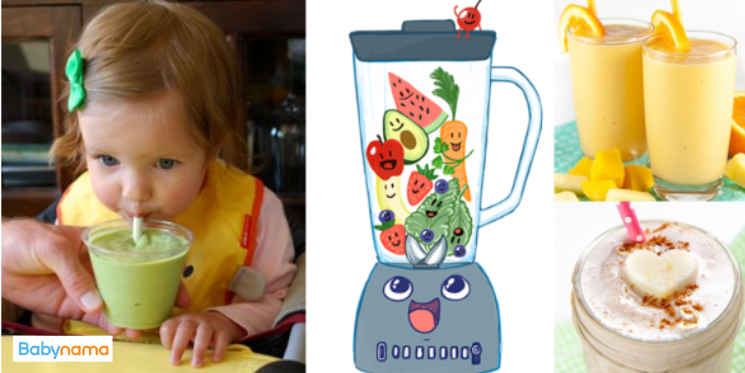
Quick Answer: Yes, smoothies can be safe and nutritious for children when made properly! The key is to use whole fruits/vegetables, limit added sugars, include protein, and treat smoothies as a food (not a drink). For babies under 1, stick to purees. For toddlers and older kids, smoothies can be a great way to sneak in nutrition - just don’t let them replace whole foods entirely.
When Can Kids Start Having Smoothies?
| Age | Smoothie Recommendation |
|---|---|
| 0-6 months | Not recommended - only breastmilk/formula |
| 6-12 months | Purees are better; avoid smoothies |
| 1-2 years | Thick smoothies in small amounts, with meals |
| 2+ years | Can enjoy smoothies as part of balanced diet |
Why Wait Until Age 1?
- Smoothies are high in natural sugars
- Babies need to learn chewing and texture handling
- Can fill up tiny tummies, displacing milk
- Risk of developing preference for sweet drinks
Benefits of Smoothies for Kids
When made right, smoothies offer real benefits:
| Benefit | How It Helps |
|---|---|
| Nutrient boost | Sneak in fruits/veggies picky eaters refuse |
| Hydration | Good option for kids who don’t drink enough |
| Quick breakfast | Nutritious option for busy mornings |
| Energy for activities | Great pre/post sports snack |
| Healthy habits | Teaches kids to enjoy whole foods |
Potential Risks (And How to Avoid Them)
Sugar Content
Even “healthy” smoothies can have lots of sugar:
- 1 cup fruit smoothie = 20-30g sugar
- That’s 5-7 teaspoons! Solution: Limit fruit to 1/2-1 cup, add vegetables, include protein
Tooth Decay
Sipping sweet drinks damages teeth.
Solution:
- Drink smoothies with meals, not throughout the day
- Use a regular cup, not sippy cup
- Rinse mouth with water after
Replacing Whole Foods
| Problem | Why It Matters |
|---|---|
| Less chewing | Kids need to develop jaw muscles |
| Missing fiber benefits | Blending breaks down fiber |
| Over-reliance | May refuse to eat whole foods |
Solution: Smoothies should supplement, not replace, regular meals
How to Make Healthy Kid-Friendly Smoothies
The Perfect Formula
| Component | Amount | Examples |
|---|---|---|
| Fruit | 1/2 - 1 cup | Banana, mango, berries |
| Vegetable | 1/2 cup | Spinach, cauliflower, carrot |
| Protein | 1-2 tbsp | Yogurt, nut butter, milk |
| Liquid | 1/2 - 1 cup | Milk, coconut water |
| Healthy fat | Optional | Avocado, flax seeds |
Vegetables That Hide Well
Most kids won’t notice these:
- Spinach (turns smoothie green but mild taste)
- Cauliflower (little colour change, mild taste)
- Zucchini (blends invisibly)
- Sweet potato (adds creaminess)
- Carrot (pairs well with mango/orange)
Protein Boosters
| Protein Source | Amount to Add |
|---|---|
| Greek yogurt | 1/4 - 1/2 cup |
| Milk/milk alternative | 1 cup |
| Nut butter | 1-2 tablespoons |
| Silken tofu | 1/4 cup |
| Chia seeds | 1 teaspoon |
Kid-Approved Smoothie Recipes
Green Monster (Hidden Veggies)
- 1 banana
- 1 handful spinach
- 1/2 cup mango
- 1/2 cup milk
- 1 tbsp peanut butter
Choco-Banana Delight
- 1 banana
- 1 tbsp cocoa powder
- 1/2 cup cauliflower (frozen)
- 1/2 cup milk
- 1 tbsp almond butter
Berry Boost
- 1/2 cup mixed berries
- 1/4 cup Greek yogurt
- 1/2 banana
- 1/2 cup milk
Mango Lassi Style
- 1/2 cup mango
- 1/4 cup yogurt (curd)
- 1/2 cup milk
- Pinch of cardamom
Common Smoothie Mistakes to Avoid
| Mistake | Why It’s a Problem | Better Approach |
|---|---|---|
| Too much fruit | Sugar overload | Limit to 1 cup, add vegetables |
| Only fruit + juice | Empty calories | Add protein and healthy fat |
| Large portions | Too filling | 4-8 oz for toddlers, 8-12 oz for older kids |
| Serving in bottles | Sippy sipping damages teeth | Use open cup, drink quickly |
| Daily habit | May refuse whole foods | 2-3 times per week max |
| Added sweeteners | Unnecessary sugar | Ripe banana provides enough sweetness |
Smoothies for Picky Eaters
Strategy: Start Familiar, Go Slow
- Start with fruits they love - Strawberry, banana
- Add a tiny bit of veggie - 1 tablespoon spinach
- Gradually increase - More veggie each week
- Let them help make it - Kids eat what they create
- Fun names help - “Hulk Juice,” “Princess Pink”
What NOT to Do
- Don’t force smoothies if child refuses
- Don’t lie about ingredients (builds distrust)
- Don’t use smoothies as reward/bribe
- Don’t replace too many meals
When to Be Careful
Avoid or limit smoothies if your child:
-
Has diabetes or blood sugar issues (consult doctor)
-
Has oral motor delays (needs chewing practice)
-
Is underweight (may fill up, eat less)
-
Has food allergies (hidden ingredients) Ingredient cautions:
-
Raw honey - never for under 1 year
-
Whole nuts - choking hazard in smoothies with chunks
-
Raw eggs - food safety risk
-
Unpasteurized juice - not safe for young children
When introducing a new ingredient (nut butter, dairy, etc.), offer a small amount on its own first and watch for reactions. If your child develops hives, swelling of the lips/face/tongue, vomiting, or any difficulty breathing after a smoothie, this can be a serious allergic reaction.
🚨 Call 112 or 108 / go to the nearest hospital. If an adrenaline auto-injector is prescribed, use it first.
Frequently Asked Questions
Q: Can I give smoothies to my 8-month-old?
A: It’s better to wait until age 1. At 8 months, babies need to practice chewing and handling textures. Offer soft fruits and vegetables they can pick up and chew instead.
Q: My toddler only wants smoothies, not real food. What should I do?
A: Reduce smoothie frequency to 2-3 times per week maximum. Make smoothies thicker and serve with a spoon so it feels more like food. Offer whole foods first when hungry, smoothie later.
Q: Are store-bought smoothies okay?
A: Most are high in sugar and low in protein. If buying, choose those with no added sugar and look for protein content. Homemade is always better because you control ingredients.
Q: Can smoothies help with constipation?
A: Yes! Add prunes, pears, or flaxseed. The fiber and fluids can help. But don’t rely only on smoothies - whole fruits and water work better long-term.
Q: Will blending fruit destroy the fiber?
A: Blending doesn’t destroy fiber, but it does break it down. Whole fruit requires more chewing and digestion, which has benefits. Smoothies are still better than juice, which removes fiber entirely.
Key Takeaways
- Safe after age 1 - Wait until toddler stage for smoothies
- Balance is key - Fruit + vegetable + protein + healthy fat
- Watch the sugar - Limit fruit, skip added sweeteners
- Supplement, don’t replace - Smoothies alongside, not instead of, real meals
- Dental care matters - Drink with meals, rinse mouth after
- 2-3 times per week - Don’t make it a daily habit
This article was reviewed by pediatricians at Babynama. Last updated: January 2026
Need personalized guidance? Book a consultation with our pediatricians or explore our Care Plans for 24/7 expert support!
Related Tools
General information for Indian parents, not a substitute for your pediatrician. In an emergency, call 112 or 108.
Starting Solids? We Can Help!
Expert-guided nutrition plans for your baby.
Explore Nutrition Program