Quick Answer
For most babies, early introduction of allergenic foods (from around 6 months) helps protect against allergies - so there’s usually no reason to wait. True food allergy is uncommon in India — community studies estimate well under 1% of children, much lower than Western figures of around 5-8% — and most allergies can be managed safely. But if your baby has severe eczema and/or a known egg allergy, talk to your pediatrician BEFORE introducing peanut or other allergens — these babies need a different, supervised pathway (see below). This guide will help you understand the difference between allergy and sensitivity, introduce foods safely, and know when to worry.
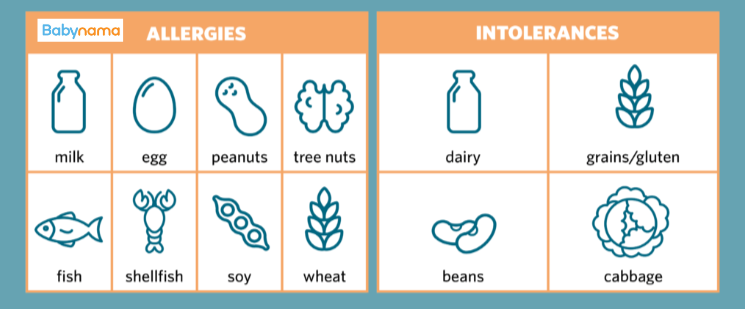
Allergy vs Sensitivity Samjhein (Understanding the Difference)
Food Allergy (Khaane Se Allergy):
-
Immune system overreacts to food protein
-
Happens FAST - within minutes to 2 hours
-
Can be mild (rash) or severe (anaphylaxis)
-
Requires careful avoidance
-
Some may be lifelong, others outgrown Food Sensitivity/Intolerance (Khaane Se Taklif):
-
Digestive system can’t process food properly
-
Happens SLOWLY - hours to 3 days later
-
Causes discomfort but NOT life-threatening
-
Often improves as digestive system matures
-
Harder to identify due to delayed reaction | Feature | Food Allergy | Food Sensitivity | | --- | --- | --- | | Timing | Minutes to 2 hours | Hours to 3 days | | Cause | Immune system | Digestive system | | Severity | Can be dangerous | Uncomfortable | | Symptoms | Hives, swelling, breathing | Gas, bloating, loose stools | | Detection | Easier (quick reaction) | Harder (delayed) | | Resolution | May be lifelong | Often outgrown |
The “Big 8” Allergens (90% of All Allergies)
| Food | Hindi Name | How to Introduce |
|---|---|---|
| Cow’s Milk | Doodh | Dairy products from 6 months (not whole milk as drink) |
| Eggs | Ande | Well-cooked egg from 6 months |
| Peanuts | Moongphali | Peanut butter mixed in food from 6 months |
| Tree Nuts | Badam, Kaju | Powdered form from 6 months |
| Wheat | Gehun | Soft roti/daliya from 6 months |
| Soy | Soya | Tofu from 6 months |
| Fish | Machli | Well-cooked from 6 months |
| Shellfish | Jhinga | Can wait till 1 year |
When to Introduce Allergenic Foods
Current guidelines recommend EARLY introduction:
| Age | What to Do |
|---|---|
| 0-6 months | Exclusive breast milk/formula only |
| 6 months | Start basic foods (rice, dal, vegetables) |
| 6-7 months | Begin introducing allergenic foods ONE at a time |
| 6-12 months | All major allergens should be introduced |
| After introduction | Keep giving regularly — at least 3 times per week |
Key insight: For most babies, waiting longer does NOT reduce risk and may actually increase allergy risk.
⚠️ High-risk babies need a different path. If your baby has severe eczema and/or a known egg allergy, talk to your pediatrician BEFORE introducing peanut. These babies are at the highest risk of a serious reaction and may need allergen introduction earlier (around 4-6 months), sometimes after allergy testing or with the first feed given under medical supervision — not simply at home. Do not start peanut at home for these babies without your doctor’s guidance.
How to Safely Introduce Allergenic Foods
Step 1: Choose the right time
-
Baby is 6+ months and eating some solids
-
Healthy (no cold, fever)
-
Morning time (easier to monitor)
-
At home (not restaurant/travel) Step 2: Start small
-
First try: 1/4 teaspoon
-
Wait and watch for 2 hours
-
If no reaction, increase gradually Step 3: One at a time
-
Introduce ONE new allergenic food
-
Wait 3-5 days before introducing another
-
Continue giving foods that were tolerated Step 4: Keep giving regularly
-
Once introduced safely, keep giving it at least 3 times per week
-
For peanut specifically, the target is about 2 tsp of smooth peanut butter (~2 g peanut protein) per serving
-
Regular exposure maintains tolerance
Practical Introduction Tips
| Food | How to Give |
|---|---|
| Egg | Well-cooked scrambled egg, start with 1/4 tsp |
| Peanut | Smooth peanut butter thinned with warm water or puree, in porridge. NEVER give whole peanuts or whole nuts before ~4-5 years — choking risk |
| Wheat | Small piece of soft roti, daliya |
| Dairy | Dahi, soft paneer |
| Fish | Soft, well-cooked, deboned |
| Nuts | Almond powder in milk/porridge |
When to Worry (Red Flags)
🚨 Call 112 (national emergency) or 108 (ambulance), or go straight to the nearest hospital, if you see: difficulty or noisy breathing; swelling of the face, lips or tongue; widespread hives with vomiting; pale, grey or blue skin; floppiness or unresponsiveness; or a seizure. These can be a severe allergic reaction (anaphylaxis). If an adrenaline auto-injector has been prescribed, use it first, then go. Do not wait for a clinic appointment.
This is anaphylaxis - life-threatening!
See doctor soon if:
-
Hives (chhapaki) that spread
-
Vomiting after same food repeatedly
-
Blood in stool after new food
-
Severe eczema flare after eating
-
Any reaction every time specific food is given NOT usually allergic reaction:
-
Rash only around mouth (contact irritation from acidic foods)
-
Loose stools when starting new foods (digestive adjustment)
-
Gas and fussiness with new foods
What to Do If Reaction Happens
Mild reaction (hives only, no breathing issues):
-
Stop the food immediately
-
Note what was eaten and when
-
Give antihistamine if doctor has prescribed
-
Watch closely for worsening
-
Take photo of reaction
-
Call doctor for guidance Severe reaction (any breathing/swelling):
-
Call 112 or 108, or go straight to the nearest hospital — IMMEDIATELY
-
Use the adrenaline (epinephrine) auto-injector or pre-filled adrenaline syringe first, then go, if your doctor has prescribed one. Note: auto-injectors are not widely stocked in India — ask your pediatrician what rescue option is available to you
-
Keep child lying flat with legs raised (or sitting up if breathing is difficult). Do NOT suddenly stand the child up — this can cause a dangerous drop in blood pressure
-
Don’t give anything by mouth
-
Don’t leave child alone
Managing Diagnosed Food Allergies
If allergy is confirmed:
-
Read labels carefully - Allergens hide in many foods
-
Inform everyone - School, relatives, babysitters
-
Carry medication - Antihistamine, and an adrenaline (epinephrine) auto-injector or pre-filled adrenaline syringe if your doctor has prescribed one (these are not widely available in India — ask your pediatrician what rescue option you can get)
-
Medical alert - Consider bracelet for older children
-
Follow up regularly - Many children outgrow allergies Common hidden allergens in Indian foods:
-
Milk: Biscuits, chocolates, bread, sweets
-
Wheat: Most Indian snacks, packaged foods
-
Nuts: Mithai, chocolates, some ice creams
-
Egg: Cakes, some breads
Frequently Asked Questions
Q: Family mein allergy hai. Kya baby ko bhi hogi? Kya ruka jaye introduction?
A: Family history increases risk but doesn’t mean baby WILL have allergy. For most babies, do NOT delay introduction — early introduction (from around 6 months) actually reduces risk. One important exception: if your baby has severe eczema and/or a known egg allergy, do NOT start peanut at home — speak to your pediatrician first, as these babies may need earlier (4-6 month) and supervised introduction. For lower-risk babies: introduce first exposure at home (not restaurant), during morning, and monitor closely for 2 hours. And if a food has ever caused any reaction before, get your baby checked before giving that food again.
Q: New food ke baad rash aa gaya mouth ke aaspas. Allergy hai?
A: Rash ONLY around mouth after acidic foods (tomato, orange, mango) or messy eating is usually contact irritation, NOT allergy. True allergic hives are: raised, itchy, appear anywhere on body (not just where food touched), and happen within 2 hours of eating. If rash is just around mouth and nowhere else, try again - probably not an allergy.
Q: Bachcha raat ko bahut rota hai new food dene ke baad. Allergy hai kya?
A: Probably not allergy. Allergic reactions happen within 2 hours and have specific symptoms (hives, vomiting, breathing issues). Night waking or fussiness could be: normal adjustment to new foods, gas/bloating, coincidence with other factors. Give foods during morning to monitor better. If baby has true allergic symptoms (hives, swelling, vomiting) then stop food and consult doctor.
Q: Breastfeeding mein mujhe kya avoid karna chahiye?
A: Unless YOUR baby has shown reaction to specific food through your milk, DON’T avoid foods! Research shows eating variety while breastfeeding may actually help baby develop tolerance. Only eliminate a food if: baby consistently reacts (eczema flare, bloody stool, excessive fussiness) after you eat it, and symptoms improve when you stop.
Q: Anda dena hai but family vegetarian hai. Kya zaruri hai?
A: Egg is highly nutritious but not essential if family is vegetarian. Focus on other protein sources: dal, paneer, dahi, soy. If you want to introduce egg for allergy prevention benefit, that’s a personal choice. If you don’t give egg, baby won’t develop egg allergy from not eating it - they simply won’t have known tolerance.
This article was reviewed by a pediatrician. Last updated: February 2026
This article is general information for Indian parents, not a substitute for examination by your pediatrician. In an emergency, call 112 or 108.
Starting solids or worried about food reactions? Babynama’s pediatricians can guide you through safe food introduction and help identify any allergies. Chat with us on WhatsApp!
Need personalized guidance? Book a consultation with our pediatricians or explore our Care Plans for 24/7 expert support!
Related Tools
Starting Solids? We Can Help!
Expert-guided nutrition plans for your baby.
Explore Nutrition Program