Quick Answer: How Do I Plan a Balanced Diet for My Child?
A balanced diet includes foods from all 5 food groups in the right proportions. Using the food pyramid or plate model helps ensure your child gets proteins, carbohydrates, fats, vitamins, and minerals for proper growth. Good nutrition also builds immunity and helps your child fight off infections and fever better!
Reassurance: You don’t need perfect meals every day. Aim for balance over a week. Small, consistent changes make a big difference!

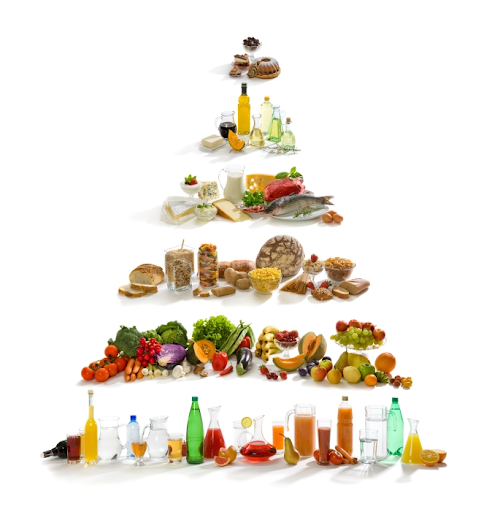
Food Pyramid for Indian Children
The food pyramid shows what your child should eat most (at the base) to least (at the top):
| Level | Food Group | Examples | Servings/Day |
|---|---|---|---|
| Base (Eat Most) | Grains & Cereals | Roti, rice, dalia, poha, idli, oats | 4-6 |
| Level 2 | Vegetables & Fruits | Sabzi, dal, seasonal fruits | 3-5 |
| Level 3 | Protein | Dal, paneer, eggs, chicken, fish, nuts | 2-3 |
| Level 4 | Dairy | Milk, dahi, paneer, cheese | 2-3 |
| Top (Eat Least) | Fats, Oils, Sweets | Ghee, oil, mithai, chips | Limited |
Nutrition Needs by Age
6-12 Months (Starting Solids)
- Breast milk (or formula) remains the primary nutrition. Nothing other than breast milk or formula before 6 months.
- Introduce single foods gradually
- Iron-rich foods important (ragi, dal)
- No salt, sugar, or honey (honey only after 1 year)
1-3 Years (Toddlers)
- 1000-1200 calories/day
- 3 meals + 2-3 snacks
- Continue milk (2-3 cups)
- Finger foods and self-feeding
3-5 Years (Preschoolers)
- 1200-1400 calories/day
- Increased appetite for variety
- Still needs help with portions
- Important growth phase
5-12 Years (School Age)
- 1400-2000 calories/day (varies by age)
- Independent eating
- School tiffin matters
- Active growth period
Indian Foods by Food Group
Grains & Carbohydrates (Anaj)
| Food | Nutrients | Serving Size |
|---|---|---|
| Roti/Chapati | Carbs, fiber | 1-2 rotis |
| Rice | Carbs, energy | 1/2 cup |
| Dalia | Fiber, B vitamins | 1/2 cup |
| Poha | Iron, carbs | 1/2 cup |
| Oats | Fiber, protein | 1/2 cup |
| Idli/Dosa | Carbs, protein (dal) | 2-3 pieces |
Vegetables & Fruits (Sabzi-Phal)
| Category | Examples | Why Important |
|---|---|---|
| Leafy greens | Palak, methi, sarson | Iron, calcium, folate |
| Colored vegetables | Carrot, tomato, pumpkin | Vitamin A, antioxidants |
| Other vegetables | Lauki, tinda, bhindi | Fiber, minerals |
| Citrus fruits | Orange, amla, mosambi | Vitamin C, immunity |
| Other fruits | Banana, apple, papaya | Vitamins, fiber |
Proteins (Building Blocks)
| Vegetarian | Non-Vegetarian |
|---|---|
| Dal & legumes | Eggs |
| Paneer | Chicken |
| Chole, rajma | Fish |
| Soya | Mutton (occasionally) |
| Sprouts | - |
| Nuts & seeds | - |
Dairy (Calcium Source)
- Milk: 2-3 cups daily
- Curd/Dahi: Excellent probiotic
- Paneer: Protein + calcium
- Cheese: Calcium (in moderation)
Healthy Fats
- Ghee: 1-2 tsp/day (good for brain)
- Mustard oil, coconut oil: Cooking
- Nuts: Almonds, walnuts
- Seeds: Flax, chia
Food and Immunity
Good nutrition supports your child’s immune system. The foods below are part of a healthy, varied diet. Note: kitchen remedies such as haldi, tulsi, ginger and garlic are widely used in Indian homes but have no proven benefit in treating infection or fever — offer them as part of normal food, not as medicine, and discuss with your pediatrician. They are not a substitute for medical care when your child is unwell.
Foods That Support Immunity
| Food | How It Helps |
|---|---|
| Haldi (turmeric) | Anti-inflammatory, antibacterial |
| Amla | Very high Vitamin C |
| Tulsi | Antiviral properties |
| Honey (1+ year only) | Antibacterial, soothing |
| Ginger | Anti-inflammatory |
| Garlic | Immune booster |
| Curd/yogurt | Probiotics for gut health |
When Child Has Fever
Managing fever with diet:
- Light, easily digestible food (khichdi, soup)
- Plenty of fluids (ORS, dal ka paani, coconut water)
- Avoid heavy, oily food Paracetamol (e.g. Calpol) for fever:
Paracetamol is dosed by your child’s weight, not age:
- 15 mg per kg per dose, every 4–6 hours as needed.
- Maximum 60 mg per kg in 24 hours (no more than 4 doses a day).
- Always check the strength printed on your bottle, as it varies (drops are often 100 mg/ml; syrups commonly 125 mg/5 ml or 250 mg/5 ml). Use the syringe or cup that comes with that bottle.
Example: a 10 kg child needs about 150 mg per dose (roughly 6 ml of a 125 mg/5 ml syrup). When in doubt, ask your pediatrician or pharmacist to confirm the exact ml for your child’s weight and your bottle’s strength.
🚨 Do not give paracetamol to a baby under 3 months without a doctor’s advice. In a baby under 3 months, any fever of 100.4°F (38°C) or higher is a same-day emergency — do not medicate and wait at home. Take the baby to a doctor or nearest hospital the same day; if it is after hours, call 112 (national emergency) or 108 (ambulance).
Sample Day Menu by Age
For 1-3 Years
| Meal | Options |
|---|---|
| Breakfast | Suji ka halwa + milk OR Moong dal cheela |
| Mid-morning | Fruit (banana, chiku) |
| Lunch | Dal-chawal + sabzi (1 small bowl each) |
| Snack | Homemade mathi/biscuit + milk |
| Dinner | Roti + paneer/egg + vegetables |
| Bedtime | Milk |
For 3-5 Years
| Meal | Options |
|---|---|
| Breakfast | Paratha with curd OR Poha with vegetables |
| Mid-morning | Seasonal fruit |
| Lunch | 2 rotis + dal + sabzi + salad |
| Snack | Sprouts chaat OR homemade snack |
| Dinner | Khichdi with ghee OR roti-sabzi |
| Bedtime | Milk with haldi |
Foods to Limit or Avoid
| Food | Why to Limit |
|---|---|
| Packaged chips/snacks | High salt, preservatives |
| Soft drinks | Sugar, no nutrition |
| Candies/chocolates | Sugar, dental issues |
| Fried food daily | Excess oil, obesity risk |
| Fast food | High fat, salt, calories |
| Packaged juices | Sugar (prefer whole fruit) |
| Too much sugar | Obesity, cavities |
Common Mistakes to Avoid
- Force feeding - Creates food aversion
- Screen time during meals - Leads to overeating or undereating
- Too many snacks - Kills appetite for meals
- Only child-preferred foods - Limits nutrition variety
- Skipping breakfast - Low energy, poor concentration
- Too much milk - Can reduce appetite for solids
- Ignoring iron-rich foods - Common deficiency in Indian children
When to See a Doctor
Nutritional concerns needing medical advice:
- Not gaining weight appropriately
- Extreme food refusal
- Signs of nutritional deficiency (pale skin, fatigue)
- Frequent illness despite good diet
- Unexplained weight loss
- Food allergies suspected
Expert Insight: Our Babynama Pediatricians remind parents that no single meal makes or breaks nutrition — aim for variety and balance across the week, and keep mealtimes calm and pressure-free.
FAQs
Q: My child only wants to eat rice and refuses vegetables. What should I do?
A: Don’t force. Try mixing finely chopped vegetables into dal, making vegetable paratha, or offering colorful vegetables in fun shapes. Offer small amounts repeatedly - children may need 10-15 exposures before accepting new foods. Lead by example!
Q: How much milk should my 2-year-old drink?
A: About 2 cups (400-500 ml) daily is enough. Too much milk can fill up the tummy and reduce appetite for solids. If child refuses food after milk, reduce milk quantity.
Q: My child is a fussy eater and often falls sick. Are they related?
A: Possibly! Poor nutrition weakens immunity. Focus on variety - even small amounts of different foods help. Add immunity boosters like turmeric to milk, offer Vitamin C rich fruits. If frequent illness continues, consult your pediatrician.
Q: Is ghee good for my child?
A: YES! Ghee is excellent for children - provides healthy fats essential for brain development, vitamin absorption, and energy. 1-2 teaspoons daily in dal, khichdi, or roti is beneficial.
Q: My child has fever and won’t eat anything. What should I give?
A: Don’t force food during fever. Focus on fluids - ORS, coconut water, dal ka paani, clear soups. Offer light foods if they’re willing - khichdi, curd rice, banana. Give Calpol for fever (dose by weight). Appetite returns as fever resolves.
Q: Should I give my child vitamin supplements?
A: A balanced diet usually provides all needed nutrients. However, many Indian children need Vitamin D supplementation (limited sun exposure). Iron may be needed for anemia. Consult your pediatrician for specific recommendations based on your child’s diet and health.
This article was reviewed by a pediatrician. Last updated: January 2025
Need personalized guidance? Book a consultation with our pediatricians or explore our Care Plans for 24/7 expert support!
Related Tools
General information for Indian parents, not a substitute for your pediatrician. In an emergency, call 112 or 108.
Starting Solids? We Can Help!
Expert-guided nutrition plans for your baby.
Explore Nutrition Program