Last updated: January 2026
Quick Answer
Iron is essential for your child’s brain development, energy, and immunity - and deficiency is common, with about 67% of Indian children aged 6-59 months anaemic (NFHS-5, 2019-21). The best way to ensure adequate iron is through iron-rich foods like ragi, green leafy vegetables (palak, methi), eggs, lentils (daal), and for non-vegetarians, chicken and fish. Vitamin C helps iron absorption, while excess milk can block it. Per ICMR-NIN 2020, children aged 1-3 years need about 8mg iron daily, and 4-6 year olds about 11mg daily.
Reassurance: With thoughtful meal planning using everyday Indian foods, most children can get adequate iron without supplements. However, if your child is a very picky eater or showing deficiency signs, consult your pediatrician.

Why Iron is Crucial for Children
What Iron Does in Your Child’s Body
| Function | Why It Matters |
|---|---|
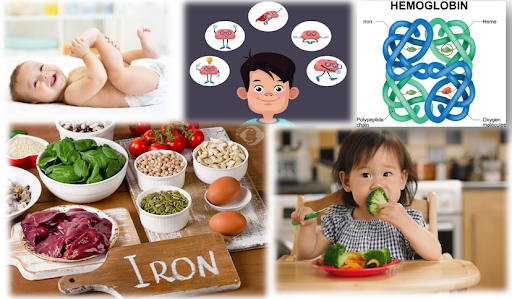
| Makes hemoglobin | Carries oxygen in blood to all organs |
| Brain development | Critical for learning, memory, concentration |
| Energy production | Prevents fatigue and weakness |
| Immune function | Fights infections and illness |
| Muscle function | Needed for physical activity and growth |
| Growth | Required for healthy development |
The Iron Crisis in Indian Children
Statistics:
- About 67% of Indian children aged 6-59 months are anaemic (NFHS-5, 2019-21)
- Iron deficiency is the most common nutritional deficiency
- Urban AND rural children are affected
- Even well-fed children can be deficient
Why is it so common?
- Vegetarian diets (lower iron absorption)
- Excessive milk consumption (blocks iron)
- Not enough iron-rich foods
- Poor vitamin C intake (reduces absorption)
- Infections and parasites
Daily Iron Requirements by Age
Approximate daily requirements per ICMR-NIN 2020 (Recommended Dietary Allowances for Indians):
| Age Group | Daily Iron Needed |
|---|---|
| 0-6 months | Met by breast milk/formula |
| 7-12 months | ~3 mg |
| 1-3 years | ~8 mg |
| 4-6 years | ~11 mg |
| 7-9 years | ~15 mg |
| Adolescents | Higher needs; girls more than boys after menstruation begins |
Note: Iron needs rise sharply after 6 months because the iron stores a baby is born with start to run out around this age, while brain development is rapid. Exact requirements vary by age and standard — your pediatrician can advise what is right for your child.
Signs of Iron Deficiency
Early Warning Signs
- Pale skin - Especially lips, nail beds, inner eyelids
- Fatigue - Unusually tired, less active than usual
- Poor appetite - Not interested in food
- Irritability - Cranky, fussy behavior
- Poor concentration - Difficulty focusing, learning difficulties
- Frequent infections - Getting sick often
More Serious Signs (Need Immediate Attention)
- Extremely pale or yellowish skin
- Rapid breathing or shortness of breath
- Fast heartbeat
- Swollen hands and feet
- Pica - eating non-food items (dirt, chalk, ice, paper)
- Delayed development
- Cold hands and feet constantly Important: Many symptoms don’t appear until deficiency is severe. Regular pediatric checkups with blood tests catch it early!
Iron-Rich Indian Foods
Two Types of Iron
Heme Iron (Animal Sources):
-
Better absorbed (15-35% absorption)
-
Found in meat, fish, poultry, eggs Non-Heme Iron (Plant Sources):
-
Less well absorbed (2-20% absorption)
-
Found in vegetables, grains, legumes
-
Absorption improves with vitamin C!
Vegetarian Iron Sources (Desi Foods)
| Food | Iron Content | Serving for Kids |
|---|---|---|
| Ragi (finger millet) | 3.9 mg/100g | Ragi porridge, ragi dosa |
| Palak (spinach) | 2.7 mg/100g | Palak paneer, palak dal |
| Methi (fenugreek) | 6.4 mg/100g | Methi paratha, thepla |
| Chana (chickpeas) | 6.2 mg/100g | Chana curry, roasted chana |
| Rajma | 5.1 mg/100g | Rajma chawal |
| Moong dal | 3.5 mg/100g | Dal, cheela, khichdi |
| Til (sesame) | 14.5 mg/100g | Til ladoo, chutney |
| Gur (jaggery) | 11 mg/100g | With roti, in sweets |
| Dates (khajoor) | 2.8 mg/100g | As snack, in milkshakes |
| Pumpkin seeds | 8.8 mg/100g | As snack, in trail mix |
| Amaranth (rajgira) | 7.6 mg/100g | Ladoo, porridge |
| Poha (flattened rice) | 20 mg/100g | Breakfast poha |
| Sooji/semolina | 1.2 mg/100g | Upma, halwa |
Non-Vegetarian Iron Sources
| Food | Iron Content | Serving for Kids |
|---|---|---|
| Chicken liver | 9 mg/100g | Liver curry (small portions) |
| Egg yolk | 2.7 mg/yolk | Boiled egg, bhurji |
| Chicken | 1.3 mg/100g | Curry, soup, tikka |
| Fish (pomfret, rohu) | 1.5 mg/100g | Fish curry, fried fish |
| Mutton | 3.0 mg/100g | Keema, curry |
Fortified Foods

- Iron-fortified cereals (check labels!)
- Fortified baby cereals (Cerelac, etc.)
- Some breads and biscuits are fortified
- Check for “iron-fortified” on packaging
Step-by-Step: Ensuring Adequate Iron Intake
Step 1: Include Iron-Rich Food in Every Meal
Breakfast ideas:
-
Ragi porridge with jaggery
-
Poha with peanuts and lemon
-
Egg bhurji with paratha
-
Oats with dates and nuts
-
Iron-fortified cereal with fruit Lunch/Dinner ideas:
-
Dal-rice with palak sabzi
-
Rajma-chawal
-
Methi paratha with curd
-
Paneer palak with roti
-
Chicken curry with roti Snacks:
-
Roasted chana
-
Til (sesame) ladoo
-
Dates with nuts
-
Pumpkin seeds
-
Fruit chaat with lime juice
Step 2: Boost Absorption with Vitamin C
Vitamin C dramatically increases iron absorption!
Pair iron foods with:
-
Amla (Indian gooseberry) - BEST source!
-
Nimbu (lemon juice on dal, sabzi)
-
Orange/mosambi
-
Tomatoes
-
Capsicum
-
Guava
-
Papaya Example combinations:
-
Dal + squeeze of lemon
-
Poha + lemon juice
-
Iron-fortified cereal + orange slices
-
Palak paratha + amla murabba
Step 3: Avoid Iron Blockers at Meal Time
These reduce iron absorption:
-
Milk and dairy - Calcium blocks iron
-
Tea/chai - Tannins block iron
-
Coffee - Same as tea
-
Excess fiber - In large amounts Strategy:
-
Don’t give milk with meals - give between meals
-
No chai/coffee for kids anyway!
-
Wait 1-2 hours between dairy and iron-rich foods
Step 4: Cook in Iron Vessels
Traditional wisdom works!
- Cooking in iron kadhai/tawa adds iron to food
- Especially effective for acidic foods (tomatoes, tamarind)
- Cooking dal in iron pot can increase iron content significantly
Step 5: Address Picky Eating Creatively

If child won’t eat vegetables:
-
Blend palak into dal (invisible!)
-
Make green parathas
-
Add spinach to paneer dishes
-
Make beetroot cutlets
-
Smoothies with greens + fruit If child won’t eat meat:
-
Focus on plant sources + vitamin C
-
Include eggs if acceptable
-
May need supplement (ask doctor)
Iron Supplements: What You Need to Know
When Supplements May Be Needed
- Diagnosed iron deficiency anemia
- Very restricted diet
- Preterm babies (after 4 months)
- History of anemia
- Doctor’s recommendation based on blood test
Important Cautions
Never give iron supplements without doctor’s advice!
- Iron overdose can be dangerous
- Can cause constipation, dark stools, stomach upset
- Dose depends on weight and age
- Too much iron is harmful
Safe Supplement Use
If prescribed by doctor:
- Give with vitamin C source (not milk!)
- Give on empty stomach if tolerated
- If stomach upset, give with food
- Dark/greenish stool is normal
- Complete full course
Common Mistakes to Avoid
Dietary Mistakes
- Too much milk - Limits iron foods, blocks absorption (max 500ml/day for kids 1-5)
- Milk with meals - Give between meals instead
- No vitamin C - Always pair with citrus/amla
- Only one iron source - Variety ensures better intake
- Relying only on supplements - Food first!
Timing Mistakes
- Iron + dairy together - Wait 1-2 hours between
- Iron + tea/coffee - Avoid (kids shouldn’t have these anyway)
- Not including iron at every meal - Consistency matters
Assumption Mistakes
- “My child eats well” - Even well-fed kids can be deficient
- “Supplements will fix everything” - Diet should be primary approach
- “Only poor kids get anemia” - Affects all socioeconomic levels
Age-Specific Guidance
0-6 Months
- Breast milk or iron-fortified formula is sufficient
- Breast milk iron is well-absorbed
- No food supplements needed
6-12 Months
- Start iron-rich first foods (ragi, dal)
- Iron stores from birth are depleting
- This is HIGH priority period for iron
- Include vitamin C with meals
1-3 Years
- Limit milk to 500ml/day (max 700ml)
- Include iron at every meal
- Make iron foods appealing
- Continue vitamin C pairing
4-8 Years
- Requirements increase
- School performance linked to iron status
- Ensure breakfast has iron
- Pack iron-rich school snacks
Teenagers
- Girls need MORE than boys (menstruation)
- Critical for growth spurts
- Sports activities increase needs
- May need screening blood tests
When to See a Doctor
Get Blood Test If Child Has:
- Persistent fatigue
- Very pale appearance
- Poor appetite for weeks
- Pica (eating non-food items)
- Frequent infections
- Developmental concerns
- Very restricted diet
Routine Screening
- Recommended at 9-12 months
- Again at 1 year if at risk
- Annually for high-risk children
- Before any anemia symptoms appear
Tips for Success
- Variety is key - Different iron sources daily
- Vitamin C always - With every iron-rich meal
- Limit milk - Not more than 500ml/day
- Iron vessels - Use for cooking
- Regular meals - Don’t skip, especially breakfast
- Check labels - Choose iron-fortified products
- Regular checkups - Blood tests catch problems early
Frequently Asked Questions
Q: Mere bachche ko bahut milk peena pasand hai - kya ye theek hai?
A: Milk is nutritious but TOO much milk is a common cause of iron deficiency! Milk fills up small tummies, leaving no room for iron-rich foods. Also, calcium in milk blocks iron absorption. For children 1-5 years, limit to 500ml per day (maximum 700ml). Give milk between meals, not with meals. If your child drinks excessive milk and won’t eat other foods, this is a common pattern leading to anemia. Gradually reduce milk and introduce other foods.
Q: Vegetarian diet mein iron kaise milega?
A: Vegetarian diet se adequate iron milna bilkul possible hai! Focus on: ragi, all types of daal, palak, methi, chana, rajma, til, dates, jaggery. The key is PAIRING with vitamin C - squeeze lemon on everything, give amla, have fruit with meals. Cook in iron kadhai. The iron from plants is absorbed 5-10x better when eaten with vitamin C. Many vegetarian children have healthy iron levels with good diet planning.
Q: Iron ki kami se bachche ka development affect hota hai kya?
A: Haan, this is why iron is so important! Iron deficiency can affect: brain development, learning and memory, attention and concentration, physical growth, immunity, and even behavior (irritability). The effects can be long-lasting if deficiency happens during critical brain development periods (first 2 years especially). This is why pediatricians emphasize iron - the stakes are high. Good news: with proper iron intake and treatment if deficient, most children catch up.
Q: Kya main apne bachche ko iron supplement de sakti hoon without doctor?
A: Nahi, please don’t give iron supplements without doctor’s advice! Iron overdose can be serious - even fatal in large amounts. The right dose depends on your child’s age, weight, and actual iron status (which needs a blood test to determine). Too much iron causes: stomach pain, constipation, vomiting, and in severe cases, organ damage. If you’re worried about iron, focus on dietary sources first and ask your pediatrician about testing and supplements if needed.
Q: Iron rich foods bachcha khata nahi - kya karun?
A: Very common problem! Strategies:
-
Hide iron foods - blend spinach into dal, add palak to paratha dough, make beetroot cutlets
-
Make it fun - use cookie cutters for shapes, involve child in cooking
-
Pair with favorites - add iron-fortified cereal to favorite milk, mix dates into their favorite sweet
-
Be persistent - children need 15-20 exposures to accept new foods
-
Model eating - eat iron foods yourself in front of child
-
Cook in iron vessels - adds iron invisibly
-
If truly refusing everything and concerned about deficiency, see your pediatrician about testing and possibly supplements while working on diet.
This article was reviewed by a pediatrician. Iron deficiency is common but preventable with smart dietary choices. Focus on iron-rich Indian foods, pair with vitamin C, limit excessive milk, and ensure regular pediatric checkups!
Need personalized guidance? Book a consultation with our pediatricians or explore our Care Plans for 24/7 expert support!
General information for Indian parents, not a substitute for your pediatrician. In an emergency, call 112 or 108.
Related Tools
Starting Solids? We Can Help!
Expert-guided nutrition plans for your baby.
Explore Nutrition Program