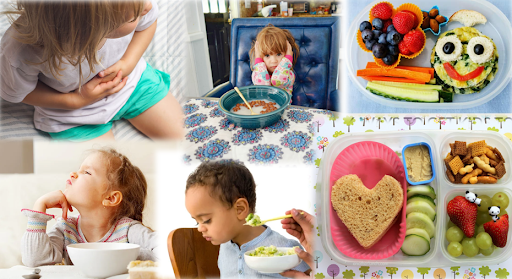
Last updated: January 2026
Quick Answer
Is loss of appetite common in children? YES - temporary reduced appetite is very common and usually not a cause for concern.
Most parents worry when their child refuses to eat or shows less interest in food. The truth is, children’s appetite naturally fluctuates based on growth spurts, teething, illness, or even just their mood. If your baby or child is active, happy, and growing well, occasional days of eating less are usually nothing to worry about. However, persistent loss of appetite (weeks, not days) combined with weight loss needs medical attention.
What Causes Loss of Appetite in Children?
Normal Causes (Usually Nothing to Worry About):
For Babies 7-12 Months:
-
Teething - Sore gums make eating uncomfortable
-
Starting solids - Baby is adjusting to new tastes and textures
-
Developmental milestones - More interested in crawling/walking than eating
-
Growth slowdown - After the rapid growth of first 6 months, appetite decreases naturally For Toddlers 1-3 Years:
-
Neophobia - Fear of new foods (very common at this age!)
-
Independence - Wanting to feed themselves, rejecting parental help
-
Grazing on snacks - Too many biscuits, chips between meals
-
Too much milk/juice - Fills tummy, leaves no room for food
-
Distracted eating - TV, phone, toys during meals For Older Children:
-
School stress - New school, exams, social issues
-
Picky eating habits - Developed food preferences
-
Constipation (kabz) - Full bowel reduces appetite
-
Emotional issues - Anxiety, changes at home
Medical Causes (May Need Doctor’s Attention):
- Viral infections - Common cold, fever, throat infection
- Intestinal worms - Very common in Indian children
- Anemia (low iron) - Causes fatigue and poor appetite
- Constipation - Pet dard and bloating reduce hunger
- Allergies or food intolerances - Discomfort after eating certain foods
- Gastric issues - Acidity, gas, GERD
- Medications - Some medicines reduce appetite as a side effect
Symptoms to Watch For
Signs That Appetite Loss May Need Attention:
- Not eating properly for more than 2 weeks
- Weight loss or failure to gain weight
- Child seems tired, weak, or less playful
- Pale skin (could indicate anemia)
- Swollen belly with poor appetite (could be worms)
- Pet dard (stomach pain) regularly
- Fever that doesn’t go away
- Refusing even favorite foods
- Difficulty swallowing or pain while eating
- Changes in potty (diarrhea or constipation)
Home Remedies to Improve Appetite (Bhook Badhane Ke Upay)
Dietary Changes:
- Small, Frequent Meals
- 5-6 small meals instead of 3 big ones
- Less overwhelming for picky eaters
- Always have healthy snacks ready
- Reduce Milk Intake
- Limit to 2 cups (400ml) daily for toddlers
- Milk fills tummy, reduces hunger for solids
- Don’t give milk just before meals
- Cut Down on Juices and Sugary Drinks
- These fill the stomach with empty calories
- Offer water instead
- If giving juice, dilute and limit quantity
- Make Food Appealing
- Colorful plates with variety
- Fun shapes and presentations
- Let child help in cooking/preparation
Traditional Indian Appetite Boosters:
Note: The traditional remedies below (ajwain, ginger, pudina, chyawanprash, hing, saunf) are widely used in Indian homes, but have no proven benefit for appetite. Discuss with your pediatrician before using, and never give anything by mouth other than breast milk or formula to a baby under 6 months.
- Ajwain (Carom Seeds)
- Add to parathas, rotis
- Make ajwain water (boil, cool, strain)
- Traditionally used for digestion
- Ginger (Adrak)
- Add to dal, sabzi, or as ginger water
- Stimulates digestive juices
- 1/4 tsp grated ginger with honey (for kids 1+)
- Pudina (Mint)
- Add to curd, chaas, lemonade
- Freshens taste and aids digestion
- Mint chutney with meals
- Chyawanprash
- Traditional appetite booster
- 1/2 to 1 teaspoon daily (for kids 2+)
- Brands: Dabur, Zandu, Baidyanath
- Hing (Asafoetida)
- Add to dal and sabzi
- Helps with gas and improves appetite
- Especially good for babies starting solids
- Saunf (Fennel Seeds)
- Give after meals to aid digestion
- Saunf water for babies
- Helps reduce gas and bloating
Lifestyle Changes:
- Fixed Meal Times
- Same time every day builds routine
- Body learns when to expect food
- Don’t let child graze all day
- No Screen Time During Meals
- TV/phone distracts from eating
- Child doesn’t recognize hunger/fullness cues
- Make mealtime family time
- Increase Physical Activity
- Active children are hungrier
- Outdoor play before meals
- Limit sitting/screen time
- Make Mealtimes Pleasant
- No pressure, no forcing
- Don’t threaten or bribe
- Positive, calm environment
When to See a Doctor
Seek immediate care if:
-
Child is losing weight rapidly
-
Signs of dehydration (dry lips, less urination, no tears)
-
High fever that won’t come down
-
Severe pet dard (stomach pain)
-
Blood in vomit or stool
-
Child is extremely weak or lethargic
-
Difficulty breathing or swallowing Schedule an appointment if:
-
Appetite loss continues more than 2-3 weeks
-
Child is not gaining weight as expected
-
You suspect intestinal worms
-
Child looks pale (possible anemia)
-
Recurring stomach problems
-
Appetite loss after starting new medication
-
Behavioral changes along with poor appetite
Treatment Options
What doctors typically recommend based on cause:
- For Worms:
- Deworming medicine (e.g. Albendazole)
- Generally recommended every 6 months from 1 year of age, but your doctor decides the right dose and age (a lower dose is used under 2 years)
- Give only under your pediatrician’s guidance
- For Anemia:
- Iron supplements
- Iron-rich foods (jaggery, spinach, pomegranate, dates)
- Vitamin C to improve iron absorption
- For Constipation:
- Stool softeners if needed
- Dietary changes (more fiber, water)
- Treating kabz often improves appetite
- For GERD/Acidity:
- Antacids or acid reducers
- Dietary modifications
- Smaller, more frequent meals
- Appetite Stimulants:
- Some doctors may prescribe an appetite-stimulant syrup, but only when truly needed and only on a prescription
- These are not routinely recommended and are never a substitute for finding the underlying cause
- Should be used short-term and strictly under your pediatrician’s guidance
Foods That Increase Appetite
| Food | How It Helps | How to Give |
|---|---|---|
| Curd/Yogurt | Probiotics improve digestion | With lunch/dinner, with mint |
| Peanuts | Increases metabolism | As snack, in chutney |
| Ajwain | Stimulates digestive enzymes | In paratha, as water |
| Ginger | Promotes appetite | In dal, sabzi |
| Pomegranate | Rich in iron, improves appetite | As fruit, juice |
| Dates (Khajoor) | Iron, energy, stimulates hunger | 2-3 daily as snack |
| Almonds | Healthy fats, zinc | Soaked and ground |
What’s Normal Appetite By Age?
| Age | Typical Eating Pattern |
|---|---|
| 7-9 months | 2-3 meals + breast milk/formula, still learning to eat |
| 10-12 months | 3 meals + 1-2 snacks + milk, may be choosy |
| 1-2 years | Appetite decreases from infancy (normal!), grazing common |
| 2-3 years | Very picky phase, may eat same food repeatedly |
| 3-5 years | Appetite increases, still has preferences |
| 5+ years | More consistent eating, peer influence begins |
FAQs
Q: My 10-month-old suddenly stopped eating solids - is this normal?
A: Yes, very common! This can happen due to teething, a mild illness, or just developmental changes. Keep offering but don’t force. Continue breast milk/formula. If it lasts more than a week or baby seems unwell, consult your pediatrician.
Q: Should I give appetite syrup (like Practin)?
A: Appetite syrups should only be used if prescribed by a doctor. They are not a long-term solution. First, try dietary changes, fixing meal routines, and ruling out underlying causes. Medicine should be last resort.
Q: My toddler only drinks milk and refuses food - what should I do?
A: This is very common! Milk is filling and children often prefer it. Gradually reduce milk to 2 cups daily. Don’t give milk 1-2 hours before meals. Make food interesting and offer when child is genuinely hungry.
Q: How do I know if my child has worms?
A: Signs include: poor appetite despite looking okay, itching around bottom (especially at night), pet dard, and sometimes visible worms in stool. Ask your pediatrician about deworming - it is generally recommended every 6 months from 1 year of age, with the dose and timing decided by your doctor.
Q: Is it okay if my child eats very little but seems healthy and active?
A: If your child is growing well (check growth chart with doctor), active, and meeting milestones, eating less may just be their pattern. Children have smaller stomachs and varying appetites. Trust their hunger cues rather than forcing a certain quantity.
Q: Can constipation cause loss of appetite?
A: Absolutely! When the belly is full of stool, there’s no room or desire for food. If your child is constipated (hard potty, less than 3 times a week), treating the kabz often brings back appetite.
This article was reviewed by Babynama Pediatricians. For personalized advice about your child’s appetite, consult with Babynama’s pediatric experts on WhatsApp.
Disclaimer: This article is for general information for parents in India and is not a substitute for professional medical advice. Dosing, deworming, and vaccine guidance follow IAP/WHO recommendations but vary by child — always consult your own pediatrician before starting any medicine or supplement. In an emergency, call 112 (national emergency) or 108 (ambulance), or go to your nearest hospital.
Need personalized guidance? Book a consultation with our pediatricians or explore our Care Plans for 24/7 expert support!
Related Tools
Starting Solids? We Can Help!
Expert-guided nutrition plans for your baby.
Explore Nutrition Program