Quick Answer: Key Nutrients at a Glance
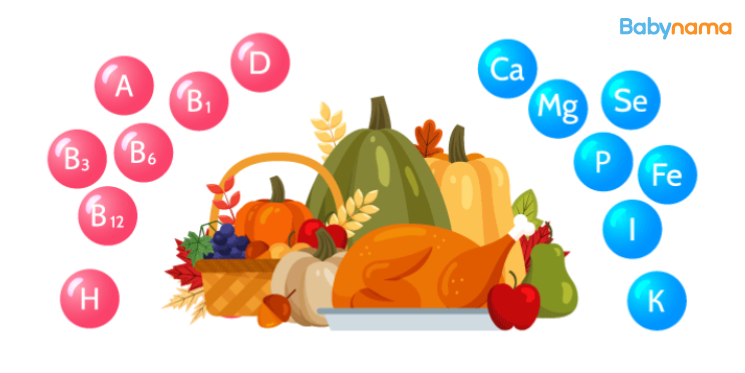
| Nutrient | Why it matters | ICMR requirement (pregnancy) | Top Indian sources |
|---|---|---|---|
| Folate | Neural tube defects prevention | 570 mcg/day | Methi, palak, fortified atta |
| Iron | Blood production, oxygen to baby | RDA ~27 mg/day; Anemia Mukt Bharat / WHO supplement 60 mg elemental | Ragi, dal, green leafy veg + Vitamin C |
| Calcium | Fetal bone development | 1,000 mg/day | Ragi, dahi, paneer, til |
| Protein | Fetal growth, placenta | ~68–69 g/day (3rd trimester) | Dal, paneer, eggs, chicken, dahi |
| DHA | Brain and eye development | ~200 mg/day | Fatty fish, walnuts, DHA supplement |
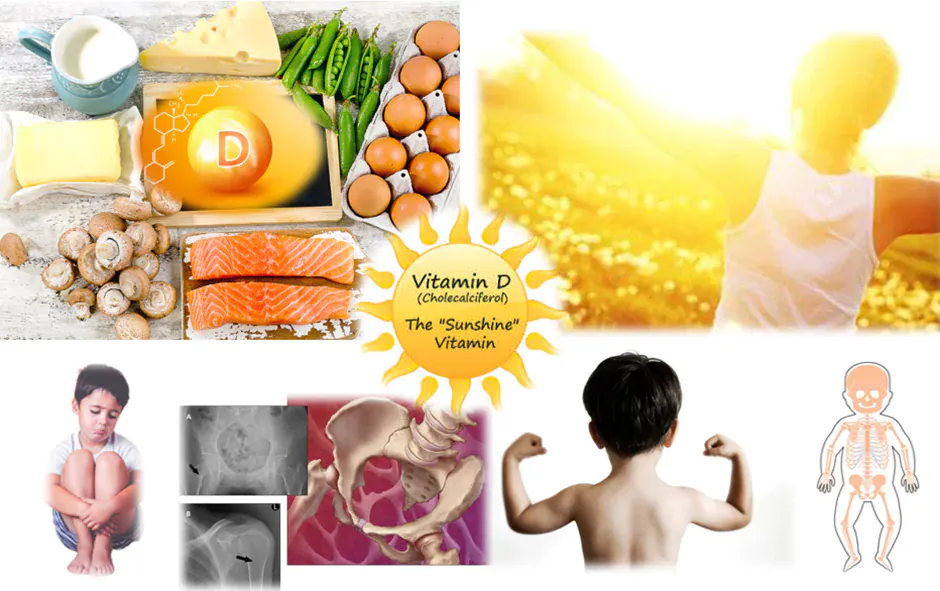
| Vitamin D | Calcium absorption, immune function | 600 IU/day | Fortified milk, 15–20 min sun, supplement |
| B12 | Neurological development | 2.45 mcg/day | Dahi, paneer, eggs, meat; supplement if vegan |
| Iodine | Thyroid, brain development | 250 mcg/day | Iodised salt (use it) |
Nutrition during pregnancy is not about eating for two — it is about eating better. Total extra calories needed are modest: roughly 300 extra calories per day in the second and third trimesters. What matters far more than quantity is quality.
First Trimester: Folate, Nausea, and the Foundation
Folate is the most critical nutrient of the first trimester — and before it
Neural tube closure (the formation of the spine and brain) happens in the first 28 days after conception — often before a woman even knows she is pregnant. This is why folate supplementation must begin before conception, not just once you get a positive test.
ICMR-NIN 2020 recommends: the folate RDA rises to 570 mcg/day in pregnancy. In practice, the Anemia Mukt Bharat programme supplies a daily Iron Folic Acid (IFA) tablet containing 500 mcg folic acid (with 60 mg elemental iron) from the second trimester, and 400 mcg folic acid daily is advised for all women planning pregnancy.
Indian dietary sources of folate:
- Methi (fenugreek leaves): 140 mcg per 100g cooked
- Palak (spinach): 105 mcg per 100g cooked
- Rajma: 130 mcg per 100g cooked
- Moong dal: 159 mcg per 100g cooked
- Fortified wheat flour (chakki atta): 100 mcg per 100g (varies by brand)
- Green peas (matar): 65 mcg per 100g cooked
Supplement anyway. Food folate alone is not reliable enough due to cooking losses and absorption variability. A folic acid supplement is non-negotiable in the first trimester.
Managing nausea while staying nourished
Morning sickness affects 70–80% of pregnant women in the first trimester. For most, it is more accurately called all-day sickness. Tips that actually help:
- Eat small, frequent meals — an empty stomach worsens nausea.
- Eat something bland immediately on waking — keep dry khakra, roasted chana, or plain roti at the bedside.
- Ginger genuinely works — ginger tea, adrak in warm water with lemon, or ginger capsules (250 mg 4 times daily). This is one of the few food-based remedies with solid clinical evidence.
- Cold foods are often better tolerated than hot — the smell of cooking is a major trigger.
- Avoid spicy, oily foods during peak nausea (which often contradicts Indian food culture — give yourself permission).
- Stay hydrated — sip water, coconut water, or nimbu paani between meals, not with meals.
When to seek help: If you cannot keep any food or fluid down for 24 hours, are losing weight, or feel faint — this is hyperemesis gravidarum. You need IV fluids and antiemetics. Do not push through it.
First trimester priorities beyond folate
- Continue your pre-pregnancy diet broadly
- Add foods rich in B6 (helps with nausea too): banana, potato, chicken
- Avoid alcohol completely — no safe level has been established
- Avoid raw/undercooked meat, unpasteurised cheeses, raw sprouts
Second Trimester: Iron, Calcium, and Growth
The second trimester is when the baby grows the most and when maternal blood volume increases by 40–50%. Iron demand spikes.
Iron: 60 mg elemental iron per day (supplementation)
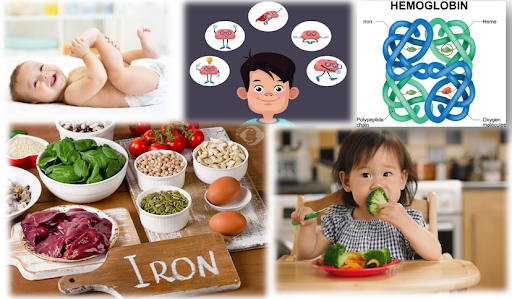
A point of confusion worth clearing up: the ICMR-NIN 2020 dietary RDA for iron in pregnancy is about 27 mg/day. The 60 mg elemental iron figure is the WHO and National Health Mission supplementation dose routinely prescribed in Indian antenatal care to prevent and treat anaemia — it is not the dietary requirement. To put the supplement in context: a standard iron tablet prescribed in India typically contains 100 mg ferrous sulphate, which provides approximately 20 mg elemental iron, which is why doctors often prescribe higher-dose preparations or the standard 60 mg IFA tablet. Take iron only as prescribed by your own doctor.
Government scheme: Under the Anemia Mukt Bharat programme (National Health Mission), free IFA (Iron Folic Acid) tablets are provided at government health centres and anganwadis. The pregnancy tablet contains 60 mg elemental iron + 500 mcg folic acid, taken once daily from the second trimester through delivery and for 180 days postpartum.
Dietary iron sources (to complement supplements, not replace them):
- Ragi: 3.9 mg/100g (exceptional for a plant food)
- Masoor dal: 7.6 mg/100g cooked
- Palak + lemon: spinach + Vitamin C dramatically increases iron absorption
- Rajma, chana, chola: 4–7 mg/100g cooked
- Chicken: 1.3 mg/100g (well absorbed haem iron)
- Jaggery: 2.7 mg/100g (lower than claimed, but useful)
- Dried apricots and dates: 1.5–2 mg/100g
Do not take iron with tea or milk — both significantly reduce iron absorption. Take iron supplements 1–2 hours after tea, with Vitamin C-rich juice if possible.
Anaemia check: Get a haemoglobin test at your first antenatal visit, at 28 weeks, and at 36 weeks. Target: Hb above 11 g/dL. Below 10 g/dL requires treatment. Below 8 g/dL in late pregnancy is serious.
Calcium: 1,000 mg/day (ICMR-NIN 2020)
The baby’s skeleton is being built from your bones. If dietary calcium is insufficient, the body takes calcium from the mother’s bones to supply the baby — a process that, over time, increases fracture risk.
Indian sources:
- Ragi: 344 mg/100g — by far the best plant calcium source in India. Make it a weekly staple (ragi mudde, ragi dosa, ragi porridge).
- Til (sesame): 975 mg/100g. A tablespoon of til in your diet daily adds meaningful calcium. Use in chutney, as til ladoo, sprinkle on salad.
- Dahi: 120–150 mg per 100g (aim for 2 bowls daily)
- Paneer: 200–250 mg per 100g
- Milk: 120 mg per 100g (3 cups/day covers about 360 mg)
- Cooked greens (palak, methi, amaranth): 50–200 mg per 100g
Calcium supplement timing: If you are taking both iron and calcium supplements, do not take them together. Calcium inhibits iron absorption. Take iron in the morning, calcium in the evening.
Protein: ~68 g/day (third trimester)
This is higher than the non-pregnant requirement of ~46 g/day — ICMR-NIN 2020 adds about +9.5 g in the second trimester and +22 g in the third. Protein builds every cell of the baby’s body and the placenta.
Practical targets:
- 2 cups dal per day: approximately 16 g protein
- 1 bowl dahi: 5 g
- 2 eggs: 12 g
- 100g paneer: 18 g
- 100g chicken or fish: 22–25 g
Vegetarians reaching ~68 g/day consistently will need to eat a significant amount of dal, paneer, dahi, and legumes across every meal. This is achievable but requires intentional planning.
Third Trimester: DHA, GDM, and Preparing for Labour
DHA: 200 mg/day
DHA (docosahexaenoic acid) is an omega-3 fatty acid that is critical for fetal brain and retinal development. The brain’s rapid growth phase is in the third trimester and continues through the first 2 years.
Dietary sources:
- Fatty fish (rohu, catla, hilsa, salmon, sardines): 500–1,500 mg DHA per 100g — the best source
- Walnuts: 2.5 g total omega-3 per 28g (mostly ALA, which converts poorly to DHA)
- Flaxseeds (alsi): High in ALA but poor DHA conversion
- DHA-fortified eggs: 100–200 mg per egg
- DHA-fortified milk (available in India)
The problem for vegetarians and pescatarians who avoid fish: ALA from walnuts and flaxseed converts to DHA inefficiently (less than 5%). If you do not eat fish, an algae-based DHA supplement (not fish oil) provides DHA directly and is suitable for vegetarians.
Fish is excellent in pregnancy — just avoid high-mercury species: shark, swordfish, king mackerel, tile fish. Rohu, catla, hilsa (in moderation — hilsa has moderate mercury), pomfret, and small oily fish are safe.
If you have Gestational Diabetes (GDM)
GDM affects approximately 10–14% of pregnancies in India — higher than global averages. Management:
- Lower glycaemic index choices: Replace white rice with red/brown rice or daliya; pair rice with dal, sabzi, and protein to slow glucose spike.
- Portion control carbohydrates across 3 meals and 2–3 snacks — never skip meals.
- Prioritise protein at every meal — paneer, dahi, dal, eggs, chicken.
- Avoid juice, sugary drinks, sweet lassi, fruit in excess — fructose spikes blood glucose in GDM.
- Fruits: Guava, jamun, papaya (ripe, not raw), apple — lower glycaemic index. Avoid banana, mango, and grapes in large amounts.
- Monitor blood glucose as advised by your doctor (fasting and post-meal targets: fasting < 95 mg/dL, 1 hour post-meal < 140 mg/dL).
Well-controlled GDM substantially lowers the risk to your baby and is very manageable — but it still needs ongoing monitoring with your obstetrician and, in some cases, medication or insulin. Do not stop monitoring once your numbers look good.
Indian Superfoods for Pregnancy
These foods deserve daily or weekly place in a pregnant Indian woman’s diet:
Ragi (finger millet): The nutritional champion — iron, calcium, fibre, B vitamins. Make a ragi porridge for breakfast 3–4 times a week.
Amla (Indian gooseberry): The richest source of Vitamin C in the Indian kitchen. 100g fresh amla has 600 mg Vitamin C (10x an orange). Paired with iron-rich food, it dramatically increases iron absorption. Eat raw, as chutney, or as amla murabba (the sugar in murabba reduces vitamin C, but it is still useful).
Til (sesame): Calcium powerhouse. Also contains zinc, magnesium, and B vitamins. Add to chikki, laddoo, or dry-fry and sprinkle on food.
Moringa (drumstick leaves, sahjan patta): Exceptional source of iron, calcium, Vitamin A, and B vitamins. Moringa powder in curries, or drumstick leaves in sambar, provides meaningful nutrition. Do not use moringa supplements in high doses during pregnancy — the leaf in food is fine; concentrated supplements may have uterotonic properties.
Dahi: Calcium, protein, B12, and probiotics. Aim for 2 bowls (400g) daily. Evidence suggests probiotic intake in pregnancy reduces the baby’s risk of eczema and allergic disease.
Paneer: Easy protein and calcium for vegetarians. Home-made paneer from full-fat milk is the best.
Dal: The protein backbone of the Indian vegetarian diet. Moong dal is easiest to digest (important in first trimester); masoor is highest in iron; chana dal is high in folate.
Foods to Avoid in Pregnancy
Some of these are cultural practices in India that carry real risk:
Raw papaya (kachcha papaya): Contains papain and latex that can stimulate uterine contractions. Ripe papaya is safe and nutritious. Raw papaya pickle, salads, and chutneys should be avoided entirely during pregnancy.
Pineapple juice in large amounts: Contains bromelain, which in concentrated amounts may soften the cervix. The occasional serving of fresh pineapple is fine; large amounts of juice are not worth the risk.
High-mercury fish: As above — shark, swordfish, king mackerel. Limit tuna to once a week.
Unpasteurised dairy: Raw milk, soft cheeses made from raw milk (maachhan, some regional cheeses). Risk of Listeria, which causes miscarriage and preterm birth.
Raw sprouts: Moong sprouts, alfalfa, radish sprouts — their warm, moist growing conditions make bacterial contamination likely. Cook sprouts before eating during pregnancy.
Herbal supplements without medical clearance: Many “Ayurvedic” products marketed to pregnant women contain herbs that are contraindicated. Shatavari in food quantities is generally fine; concentrated supplements should be cleared with your doctor.
Alcohol: Zero safe amount. Fetal Alcohol Spectrum Disorder is entirely preventable.
Excess Vitamin A: Avoid liver more than once a week and avoid high-dose Vitamin A supplements (not beta-carotene, which is safe). Excess preformed Vitamin A is teratogenic.
Vegetarian Pregnancy: Specific Considerations
A vegetarian pregnancy is entirely achievable with planning. Vegan pregnancies require more active supplementation.
B12: The critical gap
Animal products are the only significant natural source of B12. Vegetarians who eat dairy get some — but often not enough during pregnancy when requirements increase. Vegans get essentially none from food.
Action: All vegetarian pregnant women should take a B12 supplement of at least 25 mcg/day (or a weekly high-dose of 1,000–2,000 mcg). The baby’s neurological development depends on it. B12 deficiency in the first year of life causes irreversible brain damage.
Iron without meat
Plant iron (non-haem) absorbs at 2–8% compared to 15–35% for haem iron. To close the gap:
- Pair every iron-rich meal with Vitamin C: dal with tomatoes, ragi with amla chutney, rajma with lemon
- Take iron supplements as prescribed (do not substitute with food alone)
- Never pair iron-rich foods with milk or tea
- Get haemoglobin checked every trimester
Protein combining
No single plant protein is “complete” (all essential amino acids) — but this does not matter across a day. Eat a variety: dal + rice (complementary proteins), dal + roti, rajma + rice. Indian traditional food naturally does this.
Calcium
Vegetarians who eat dairy regularly should be able to meet calcium needs through ragi + dahi + paneer + til. Vegans need a calcium supplement.
Omega-3 (DHA)
As above — ALA from walnuts and flaxseed does not reliably convert to DHA. Use an algae-based DHA supplement.
Weight Gain: IOM Guidelines
The amount of weight to gain depends on your pre-pregnancy BMI. These are IOM (Institute of Medicine) figures, used by Indian obstetricians:
| Pre-pregnancy BMI | Recommended total gain |
|---|---|
| Underweight (< 18.5) | 12.5–18 kg |
| Normal weight (18.5–24.9) | 11.5–16 kg |
| Overweight (25–29.9) | 7–11.5 kg |
| Obese (≥ 30) | 5–9 kg |
Most weight gain happens in the second and third trimester (approximately 0.4–0.5 kg/week for normal BMI). Very little is baby — a 3 kg baby, 1 kg placenta, 1 kg increased blood volume, 1–2 kg amniotic fluid, 1–2 kg breast tissue and uterus, 2–3 kg fat stores.
Supplements: When, What, How Much
| Supplement | When to start | Dose | Notes |
|---|---|---|---|
| Folic acid | At least 1 month before conception | 400 mcg pre-conception; 500 mcg once pregnant | Continue through first trimester minimum |
| Iron | From 14 weeks (T2), earlier if anaemic | 60 mg elemental iron/day | Government IFA tablets free at PHC |
| Calcium | From T2 | 500–1,000 mg/day supplemental | Do not take with iron |
| DHA | From T2 ideally | 200 mg/day | Algae-based for vegetarians |
| Vitamin D | Entire pregnancy | 400–600 IU/day | Higher if deficient |
| B12 | Entire pregnancy (vegetarians) | 25 mcg/day or 1,000 mcg weekly | Crucial for neurological development |
Government scheme: The PM POSHAN and ICDS programmes provide free IFA tablets and basic supplements to pregnant women at government health centres and anganwadi centres. These services are underutilised — if you are registered under any government scheme, collect your entitlements.
Frequently Asked Questions
Q: I am 6 weeks pregnant and having severe nausea. I can barely eat anything. Will my baby be harmed?
In the first trimester, the baby is very small and its nutritional demands are minimal. It draws from your body’s reserves. Focus on hydration and whatever calories you can keep down. The nausea typically improves at 12–14 weeks. If you cannot keep fluids down, see a doctor for antiemetics — hyperemesis gravidarum is a medical condition, not a willpower issue.
Q: Is it safe to eat fish during pregnancy?
Yes, and it is actually beneficial. Aim for 2–3 servings of low-mercury fish per week. Rohu, catla, pomfret, hilsa (in moderation), and sardines are safe. Avoid shark, swordfish, and king mackerel. Fish is the best source of DHA for brain development.
Q: I have been told not to eat cold things, papaya, and pineapple by my family. Are these real restrictions?
Raw papaya: real concern, avoid it. Ripe papaya: fine and nutritious. Large amounts of pineapple juice: best avoided. Cold foods, ice cream, cold water, refrigerated fruit: there is no scientific evidence that the temperature of food harms the baby. These are cultural beliefs without a known medical basis (the usual caveats about hygiene and pasteurisation still apply to any food).
Q: When should I start taking folic acid?
Ideally 1–3 months before you start trying to conceive. Neural tube defects occur before most women know they are pregnant. If you are already pregnant, start immediately — it is still beneficial throughout the first trimester.
Q: My haemoglobin is 9.5 g/dL at 20 weeks. How serious is this?
Below 11 g/dL is classified as anaemia in pregnancy. At 9.5 g/dL, you have moderate anaemia. You need treatment — likely higher-dose iron supplementation and possibly an injection (iron sucrose or ferric carboxymaltose). Do not self-treat with OTC supplements. See your obstetrician and start treatment promptly. Moderate anaemia increases risk of preterm birth and low birth weight.
General information for Indian parents, not a substitute for your pediatrician. In an emergency, call 112 or 108.