Quick Answer
“Week 1 pregnant” is a bit of a misnomer — you’re not actually pregnant yet. Pregnancy is dated from the first day of your last menstrual period (LMP), which means week 1 is the week of your period. Conception typically happens around week 2-3. Abhi koi baby nahi hai, but your body is already preparing the stage.
Baby Development at Week 1
There’s no baby yet. Here’s what’s actually happening:
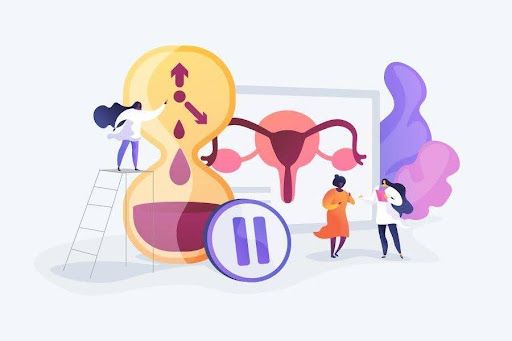
- Your uterine lining is shedding — this is your menstrual period
- Follicles in your ovaries are maturing — one will release an egg in about a week
- Your body is preparing fresh endometrium — the nutrient-rich lining where a fertilized egg will eventually implant
- Hormones (FSH) are rising — signaling your ovaries to prepare for ovulation
This is why doctors ask for your LMP date — it’s the starting point for calculating your due date, even though conception hasn’t happened.
Your Body at Week 1
You’re having your period. That’s it. No pregnancy symptoms yet because there’s no pregnancy.
Common Symptoms
| Symptom | What’s Happening | What Helps |
|---|---|---|
| Menstrual cramps | Uterus contracting to shed lining | Heat pad, light movement, pain relief if needed |
| Menstrual bleeding | Normal period — lasts 3-7 days | Track the first day — this becomes your LMP |
| Fatigue | Hormonal shifts during menstruation | Rest, iron-rich foods |
| Mood changes | Estrogen and progesterone at their lowest | Usually eases as your cycle progresses; see your doctor if low mood persists |
Why Does Pregnancy Start Before Conception?
Because ovulation dates are hard to pin down, but most women know when their last period started. So the medical world standardized dating from LMP. This means your “due date” is calculated as 40 weeks from your LMP — even though actual pregnancy (from fertilization) is about 38 weeks.
Nutrition This Week
If you’re trying to conceive (TTC), this is the time to build good habits. Your nutritional status before pregnancy matters just as much as during.
What to Prioritize
- Folic acid: 400 mcg/day — start NOW if you haven’t already. Neural tube defects happen in weeks 3-4, often before you know you’re pregnant
- Iron-rich foods — about 57% of Indian women aged 15–49 are anemic (NFHS-5, 2019–21). Eat ragi roti, palak dal, beetroot, gudh (jaggery), pomegranate
- Protein — dal, paneer, curd, eggs, rajma, chana
- Whole grains — jowar, bajra, ragi, brown rice over maida
- Hydration — 2-3 litres/day. Coconut water, nimbu paani, buttermilk
What to Avoid
- Alcohol — no safe amount if you’re trying to conceive
- Excess caffeine — limit to less than 200 mg/day
- Raw papaya in large amounts
- Smoking — even passive smoking affects fertility
- Unpasteurized dairy
When to Call Your Doctor
Week 1 is pre-pregnancy, but schedule a preconception visit if you’re actively trying. Your doctor should:
- Check your hemoglobin and thyroid (TSH)
- Review any medications you’re taking
- Confirm folic acid supplementation
- Discuss any chronic conditions (diabetes, PCOS, thyroid)
- Check rubella immunity
What’s Coming Up
- Week 2: Ovulation — your fertile window. This is when conception can happen
- Week 3: If sperm meets egg, fertilization occurs. The zygote begins its journey to the uterus
- Week 4: Implantation. You might notice light spotting. A home pregnancy test may turn positive
Aapke Sawaal (Common Questions)
Kya week 1 mein pregnancy test positive aa sakta hai?
Nahi. Week 1 mein toh conception hua hi nahi hai — yeh toh aapki period ka week hai. Pregnancy test positive tab aata hai jab hCG hormone banta hai, jo implantation ke baad hota hai (week 4 ke aas-paas). Patience rakhein.
Folic acid kab se shuru karna chahiye?
Ideally, conceive karne se 3 mahine pehle se. Agar abhi planning kar rahi hain toh aaj se hi start karein — 400 mcg daily. Yeh baby ke brain aur spinal cord ke development ke liye bahut zaroori hai. India mein chemist pe easily mil jaata hai.
Kya periods ke time exercise kar sakte hain?
Haan. Walking, yoga, aur light exercise zyadatar mahilaon ke liye theek hota hai. Agar cramps zyada hain toh rest le lein — complete bed rest ki zaroorat nahi hoti. Regular exercise fertility ke liye accha maana jaata hai. Lekin agar period mein bahut tez dard ho, bleeding bahut zyada ho, ya beech cycle mein dard rahe — toh apne doctor se zaroor milein.
General information for Indian parents, not a substitute for your pediatrician. In an emergency, call 112 or 108.