
Breastfeeding Pain: Causes and Solutions
Quick Answer: Breastfeeding should NOT be painful beyond the first few days! Initial sensitivity is normal, but ongoing pain - cracked nipples, burning, or breast pain - signals a problem that can be fixed. The most common cause is incorrect latch (baby not attaching properly). Other causes include thrush infection, blocked ducts, and mastitis. Don’t suffer silently - most breastfeeding pain is treatable within days. Get help and keep feeding your baby!
Is Breastfeeding Pain Normal?
What’s Normal vs. What’s a Problem
| Normal | NOT Normal - Needs Attention |
|---|---|
| Mild tenderness in first 3-5 days | Pain beyond day 7 |
| Brief discomfort at latch (few seconds) | Pain throughout the feed |
| Nipples look normal after feeding | Cracked, bleeding, or misshapen nipples |
| Pain improving daily | Pain getting worse |
| Tolerable discomfort | Dreading feeds due to pain |
Important: Nipple or breast pain is NOT a normal part of breastfeeding. If you feel pain, seek help - don’t wait!
Common Causes of Breastfeeding Pain
1. Poor Latch (Most Common Cause)
Why it hurts: When baby doesn’t attach properly, they suck mainly on the nipple instead of taking in the areola. This causes friction, pain, and damage.
Signs of poor latch:
-
Pain throughout the feed
-
Nipple looks flattened, creased, or lipstick-shaped after feeding
-
Clicking sounds during feeding
-
Baby seems frustrated, pulls off frequently
-
Cracked or bleeding nipples Solution:
-
Break the latch gently (insert finger in corner of mouth)
-
Ensure baby’s mouth is wide open before latching
-
Aim nipple toward roof of baby’s mouth
-
Baby should have more areola in mouth below nipple than above
-
Lips should be flanged outward (like fish lips)
-
Get a lactation consultant to assess latch
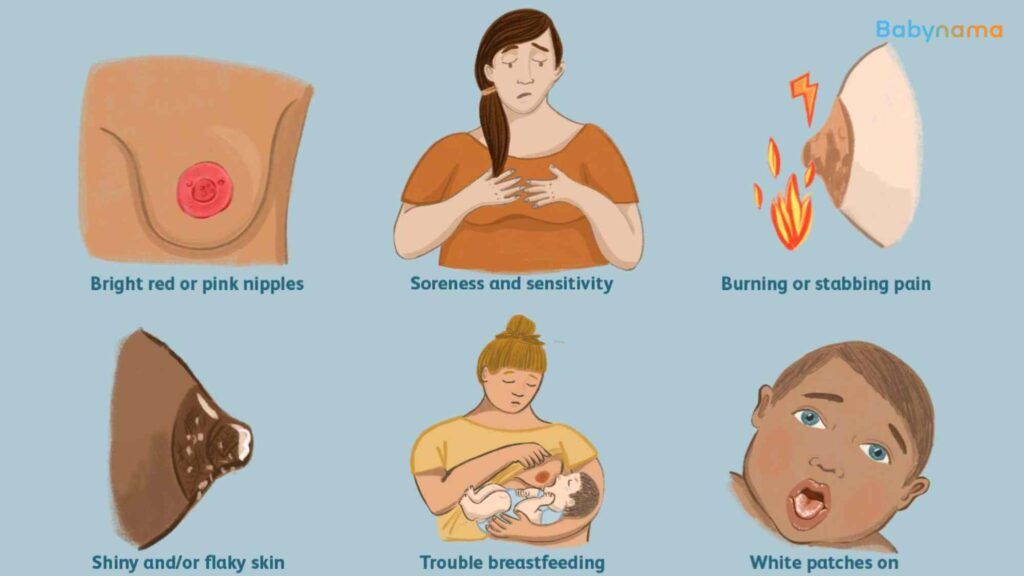
2. Breast and Nipple Thrush (Fungal Infection)
What it is: A yeast infection (same fungus that causes vaginal thrush) that can affect nipples and breast tissue.
Signs of thrush:
-
Burning, stinging pain during AND after feeds
-
Pain doesn’t improve with better latch
-
Nipples appear pink, shiny, or flaky
-
Shooting, stabbing pain deep in breast
-
Itching
-
Baby may have white patches in mouth (oral thrush) Solution:
-
See doctor for antifungal treatment
-
Both mother AND baby need treatment
-
Apply antifungal cream (nystatin, clotrimazole, miconazole) to nipples after each feed
-
Oral antifungal (fluconazole) may be needed
-
Sterilize all pump parts, pacifiers, bottle nipples
-
Wash bras in hot water
-
Change breast pads frequently
3. Blocked Milk Duct
What it is: Milk blocks a duct, creating a painful lump.
Signs:
-
Hard, tender lump in one area of breast
-
Pain in one specific spot
-
May feel warm
-
Usually one breast affected Solution:
-
Keep feeding frequently, starting with affected breast
-
Massage lump gently toward nipple while feeding
-
Apply warm compress before feeds
-
Point baby’s chin toward the lump
-
Pump after feeds if needed
-
Avoid tight bras
Warning: Untreated blocked duct can become mastitis!
4. Mastitis (Breast Infection)
What it is: Infection of breast tissue, often from untreated blocked duct or bacteria entering through cracked nipples.
Signs:
-
Red, wedge-shaped area on breast
-
Hot, swollen, very painful
-
Fever above 38.5°C (101°F)
-
Flu-like symptoms (chills, body aches)
-
Feeling unwell Solution - Seek medical help TODAY:
-
You need antibiotics
-
Complete the full course
-
Keep breastfeeding (your milk is safe!)
-
Take paracetamol/ibuprofen for pain
-
Rest and stay hydrated
-
Apply warm compress before feeds, cold after
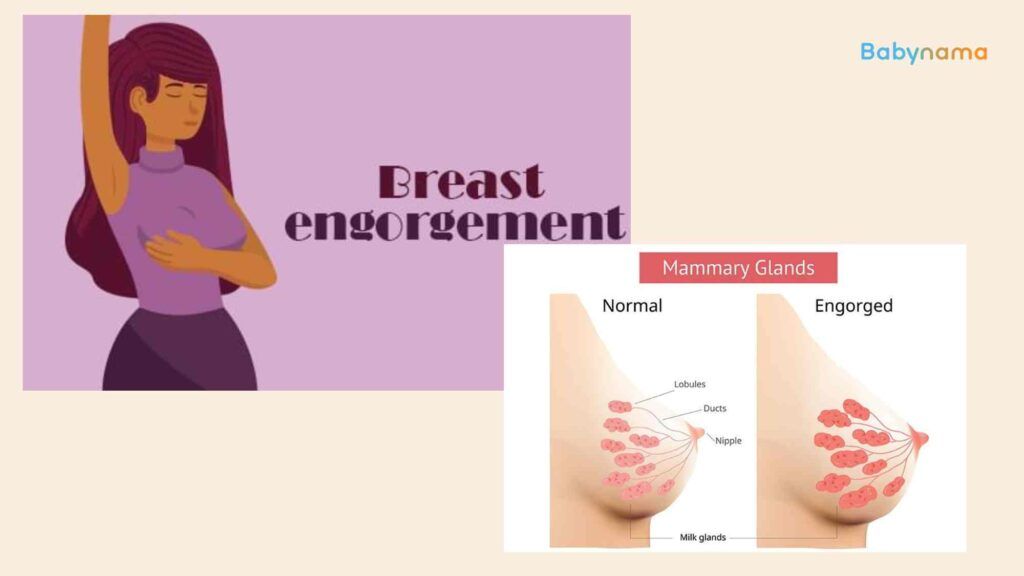
5. Breast Engorgement
What it is: Breasts become overly full, hard, and painful, usually when milk “comes in” around day 3-5.
Signs:
-
Both breasts swollen and hard
-
Painful, tight feeling
-
Nipples may flatten due to swelling
-
Difficulty latching baby Solution:
-
Feed frequently (every 2-3 hours)
-
Hand express a little before latching to soften areola
-
Cold compresses after feeds
-
Supportive (not tight) bra
-
Will resolve in 24-48 hours with frequent feeding
6. Nipple Vasospasm (Raynaud’s)
What it is: Blood vessels in nipple constrict, causing color change and pain, often triggered by cold.
Signs:
-
Nipple turns white, then blue, then red
-
Burning, throbbing pain after feeding
-
Worse in cold weather
-
Pain comes in waves Solution:
-
Keep nipples warm (cover immediately after feeding)
-
Avoid cold exposure
-
Warm compress after feeds
-
Avoid caffeine and smoking
-
See doctor - medication may help
Home Remedies for Sore Nipples
Immediate Relief
| Remedy | How to Use |
|---|---|
| Expressed breast milk | Apply to nipples after each feed, air dry |
| Lanolin cream | Pure lanolin (Lansinoh) - no need to wash off before feeding |
| Coconut oil | Natural moisturizer, safe for baby |
| Air drying | Let nipples air dry after feeds |
| Breast milk compresses | Soak gauze in expressed milk, apply to nipples |
What NOT to Do
-
Don’t use soap on nipples (dries them out)
-
Don’t rub nipples dry with towel
-
Don’t wear wet breast pads
-
Don’t use alcohol or perfumed products on nipples
-
Don’t stop breastfeeding unless advised by doctor
Blood in Breast Milk: Is It Safe?
Good news: Small amount of blood in breast milk due to nipple trauma is NOT harmful to your baby. You can continue breastfeeding!
When to stop temporarily:
-
If you have hepatitis B or C (consult doctor)
-
If the pain is unbearable What to do:
-
Fix the underlying cause (usually latch)
-
Continue feeding to heal faster
-
Express and discard only if medically advised
When to See a Doctor
See a Doctor IMMEDIATELY If:
- Fever above 38.5°C (101°F)
- Red, hot area on breast with flu-like symptoms
- Pus or unusual discharge from nipple
- Severe pain that prevents feeding
- Signs of infection in cracked nipples (yellow crust, spreading redness)
Schedule an Appointment If:
- Pain persists beyond first week
- Nipples not healing despite trying solutions
- You suspect thrush
- Baby not gaining weight
- Pain is getting worse, not better
Frequently Asked Questions
Q: How long should breastfeeding pain last?
A: Initial tenderness should improve significantly by day 5-7. Any pain beyond the first week indicates a problem that needs addressing.
Q: My nipples are cracked and bleeding. Should I stop breastfeeding?
A: No! Continue breastfeeding to promote healing. Fix the latch, use lanolin cream, and express breast milk on nipples. Stopping can lead to engorgement and reduced supply.
Q: Will using a nipple shield help with pain?
A: Nipple shields can provide temporary relief but should be used under lactation consultant guidance. They don’t fix the underlying problem and can reduce supply.
Q: I’ve been told pain is normal - should I just push through?
A: No! This is outdated advice. Pain indicates a problem. Pushing through without fixing the cause leads to more damage and may end your breastfeeding journey prematurely.
Q: Can I use Dettol/antiseptic on sore nipples?
A: No! Avoid antiseptics, alcohol, and harsh products. Use expressed breast milk, lanolin, or coconut oil only.
Key Takeaways
- Pain is NOT normal - Breastfeeding should be comfortable after the first few days
- Poor latch is the main cause - Get it checked by a lactation consultant
- Don’t suffer silently - Most problems are fixable quickly
- Keep feeding - Unless medically advised, continue breastfeeding
- Watch for infection signs - Fever + breast pain = see doctor TODAY
- Get help early - The sooner you address pain, the faster you’ll heal
This article was reviewed by pediatricians and lactation consultants at Babynama. Last updated: January 2026
Experiencing breastfeeding pain? Chat with our lactation experts on Babynama - we can help identify the cause and guide you to relief!
Need personalized guidance? Book a consultation with our pediatricians or explore our Care Plans for 24/7 expert support!
Related Tools
Need Expert Breastfeeding Support?
Get personalized guidance from certified lactation consultants.
Explore Breastfeeding Program