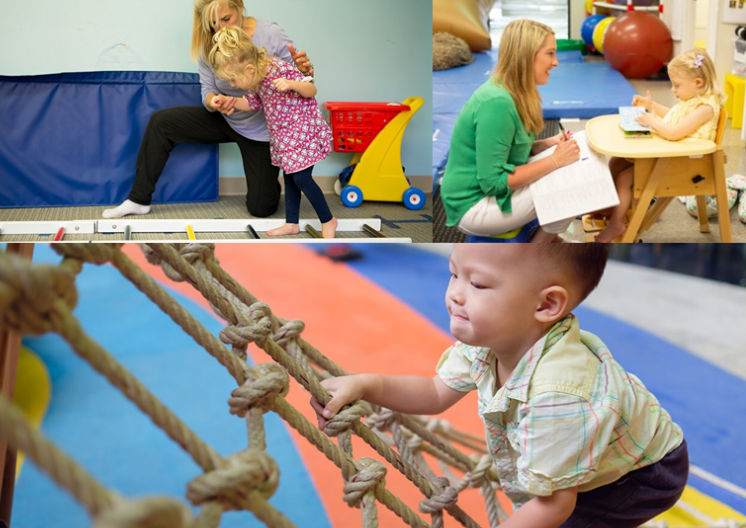
Quick Answer: Is This Normal?
Some clumsiness is normal in growing children, but persistent coordination difficulties deserve attention. If your bachcha regularly struggles with physical activities, frequently trips or falls, or avoids games other children enjoy, it’s worth exploring further. Many children with coordination problems are very intelligent - their brains just process movement differently. With the right support, they can thrive!
What is Coordination?
Coordination is the ability to smoothly and efficiently move the body to complete tasks. This includes:
Gross Motor Coordination: Large body movements
-
Walking, running, jumping
-
Climbing, catching, throwing
-
Sports and playground activities Fine Motor Coordination: Small, precise movements
-
Writing and drawing
-
Buttoning clothes, using zippers
-
Using utensils, scissors When coordination is affected: Children may appear clumsy, struggle with everyday tasks, and feel frustrated when things that seem easy for others are hard for them.
Why This Happens
Normal Developmental Factors:
- Growth spurts - Body changes faster than brain adjusts
- Still learning - New skills take time to master
- Distraction - Young children aren’t always focused
- Individual pace - Some children develop motor skills later
When It’s More Than Normal:
Developmental Coordination Disorder (DCD/Dyspraxia)
-
A recognized condition affecting motor coordination
-
Not caused by low intelligence or laziness
-
Brain processes movement information differently
-
Affects about 5-6% of school-age children Other Possible Causes:
-
Vision problems affecting depth perception
-
Sensory processing differences
-
Low muscle tone (hypotonia)
-
Autism spectrum conditions
-
ADHD (attention affects movement planning)
Signs by Age
Toddlers (1-3 years):
- Not walking independently by 18 months (see a doctor if your child is not walking by this age)
- Falls much more than other toddlers
- Difficulty with simple climbing
- Trouble using spoon or cup
Preschoolers (3-5 years):
- Difficulty learning to pedal tricycle
- Can’t catch large balls
- Trouble drawing simple shapes
- Struggle with buttons, zippers
- Avoids playground equipment
- Falls often while running
School-Age (5-10 years):
- Very messy handwriting despite practice
- Difficulty learning to tie shoelaces
- Struggles in PE class/sports
- Trouble with scissors, crafts
- Difficulty organizing belongings
- Avoids activities requiring coordination
- Gets tired easily during physical activity
Teenagers (10+ years):
- Ongoing handwriting difficulties
- Struggles with sports despite practice
- Poor at activities requiring sequenced movements
- May avoid practical subjects requiring manual skills
- Frustration with fine motor tasks
When to Worry (Red Flags)
Consult your pediatrician if:
-
Your child is significantly behind peers in motor skills
-
They avoid physical activities due to difficulty
-
Coordination problems affect school performance
-
Daily self-care tasks are very difficult
-
Your child expresses frustration about their abilities
-
Falls and accidents are very frequent Also watch for:
-
Weakness on one side of body
-
Very stiff or very floppy muscles
-
Losing skills they previously had
-
Balance problems with no apparent cause
What You Can Do
At Home Activities:
For Gross Motor Skills:
-
Dancing to music (copy movements)
-
Yoga for kids (simple poses)
-
Balloon games (easier than balls)
-
Obstacle courses indoors
-
Swimming (great full-body exercise)
-
Cycling with training wheels For Fine Motor Skills:
-
Playing with playdough/clay
-
Threading beads or pasta
-
Building with blocks (Lego)
-
Coloring and drawing
-
Cutting practice with safe scissors
-
Helping in kitchen (stirring, pouring) Traditional Indian Games:
-
Pitthu garam (stone stacking - builds coordination)
-
Gilli-danda (hand-eye coordination)
-
Kanche (marbles - fine motor)
-
Stapu/hopscotch (balance and hopping)
-
Passing games in circle
Daily Life Strategies:
Make tasks easier:
-
Use Velcro shoes instead of laces
-
Loose clothing with easy closures
-
Large grip pencils/crayons
-
Allow extra time for tasks
-
Break activities into small steps Build confidence:
-
Focus on what they CAN do
-
Celebrate effort, not just success
-
Avoid comparisons with siblings/peers
-
Find activities they enjoy and excel at
-
Connect them with other children who understand
Professional Support
Occupational Therapy (OT):
- Focuses on fine motor skills and daily activities
- Helps with handwriting, self-care, coordination
- Teaches strategies to manage challenges
- Usually available at children’s hospitals, private clinics
Physical Therapy (PT):
- Focuses on gross motor skills, strength, balance
- Helps with walking, running, sports skills
- Builds core strength and stability
- May be available through schools or clinics
What to Expect:
- Initial assessment of your child’s abilities
- Personalized therapy goals
- Activities to practice at home
- Gradual improvement over weeks/months
- Regular progress reviews
Government Resources in India:
- District Early Intervention Centers (DEIC)
- Special education services through schools
- Rehabilitation centers under state programs
- NIMHANS and regional institutes
Expert Insight: As our pediatricians remind parents: ‘Milestones have wide ranges. Focus on progress, not comparison.‘
FAQs
Q: Is my child just lazy or is there really a problem?
A: Children with coordination difficulties are NOT lazy - they’re actually working much harder than others to complete tasks! If your child struggles despite trying, avoids activities, or expresses frustration, there may be an underlying difficulty that deserves professional evaluation.
Q: Will therapy “cure” coordination problems?
A: Therapy teaches strategies and builds skills, but coordination difficulties often persist to some degree. However, children learn to manage challenges effectively and can achieve great success in life. Many adults with DCD have successful careers - they just learned alternative approaches.
Q: Can coordination problems affect schoolwork?
A: Yes, handwriting difficulties are common and can affect speed and legibility. Some schools offer accommodations like extra time, keyboard use, or modified PE requirements. Talk to your child’s school about support options.
Q: My child is smart but clumsy. Is that unusual?
A: Not at all! Coordination difficulties are independent of intelligence. Many highly intelligent children have DCD. Their brains simply process motor information differently. Support them in their areas of strength while addressing coordination challenges.
Q: Should I push my child to practice sports if they struggle?
A: Forced practice without support can harm self-esteem. Instead, find activities they enjoy (swimming, cycling, dancing), work with a therapist on underlying skills, and let them opt out of competitive sports if desired. Non-competitive activities can build skills without pressure.
This article was reviewed by a pediatric occupational therapist. Last updated: January 2025
Need personalized guidance? Book a consultation with our pediatricians or explore our Care Plans for 24/7 expert support!
General information for Indian parents, not a substitute for your pediatrician. In an emergency, call 112 or 108.