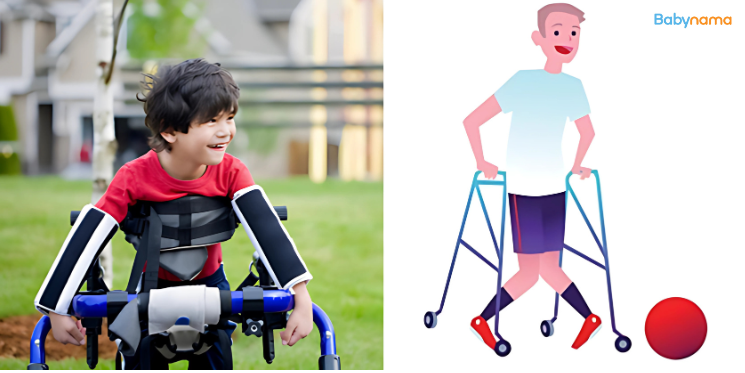
Quick Answer: What is Cerebral Palsy and Should I Be Worried?
Cerebral Palsy (CP) is a group of movement disorders caused by brain damage during development. If your child has been diagnosed with CP, early intervention and therapy can significantly improve outcomes. While there is no cure, children with CP can lead fulfilling lives with proper support and treatment.
Reassurance: Many children with mild CP grow up to walk, communicate, and live independently. Early diagnosis and consistent therapy are key to maximizing your child’s potential.
What is Cerebral Palsy?
Cerebral Palsy (CP) affects movement, muscle tone, and coordination due to damage to the developing brain. It’s the most common motor disability in childhood.
Types of Cerebral Palsy
| Type | What It Affects | Characteristics |
|---|---|---|
| Spastic CP (most common) | Muscle stiffness | Tight muscles, jerky movements |
| Dyskinetic CP | Muscle control | Uncontrolled, involuntary movements |
| Ataxic CP | Balance and coordination | Shaky movements, unsteady walk |
| Mixed CP | Combination | Features of multiple types |
Early Signs of CP by Age
0-6 Months
- Baby feels floppy or stiff when held
- Head lags when pulled to sitting position
- Difficulty sucking/feeding
- Doesn’t respond to sounds
- Crossed or scissored legs when lifted
6-12 Months
- Not sitting independently by 9 months
- Only uses one side of body to reach
- Doesn’t crawl by 12 months
- Can’t bring hands together
- Doesn’t put weight on legs
12+ Months
- Not walking by 18 months
- Walks on toes
- Tight or stiff muscles
- Favors one hand before 12 months (unusual)
- Speech delay
Causes and Risk Factors
Before Birth
- Infections during pregnancy (TORCH - Toxoplasmosis, Rubella, CMV, Herpes)
- Maternal fever during pregnancy
- Rh incompatibility (blood group mismatch)
- Multiple births (twins, triplets)
- Premature birth (before 37 weeks)
- Low birth weight (under 2.5 kg)
During Birth
- Prolonged or difficult labor
- Umbilical cord problems (cord around neck)
- Lack of oxygen (birth asphyxia)
After Birth
- Severe jaundice (untreated high bilirubin)
- Brain infections (meningitis, encephalitis)
- Head injury
- Seizures in infancy
Managing Fever in Children with CP
Children with CP may be more vulnerable during illness. Managing fever properly is important:
Paracetamol Dosage
Paracetamol is dosed by weight, not age: 15 mg/kg per dose, every 4-6 hours as needed, with a maximum of 60 mg/kg in 24 hours (and never more than 4 doses in a day). Do not give paracetamol to a baby under 3 months without first speaking to a doctor.
| Child’s Weight | Dose (15 mg/kg) | Calpol Drops (100mg/ml) | Calpol Syrup (120mg/5ml) |
|---|---|---|---|
| 5-6 kg | 75-90 mg | 0.75-0.9 ml | 3-3.5 ml |
| 6-8 kg | 90-120 mg | 0.9-1.2 ml | 3.5-5 ml |
| 8-10 kg | 120-150 mg | 1.2-1.5 ml | 5-6 ml |
| 10-12 kg | 150-180 mg | - | 6-7.5 ml |
| 12-15 kg | 180-225 mg | - | 7.5-9 ml |
| 15-20 kg | 225-300 mg | - | 9-12.5 ml |
Always confirm your child’s exact dose with your pediatrician, especially for children with CP who may have feeding or swallowing difficulties.
When to Worry About Fever in CP
In a baby under 3 months, ANY fever of 100.4°F (38°C) or higher is a same-day emergency — go to a doctor or hospital immediately.
For all children, seek immediate care if:
- Fever above 103°F (39.4°C)
- Seizure or convulsion
- Difficulty breathing
- Feeding problems or dehydration
- Unusual drowsiness or irritability
- Fever with rash
Treatment Options for CP
Therapies (Most Important!)
| Therapy | Purpose | Frequency |
|---|---|---|
| Physiotherapy | Improve strength, balance, mobility | 3-5 times/week |
| Occupational Therapy | Daily living skills, fine motor | 2-3 times/week |
| Speech Therapy | Communication, swallowing | 2-3 times/week |
Start early! The first 3 years are critical for brain development.
Medications
- Muscle relaxants: Reduce stiffness (Baclofen, Tizanidine)
- Botox injections: For localized muscle tightness
- Anti-seizure drugs: If epilepsy present (many CP children have seizures)
Surgical Options
- Orthopedic surgery for bone/muscle problems
- Selective Dorsal Rhizotomy (SDR) for spasticity
- Hip surgery to prevent dislocation
Assistive Devices
- Orthotics (braces) for legs/feet
- Walkers and wheelchairs
- Communication devices
Home Care Tips for CP
- Consistent therapy practice - Do exercises at home daily
- Proper positioning - Prevent contractures with correct seating
- Nutrition - Many CP children struggle with eating; consult dietitian
- Regular stretching - Prevents muscle tightening
- Play-based learning - Make therapy fun
- Support groups - Connect with other CP families
Resources in India
- NIMHANS, Bangalore - Comprehensive CP treatment
- AIIMS, Delhi - Pediatric neurology department
- Apollo Hospitals - CP rehabilitation programs
- Ability Foundation - Support and resources
- Spastics Society of India - Therapy centers in major cities
When to See a Doctor
Seek evaluation if you notice:
-
Baby not meeting milestones
-
Unusual muscle tone (too stiff or too floppy)
-
Feeding difficulties
-
Preferring one side of body
-
Abnormal movements Regular follow-ups for diagnosed CP:
-
Pediatric neurologist: Every 3-6 months
-
Physiotherapist: Ongoing
-
Orthopedic surgeon: As needed
-
Ophthalmologist: Annual (vision problems common)
-
Audiologist: Annual (hearing problems possible)
FAQs
Q: My baby has CP. Will they ever walk?
A: Many children with CP do walk! The ability to walk depends on the type and severity of CP. Mild spastic CP often allows independent walking. Even children with more severe CP can improve mobility significantly with early therapy and assistive devices.
Q: Can CP get worse over time?
A: CP itself doesn’t worsen - the brain damage doesn’t progress. However, muscle and bone problems can develop if not managed with therapy. That’s why consistent physiotherapy is so important.
Q: My child with CP has fever 102°F. What should I give?
A: Give paracetamol by weight at 15 mg/kg per dose, every 4-6 hours, with a maximum of 60 mg/kg in 24 hours (see dosage section above), and confirm the exact dose with your pediatrician. Keep your child comfortable with light clothing. If your baby is under 3 months, any fever of 100.4°F (38°C) or higher needs same-day medical care. If fever persists beyond 48 hours or comes with seizures, breathing problems, or unusual drowsiness, see your doctor immediately.
Q: Is CP hereditary? Will my next child have it?
A: In most cases, CP is NOT inherited. It usually results from factors during pregnancy, birth, or early infancy. However, some rare genetic conditions can cause CP-like symptoms. Genetic counseling can help if you’re concerned.
Q: At what age is CP diagnosed?
A: CP can sometimes be suspected as early as 3-6 months, but diagnosis is often made between 12-24 months when motor delays become more apparent. Early diagnosis leads to earlier intervention, which is crucial.
Q: What kind of doctor should I see for CP?
A: Start with a pediatric neurologist for diagnosis and treatment planning. You’ll also need a team including physiotherapist, occupational therapist, speech therapist, and possibly an orthopedic surgeon.
This article was reviewed by Babynama Pediatricians. Last updated: June 2026.
This article is for general information for parents in India and does not replace a consultation with your own pediatrician. Medicine doses, vaccine schedules, and thresholds follow IAP/ICMR guidance; always confirm with your treating doctor. In an emergency, call 112 (national emergency) or 108 (ambulance) or go to the nearest hospital.
Need personalized guidance? Book a consultation with our pediatricians or explore our Care Plans for 24/7 expert support!