
Quick Answer: The best storytelling for babies involves: 1) Using animated voices with varied pitch and expression, 2) Making it interactive by pointing at pictures and encouraging responses, and 3) Making it a daily routine regardless of the story’s complexity. Babies benefit from hearing stories from birth - it’s not about understanding the plot but about bonding, language exposure, and brain development.
Why Tell Stories to Babies?
You might wonder: “Does my baby even understand?” The answer is - understanding the story isn’t the point. Here’s what storytelling actually does:
Benefits of Early Storytelling
| Benefit | How It Happens |
|---|---|
| Language development | Exposure to words and sounds |
| Bonding | Close physical contact, focused attention |
| Brain development | Creates neural connections |
| Attention span | Learns to focus |
| Love of books | Associates reading with pleasure |
| Emotional regulation | Calming bedtime routine |
Tip 1: Use Animated, Expressive Voice
Why It Matters
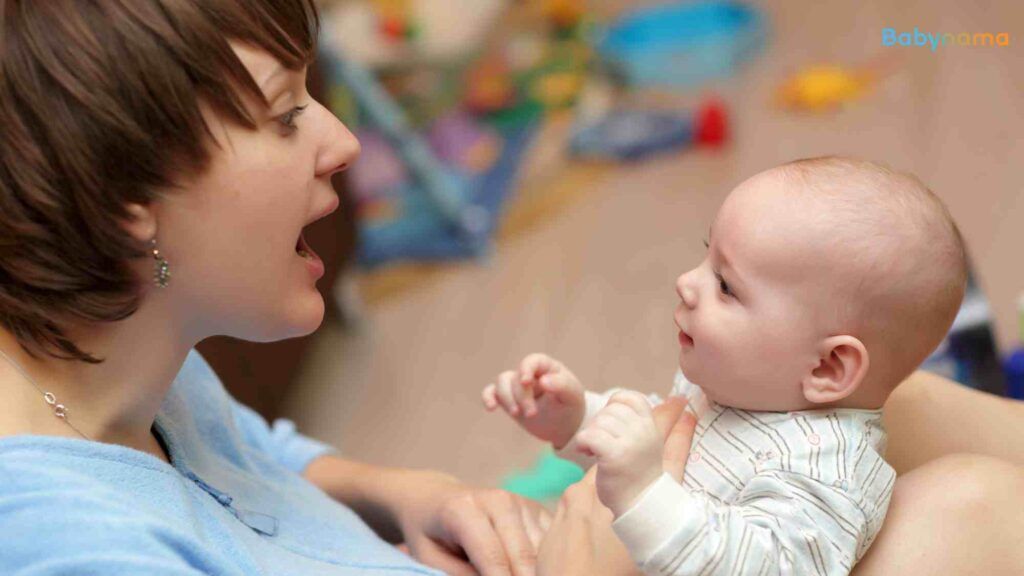
Babies respond to “parentese” - that naturally exaggerated way we talk to babies. When telling stories, amp this up even more!
How to Do It
| Technique | Example |
|---|---|
| Vary pitch | Go high for excitement, low for suspense |
| Change volume | Whisper secrets, get loud for surprises |
| Different voices | Give each character a distinct voice |
| Sound effects | Animal sounds, vehicle noises, etc. |
| Facial expressions | Show emotions with your face |
| Emphasis | Stretch out interesting words |
Example
Instead of: “The dog went outside.”
Try: “And the DOG… (pause) went OUUUTSIDE! Woof woof woof!”
What Research Shows
Studies show babies:
- Pay more attention to animated speech
- Learn words faster with exaggerated pronunciation
- Feel more secure with engaging storytellers
- Develop better language skills with varied input
Tip 2: Make It Interactive
Why It Matters
Babies learn through participation, not passive listening. The more you engage them, the more they benefit.
Interactive Techniques
| Age | Interactive Elements |
|---|---|
| 0-3 months | Point, let them look at your face |
| 3-6 months | Let them touch book, exaggerate expressions |
| 6-12 months | Ask simple questions, wait for response |
| 12+ months | Let them point, turn pages, fill in words |
Questions to Ask (Even to Young Babies!)
You don’t expect answers - you’re modeling conversation:
- “Where’s the dog? There he is!”
- “What does the cow say?” (then you answer: “Moo!”)
- “Look at the BIG tree!”
- “Can you find the ball?”
- “What happened next? The bunny jumped!”
Physical Interaction
- Let baby touch textured books
- Help them turn pages
- Point to pictures together
- Let them hold the book (board books)
- Use finger puppets for characters
The Serve and Return Pattern
- You say something or point at something
- Wait for baby’s response (look, sound, movement)
- Respond to their response
- Continue the exchange This back-and-forth builds brain connections more than one-way talking!
Tip 3: Make It a Daily Routine
Why Consistency Matters
| Benefit | How Routine Helps |
|---|---|
| Predictability | Baby learns what to expect |
| Security | Becomes a comforting ritual |
| Habit building | Creates lifelong reader |
| Language exposure | Daily practice adds up |
| Bonding time | Guaranteed quality time |
Building the Routine
Best Times for Stories:
-
Bedtime (calming routine)
-
After meals (quiet transition)
-
Morning (energizing start)
-
Any fussy time (distraction and comfort) Keep It Simple:
-
Even 5-10 minutes counts
-
One or two books is enough
-
Repetition is good - babies love the same books
-
Don’t worry about finishing every time
What If You Miss a Day?
It’s okay! Just pick up again the next day. Consistency doesn’t mean perfection - it means making it a regular habit.
Choosing Books for Different Ages
0-6 Months
| Type | Examples |
|---|---|
| High contrast | Black and white images |
| Simple pictures | One image per page |
| Board books | Durable for drool! |
| Soft/fabric books | Safe to mouth |
6-12 Months
| Type | Examples |
|---|---|
| Touch and feel | Different textures |
| Lift-the-flap | Simple surprises |
| Animal books | Sound-making potential |
| Daily routine books | Eating, sleeping, bathing |
12+ Months
| Type | Examples |
|---|---|
| Simple stories | Beginning, middle, end |
| Rhyming books | Patterns babies love |
| Interactive | ”Press here” type books |
| Favorite characters | Repetitive, predictable |
You Don’t Need Books!
Tell Stories Without Books
| Type | Examples |
|---|---|
| Family stories | ”When Mama was little…” |
| Day recaps | ”Today we went to the park and saw…” |
| Made-up tales | ”Once there was a little [baby’s name]…” |
| Nursery rhymes | Traditional rhymes and songs |
| Imagination | ”Let’s pretend we’re going to…” |
Traditional Indian Stories
- Panchatantra tales (simplified)
- Stories about festivals
- Family history and traditions
- Regional folk tales
Common Concerns
”My baby doesn’t pay attention”
This is common. Attention span is tiny at this age. Even 30 seconds of focused attention is great for a young baby. Keep sessions short, follow their lead, and don’t force it.
”My baby only wants the same book”
Great! Repetition is exactly how babies learn. Reading the same book many times helps them predict what comes next, recognize patterns, and feel secure.
”I feel silly doing voices”
Push through! Your baby doesn’t judge - they LOVE your animated voice. It’s proven to help development. Close the door if you’re embarrassed!
”My baby just wants to eat the book”
Let them! Exploring with mouth is developmentally appropriate. Use board books that can handle it. Mouthing doesn’t mean they’re not listening.
Making It Work for Busy Parents
Quick Ideas
| Time Available | What to Do |
|---|---|
| 2 minutes | Point at pictures, name objects |
| 5 minutes | One short book |
| 10 minutes | Full story with interaction |
| 15+ minutes | Multiple books, lots of chat |
Involve Siblings
- Older children can “read” to baby
- Baby loves watching siblings’ animated faces
- Creates bonding opportunity
- Models reading for everyone
Use Technology Wisely
- Audiobooks are NOT a replacement for your voice
- Video stories lack interaction
- But recorded stories from family members can be nice supplement
- Nothing replaces live, interactive storytelling
Frequently Asked Questions
Q: At what age should I start reading to my baby?
A: From birth! Newborns benefit from hearing your voice, the rhythm of language, and the closeness of story time. It’s never too early.
Q: How long should story time be?
A: Follow your baby’s lead. For newborns, even a few minutes is great. As they grow, 10-15 minutes is a good target. It’s okay to stop if they’re fussy.
Q: Does it matter what language I read in?
A: Read in whatever language is comfortable for you! Bilingual exposure is great for babies. The key is your engagement and animation, not the specific language.
Q: My baby crawls away during story time - should I stop?
A: They may still be listening! Try keeping the book in sight or making it more interactive. Active babies often absorb while moving.
Q: Can my partner’s different reading style confuse the baby?
A: No! Different styles are enriching. Babies benefit from varied input. Both of you reading, in your own ways, is wonderful.
Key Takeaways
- Animate your voice - Exaggerate pitch, volume, and expression
- Make it interactive - Point, question, pause, respond
- Daily routine - Consistency builds the habit
- Start from birth - Never too early
- Follow baby’s lead - Short attention is normal
- Repetition is good - Same book = better learning
- Have fun - Your enjoyment matters
This article was reviewed by pediatricians at Babynama. Last updated: January 2026
This article is for general information for Indian parents and does not replace a consultation with your pediatrician. If your baby is unwell or you have any concerns, see your doctor. For emergencies, call 112 (national emergency) or 108 (ambulance), or go to your nearest hospital.
Need personalized guidance? Book a consultation with our pediatricians or explore our Care Plans for 24/7 expert support!