Quick Answer
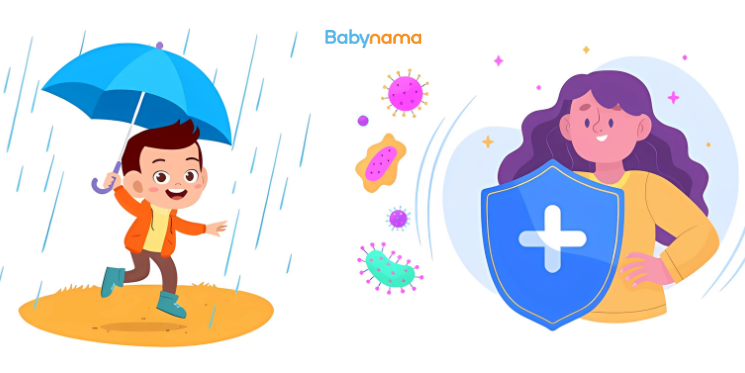
Barsaat ki bimaariyaan rok sakte hain - agar sahi precautions lein! Monsoon season in India (July-September) brings relief from garmi but also increases infections - dengue, malaria, loose motion, viral fever. Children are especially vulnerable because their immunity is still developing. The good news: with simple precautions around water, food, mosquitoes, and hygiene, the risk of most monsoon illnesses can be greatly reduced.
Why Children Get Sick in Monsoon (Kyun Beemar Padte Hain)
The Monsoon Risk Factors
| Factor | Why It’s Risky | What Happens |
|---|---|---|
| Stagnant water | Mosquito breeding ground | Dengue, malaria, chikungunya |
| Contaminated water | Bacteria, viruses | Diarrhea, typhoid, hepatitis A, jaundice |
| High humidity (nami) | Fungal growth | Skin infections, allergies |
| Temperature changes | Lowered immunity | Cold, cough, viral fevers |
| Crowded indoor spaces | Disease spreads easily | Flu, conjunctivitis (aankh aana) |
Common Monsoon Illnesses (Barsaat Ki Bimaariyan)
Waterborne (paani se failne wali):
-
Diarrhea/loose motions (dast)
-
Typhoid (motijhara)
-
Hepatitis A (jaundice/piliya)
-
Cholera Mosquito-borne (machchhar se):
-
Dengue
-
Malaria
-
Chikungunya Airborne (hawa se):
-
Viral fever (bukhar)
-
Cold and cough (sardi-zukaam)
-
Flu (influenza) Others:
-
Skin infections (daad, khaaj, fungal)
-
Conjunctivitis (aankh aana - pink eye)
-
Food poisoning
Step-by-Step Prevention Guide
Step 1: Safe Drinking Water (Paani Ki Suraksha)
The #1 monsoon health rule - SABSE ZAROORI!
Always:
-
Boil water for 10 minutes at rolling boil, OR
-
Use RO/UV water purifier (maintain it properly!)
-
Carry water bottle from home everywhere
-
Use purified water even for making ice at home Avoid:
-
Tap water directly (nalkha paani seedha mat do)
-
Street vendor water/juice/sharbat
-
Ice from outside (bahar ki baraf)
-
“Mineral water” from unverified sources
Step 2: Food Safety (Khaana Suraksha)
What to avoid during monsoon:
| Risky Foods | Why | Safe Alternative |
|---|---|---|
| Chaat, pani puri, golgappa | Contaminated water | Home-made chaat |
| Cut fruits from vendors | Bacteria grows quickly | Whole fruits washed at home |
| Raw salads from outside | Washing water unsafe | Cooked vegetables |
| Seafood (fish, prawns) | Higher monsoon contamination | Well-cooked chicken/eggs |
| Leafy greens raw | Very hard to clean properly | Cooked palak, methi |
| Street food | Multiple risks | Ghar ka khana |
Safe eating rules:
- Fresh, hot, ghar ka khana is best
- Reheat leftovers properly (phir se garam karo)
- Wash fruits/vegetables very thoroughly
- Avoid eating outside as much as possible during barsaat
Step 3: Mosquito Protection (Machchhar Se Bachav)
At home:
- Mosquito nets (macchardani) - essential for babies and young children!
- Screens on windows and doors
- Fix leaking taps (water pooling attracts mosquitoes)
- Empty standing water daily from all containers Repellents safe for children:
| Product | Age Suitable | Notes |
|---|---|---|
| Mosquito net | All ages | Safest option, especially babies |
| Fabric patches (stick on clothes) | 2+ months | Good Knight, Odomos patches |
| Roll-on | 6+ months | Apply on exposed skin |
| Cream (Odomos) | 6+ months | Apply on exposed skin, not face |
| Vaporizers | Older children | Use with ventilation, not for babies |
Avoid for babies: Coils (smoke irritates lungs), strong spray
Prevent mosquito breeding (yahan paida hote hain machchhar):
- Empty coolers, flower pots, old tires, any container with water
- Cover water tanks and matkas
- Clear blocked drains around house
- Check AC drip trays
Step 4: Hygiene Practices (Safai)
Hand washing (haath dhona) - make it a habit!
-
Before eating
-
After toilet use
-
After coming home from outside
-
After playing
-
After touching pets General hygiene:
-
Daily bath (but dry completely after - nahi toh fungal infection!)
-
Change wet clothes immediately (turant)
-
Wash toys weekly with soap/dettol
-
Keep nails short and clean (nail cutting)
-
Frequent diaper changes for babies (fungal infection prevention)
Step 5: Keep Dry and Protected (Sukha Rakho)
When going out:
-
Raincoat (barsaati) and umbrella zaroor
-
Waterproof shoes/boots (gumboots for kids!)
-
Change wet clothes as soon as home
-
Dry hair completely - geele baal mat chhodo At home:
-
Don’t sit in AC immediately after getting wet (sudden temperature change)
-
Keep feet dry (geele pair = fungal infection)
-
Layer clothes for cool evenings
Step 6: Boost Immunity (Immunity Badhao)
Diet for immunity:
| Food | Benefits | How to Give |
|---|---|---|
| Haldi (turmeric) | Anti-inflammatory, immunity | Haldi doodh (golden milk), add to sabzi |
| Amla | Vitamin C powerhouse | Murabba, amla candy, juice, chutney |
| Tulsi | Immunity boosting, antibacterial | Tulsi tea, chew leaves |
| Adrak (ginger) | Warming, digestive, anti-cold | Add to chai, soups, cooking |
| Lehsun (garlic) | Antimicrobial | Add to cooking daily |
Include daily:
-
Vitamin C fruits: orange, mosambi, guava, kiwi
-
Protein: dal, eggs, paneer, chicken, fish (well-cooked)
-
Probiotics: fresh dahi, chaas (buttermilk)
-
Warm soups and broths Vaccinations to update before monsoon:
-
Typhoid vaccine
-
Hepatitis A vaccine
-
Annual flu shot (September is good time)
Age-Specific Tips
| Age | Special Concerns | Key Precautions |
|---|---|---|
| 0-6 months | Most vulnerable, immunity lowest | Breastfeed exclusively (nothing else by mouth — no water, honey, or solids), mosquito net always, keep indoors during heavy rain |
| 6-12 months | Starting solids, crawling/mobile | Only freshly cooked food, no outside water, keep floor clean |
| 1-3 years | Putting everything in mouth, exploring | Strict hand hygiene, supervise closely, no street food |
| 3-6 years | School/daycare exposure | Pack lunch from home, teach hand washing, carry water bottle |
| 6+ years | More independence, peer influence | Education about safe food/water choices |
Monsoon First Aid Kit (Ghar Mein Zaroor Rakho)
Stock up before monsoon starts:
- WHO-ORS / ORS sachets (Electral)
- Paracetamol syrup/drops (Calpol/Crocin) — dose by weight, not age (see Fever section below); do not give to a baby under 3 months without a doctor
- Antifungal powder (Candid, Abzorb)
- Mosquito repellent (Odomos, patches)
- Antiseptic liquid (Dettol/Savlon)
- Calamine lotion
- Digital thermometer
- Bandages, cotton
Tips for Success
- Consistency is key - Follow rules every single day
- Make hygiene fun - Handwashing songs for kids
- Be prepared - Stock medicines before monsoon arrives
- Stay informed - Know dengue/malaria symptoms
- Don’t panic - Minor illnesses are a common part of childhood, but watch for the warning signs above
Common Mistakes to Avoid
| Mistake | Why It’s Harmful | Do This Instead |
|---|---|---|
| Giving antibiotics for every fever | Most monsoon fevers are viral | See doctor first, don’t self-medicate |
| Letting child play in rain puddles | Dirty water, infections | Indoor activities during rain |
| Ignoring wet clothes | Fungal infections, cold | Change within 10 minutes |
| ”Occasional” outside food | Even once can cause diarrhea | Strict ghar ka khana during monsoon |
| Stopping vaccinations because of rain | Diseases don’t stop | Vaccinate on schedule |
| Self-medicating without doctor | Wrong diagnosis | Always consult for proper treatment |
When to See a Doctor
Urgent/Emergency (turant jaao):
- 🚨 Any baby under 3 months with a fever of 100.4°F (38°C) or higher — this is a same-day medical emergency. Go to a hospital immediately, do not wait at home and do not give medicine first.
- High fever (103 degrees F+) lasting 2+ days
- Fever with rash (daane)
- Severe vomiting or diarrhea (dehydration signs)
- Signs of dehydration (kam susu, sukhi zubaan, ro raha par aansu nahi)
- Difficulty breathing (saans lene mein takleef)
- Severe body pain with fever (dengue sign - haddi toot rahi jaisa dard)
- Red eyes with discharge/pus
In a life-threatening emergency (a child who is unresponsive, struggling to breathe, having a seizure, or has a severe allergic reaction): 🚨 call 112 (national emergency) or 108 (ambulance) and go to the nearest hospital right away. Non-urgent appointment:
- Low-grade fever lasting 3+ days
- Persistent cough (2+ weeks)
- Skin rashes not improving
- Recurring stomach pain
- Ear pain
Home Care for Common Monsoon Illnesses
Fever (Bukhar)
- Paracetamol, dosed by your child’s weight: 15 mg/kg per dose, every 4-6 hours as needed, and no more than 60 mg/kg in 24 hours. Do not give to a baby under 3 months without a doctor’s advice.
- Tepid sponging with room temperature water
- Light cotton clothes
- Plenty of fluids (ORS, coconut water, soup, nimbu paani)
Diarrhea (Loose Motion)
- ORS after every loose motion - MOST IMPORTANT
- Continue feeding - DON’T starve
- Banana, khichdi, dahi-rice, roti
- NO fruit juices, cold drinks, spicy food
Cold/Cough (Sardi-Zukaam)
- Warm fluids (soup, garam paani with honey)
- Honey for cough (only above 1 year)
- Steam inhalation for older children (bhap)
- Rest and sleep
Frequently Asked Questions
Q: Monsoon mein bachcha baar baar beemar ho jaata hai. Kya karun?
A: Frequent illness in monsoon is common due to increased germs everywhere. Focus on: strict paani safety (boil/RO only), no outside food at all, mosquito protection (net + repellent), hand hygiene before every meal. Build immunity with haldi doodh, amla, fruits, good neend. Ensure all vaccinations are current (flu shot especially). If child is sick more than 3-4 times in season, consult doctor to rule out underlying issues.
Q: Dengue aur normal viral fever mein kya farak hai?
A: Initially hard to tell - both start with bukhar. Dengue warning signs: VERY high fever (104-105 degrees), severe body/joint pain (haddi tootne jaisi feeling), pain behind eyes, rash appearing after 2-3 days, weakness, bleeding from gums/nose. If fever persists 2+ days or these signs appear, get dengue test IMMEDIATELY. Important: Don’t give Brufen/Ibuprofen/Aspirin if dengue is suspected - only Paracetamol!
Q: Bachche ko baarish mein khelne dena chahiye?
A: Playing in clean rain falling from sky isn’t harmful, but: avoid stagnant puddles (dirty, contaminated water), change wet clothes immediately after coming inside, dry hair completely, don’t let child go straight to AC. Brief play in falling rain is okay; playing in dirty gutter water or puddles is NOT okay. Monitor for symptoms 2-3 days after any rain play.
Q: Outside khana bilkul band kar dein monsoon mein?
A: Ideally yes! Contamination risk is highest during monsoon - even “reputable” restaurants can have water/hygiene issues. If absolutely unavoidable: choose only hot, freshly cooked food (no chaat, no salads, no cut fruits), carry your own water. One bad meal can cause 3-4 days of diarrhea. Ghar ka khana is safest!
Q: Immunity kaise badhaaun monsoon ke pehle?
A: Start 1-2 months before monsoon! Daily: haldi doodh, amla (candy/murabba/juice), tulsi leaves, vitamin C fruits, protein (dal, eggs), fresh dahi. Update vaccines: typhoid, hepatitis A, flu shot. Ensure good neend (sleep) - tired children get sick more. Regular outdoor activity (when not raining). No single “immunity booster” supplement works - consistent healthy lifestyle does!
This article was reviewed by Babynama Pediatricians.
This guide reflects Indian pediatric practice (IAP) and is for general information only. It is not a substitute for an in-person consultation with your child’s doctor. Vaccine schedules, doses, and treatment should follow your pediatrician’s advice. In an emergency, call 112 or 108 or go to the nearest hospital.
Child unwell this monsoon? Babynama’s pediatricians can help assess symptoms and guide treatment. Chat with us on WhatsApp!
Need personalized guidance? Book a consultation with our pediatricians or explore our Care Plans for 24/7 expert support!
Related Tools