Quick Answer
Good news - rickets and calcium deficiency are largely preventable and, when caught early, treatable. While these conditions can sound scary, they’re uncommon in children who get adequate sunlight, eat calcium-rich Indian foods (doodh, dahi, paneer, ragi), and receive vitamin D supplements when needed. If you’re reading this with concern about your child, take a breath - with proper nutrition and sunshine, most children stay healthy.
Understanding Rickets and Calcium Deficiency
What’s the difference?
- Calcium deficiency: Not enough calcium in the diet or poor absorption
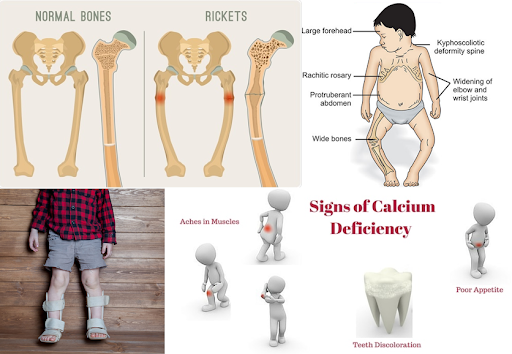
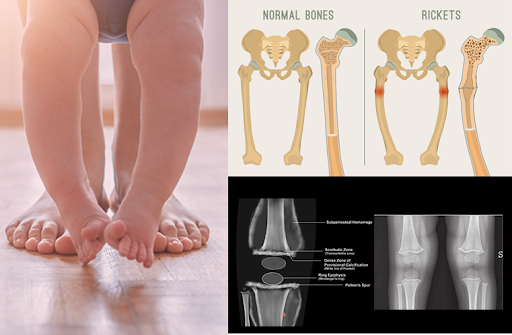
- Rickets: Bone disease caused by lack of vitamin D, calcium, or phosphorus
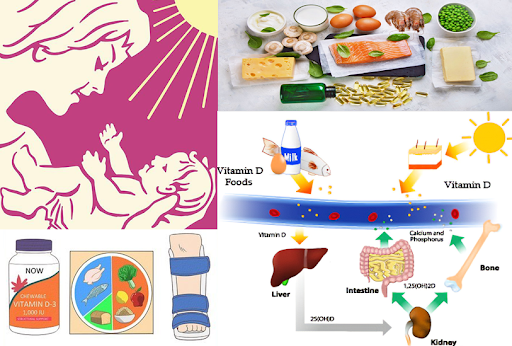
- Connection: Vitamin D is essential for calcium absorption - you need both! Why is this important?
Calcium and vitamin D work together to build strong bones (haddiyan). During childhood, bones grow rapidly and need these nutrients. Without them, bones become soft, weak, and can bend or deform.
What Causes These Conditions?
Primary Causes:
| Cause | Why It Happens | Who’s at Risk |
|---|---|---|
| Low Vitamin D | Limited sun exposure, dark skin | Indoor children, city kids, covered clothing |
| Poor Diet | Not enough dairy or calcium foods | Picky eaters, restricted diets |
| Exclusive Breastfeeding | Breast milk low in Vitamin D | Babies without vitamin D drops |
| Malabsorption | Body can’t absorb nutrients | Celiac disease, kidney problems |
Common Scenarios in India:
- Baby exclusively breastfed without vitamin D supplements
- Child who refuses doodh (milk) and dairy products
- Kids spending all day indoors (screen time, apartments)
- Vegetarian diet without calcium-rich alternatives
- Girls with full-body covering limiting sun exposure
Symptoms by Age
Infants (0-12 months):
-
Delayed closure of soft spot (fontanelle)
-
Soft skull bones (craniotabes)
-
Excessive head sweating during feeding/sleep
-
Delayed teething
-
Irritability and fussiness
-
Slow growth Toddlers (1-3 years):
-
Delayed walking
-
Bowed legs (tangdi mudi)
-
Widened wrists and ankles
-
Pot belly appearance
-
Muscle weakness - difficulty climbing stairs
-
Frequent falls Older Children (3+ years):
-
Knock knees
-
Bone pain, especially in legs
-
Dental problems - cavities, delayed teeth
-
Short stature compared to peers
-
Frequent fractures
-
Muscle cramps
Diagnosis
Your pediatrician may recommend:
- Blood tests: Calcium, phosphorus, alkaline phosphatase, vitamin D levels
- X-rays: Show characteristic bone changes of rickets
- Physical exam: Check for bone deformities, muscle weakness
Treatment Options
Mild Deficiency (Dietary Changes + Supplements):
-
Increase calcium-rich foods in diet
-
Vitamin D drops: 400-1000 IU daily
-
More outdoor time in morning sun
-
Monitor with follow-up blood tests Moderate Deficiency:
-
Higher dose vitamin D: 1000-2000 IU daily
-
Calcium supplements if needed
-
Monthly monitoring initially Severe Rickets (Stoss Therapy):
-
Single high-dose vitamin D (60,000-600,000 IU)
-
Given under medical supervision
-
Dramatic improvement within weeks
-
Follow-up doses as needed Bone Deformities:
-
Usually correct with treatment over 1-2 years
-
Physical therapy may help
-
Bracing in some cases
-
Surgery only for severe, uncorrected deformities
Prevention Guide for Indian Parents
Daily Calcium Requirements and Sources
| Age | Daily Calcium | How to Get It |
|---|---|---|
| 0-6 months | 200mg | Breast milk/formula |
| 6-12 months | 260mg | Milk + 1 serving dairy + ragi |
| 1-3 years | 700mg | 2 glasses milk + curd/paneer |
| 4-8 years | 1000mg | 2-3 glasses milk + dairy foods |
Best Indian Calcium Sources
Dairy Champions:
-
1 glass milk = 300mg calcium
-
1 cup curd = 200mg calcium
-
100g paneer = 200mg calcium
-
1 glass chaas = 100mg calcium Non-Dairy Winners:
-
Ragi (finger millet) - MORE calcium than milk!
-
Sesame seeds (til)
-
Amaranth (rajgira)
-
Methi leaves
-
Almonds (badam)
-
Dried figs (anjeer)
-
Fortified soy milk
Vitamin D Strategy
Sunlight (Best Source):
-
15-20 minutes morning sun (before 10 AM)
-
Arms and legs exposed
-
3-4 times per week
-
Not through glass windows Supplements:
-
All breastfed babies: 400 IU vitamin D drops daily
-
At-risk children: Discuss with pediatrician
-
Available as drops (for babies) or chewables (for kids) Food Sources:
-
Egg yolks
-
Fatty fish (rohu, surmai/king fish, sardines)
-
Fortified milk and cereals
-
Mushrooms exposed to sunlight
Meal Ideas for Strong Bones
Breakfast Options:
-
Ragi porridge with milk and banana
-
Milk with ragi ladoo
-
Paneer paratha
-
Curd with roti Lunch/Dinner:
-
Dal with ghee (ghee helps vitamin D absorption)
-
Palak paneer
-
Curd rice
-
Ragi dosa with chutney
-
Methi paratha Snacks:
-
Til (sesame) ladoo
-
Cheese cubes
-
Almond milk smoothie
-
Paneer tikka
-
Fruit with curd
When to See a Doctor
Seek Immediate Care If:
- Seizures or muscle spasms (sign of severe calcium drop)
- Difficulty breathing
- Fracture from minor injury
- Sudden worsening of bone deformity
🚨 For seizures, difficulty breathing, or a child who is unresponsive: call 112 (national emergency) or 108 (ambulance), or go to the nearest hospital immediately. Schedule Appointment If:
- Legs appear bowed or knocked
- Child not walking by 18 months
- Significantly shorter than peers
- Delayed teething (no teeth by 12 months)
- Excessive sweating on head
- Concerns about calcium/vitamin D intake
FAQs
Q: Mera baccha bahut patla hai aur wajan nahi badh raha - could this be rickets?
A: Being thin (patla) and slow weight gain aren’t typical signs of rickets. Rickets primarily affects bones, causing bowing, delayed walking, and bone pain. However, both conditions can occur together if the child has overall poor nutrition. If you’re concerned about weight, focus on calorie-dense foods while ensuring adequate calcium. Get your child checked if you notice any bone-related symptoms.
Q: Do I need to give vitamin D drops to my formula-fed baby?
A: Usually not, if your baby drinks adequate formula. Most infant formulas are fortified with vitamin D. If your baby drinks at least 500ml of formula daily, they’re likely getting enough. Check with your pediatrician to be sure, especially if baby is also getting some breast milk.
Q: My 2-year-old has slightly bowed legs - is this rickets?
A: Mild bowing is common and usually expected in toddlers. Most children have some bowing until age 2-3, which often corrects naturally as they grow. This is called “physiological bowing.” Concerning signs would be: severe bowing, bowing that gets worse after age 2, bowing on only one side, or bowing with other symptoms like bone pain. When in doubt, ask your pediatrician.
Q: Can too much vitamin D be harmful?
A: Yes, vitamin D toxicity is possible but rare with normal supplementation. Don’t give more than recommended without medical advice. Signs of excess include nausea, vomiting, weakness, and frequent urination. Stick to recommended doses (400-1000 IU for most children) and consult your pediatrician for higher doses.
Q: My child is lactose intolerant - how do I ensure enough calcium?
A: Many children with lactose intolerance can tolerate:
-
Curd/dahi (fermentation reduces lactose)
-
Paneer (most lactose removed)
-
Hard cheeses
-
Lactose-free milk Non-dairy alternatives:
-
Ragi (richest non-dairy calcium source!)
-
Sesame seeds/til
-
Fortified soy or almond milk
-
Green leafy vegetables
-
Almonds, dried figs
Q: How long does it take to treat rickets?
A: With proper treatment:
- Blood levels improve within 2-4 weeks
- Symptoms start improving within 1-2 months
- Bone changes visible on X-ray within 3-6 months
- Bone deformities may take 1-2 years to fully correct
- Some severe deformities may need additional intervention
This article was reviewed by a pediatrician. Last updated: January 2025
General information for Indian parents, not a substitute for your pediatrician. In an emergency, call 112 or 108.
Need personalized guidance? Book a consultation with our pediatricians or explore our Care Plans for 24/7 expert support!
Related Tools