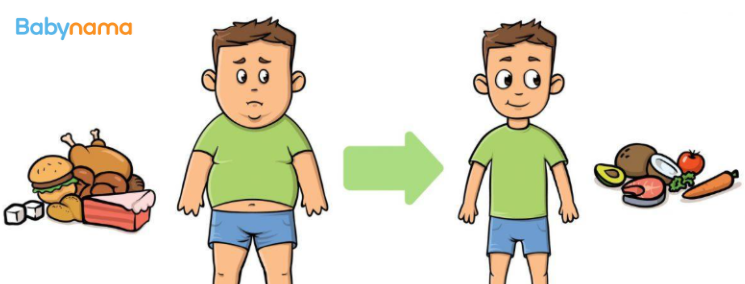
Quick Answer: If your child is overweight, the focus should be on HEALTHY HABITS, not dieting! Children need nutrition to grow, so crash diets are harmful. Instead, focus on: more active play, less screen time, home-cooked meals, fewer processed foods, and being a role model. Weight management in children is about slowing weight gain while they grow taller, not losing weight. With consistent healthy habits, most children naturally reach a healthy weight as they grow!
Is My Child Overweight?
Understanding BMI for Indian Children
The Indian Academy of Pediatrics (IAP) publishes growth charts for children aged 5-18. Importantly, a child’s healthy BMI is not a single number — it changes with age and differs between boys and girls. That is why your pediatrician plots your child’s BMI on the IAP age- and sex-specific chart rather than comparing it to a fixed value.
On the IAP 2015 charts, two reference lines are used:
| IAP reference line | What it means |
|---|---|
| Adult-equivalent BMI of 23 | Overweight cut-off |
| Adult-equivalent BMI of 27 | Obesity cut-off |
These lines are set lower than Western (CDC/US) standards because Indian children tend to develop weight-related health risks at a lower BMI. The chart converts these into an age- and sex-specific value for your child — so only your pediatrician can tell you which category your child falls into.
As a rough percentile guide (your pediatrician will confirm using the IAP chart):
| Percentile (on the IAP chart) | Category |
|---|---|
| Below 5th | Underweight |
| 5th-85th | Healthy weight |
| 85th-95th | Overweight |
| Above 95th | Obese |
Important: Don’t rely on appearance alone, and don’t compare your child’s BMI to a fixed number. Check with your pediatrician for a proper assessment on the IAP age- and sex-specific chart. Many “chubby” babies are growing exactly as they should.
Why Are Indian Children Getting Heavier?
Contributing Factors
| Factor | Impact |
|---|---|
| Fast food culture | Pizza, burgers, chips readily available |
| Packaged snacks | Biscuits, namkeen, chocolates as daily snacks |
| Sweet drinks | Packaged juices, soft drinks, flavored milk |
| Screen time | TV, tablets, phones replacing active play |
| Less outdoor play | Apartment living, safety concerns |
| Tuition burden | Less time for physical activity |
| Portion sizes | ”Finish your plate” culture |
| Stress eating | Academic pressure leading to comfort eating |
Genetics vs. Lifestyle
- Genetics do play a role — some children are more prone to weight gain
- But lifestyle and daily habits are usually the bigger, and more changeable, factor
- Family patterns matter — both genes AND habits are passed down
Health Risks of Childhood Obesity
Physical Health
- Type 2 diabetes (now seen in Indian teenagers!)
- High blood pressure
- Fatty liver disease
- Breathing problems
- Joint problems
- Early puberty
- Sleep apnea
Mental Health
- Low self-esteem
- Bullying and social isolation
- Anxiety and depression
- Poor body image
- Academic struggles
Reassurance: These risks are PREVENTABLE and often REVERSIBLE with healthy lifestyle changes. It’s never too late to start!
Age-Wise Guide to Healthy Weight
Birth to 1 Year
Focus: Establishing healthy foundations
| Do | Don’t |
|---|---|
| Breastfeed for at least 6 months | Start solids too early (before 6 months) |
| Introduce healthy first foods at 6 months | Add sugar/salt to baby food |
| Follow baby’s hunger cues | Force-feed |
| Offer water, not juice | Give packaged juices or sweet drinks |
| Allow tummy time and movement | Keep baby in bouncer/walker all day |
Why it matters: Breastfeeding may help prevent obesity. Early feeding patterns set the foundation for future eating habits.
1-5 Years (Toddler/Preschool)
Focus: Building healthy habits
| Do | Don’t |
|---|---|
| Offer variety of foods | Let child eat only favorite foods |
| Set regular meal times | Allow grazing all day |
| Make water the main drink | Give juice/sweetened drinks daily |
| 3 hours of active play daily | Allow more than 1 hour screen time |
| Eat meals together as family | Let child eat alone with TV |
| Serve appropriate portions | Give adult-sized portions |
Healthy Indian snacks for toddlers:
- Fresh fruits (seasonal)
- Roasted chana
- Homemade idli/dosa
- Vegetable cutlets (baked)
- Plain dahi with fruit
- Homemade laddoo (low sugar)
6-12 Years (School Age)
Focus: Developing independence in healthy choices
| Do | Don’t |
|---|---|
| Pack healthy school lunch | Give money for canteen junk food |
| Involve in cooking | Rely on packaged convenience foods |
| 1 hour physical activity daily | Allow unlimited screen time |
| Make fruits/vegetables accessible | Stock up on chips and biscuits |
| Teach about nutrition | Label foods as “good” or “bad” |
| Praise effort, not body | Comment on weight or appearance |
Healthy school lunch ideas:
- Roti roll with vegetables
- Vegetable paratha with curd
- Poha with peanuts and vegetables
- Sprouts chaat
- Fruit with handful of nuts
- Homemade sandwich (not processed cheese)
13-18 Years (Teenagers)
Focus: Supporting autonomy while maintaining healthy environment
| Do | Don’t |
|---|---|
| Teach healthy cooking | Criticize or shame about weight |
| Keep healthy foods at home | Control every food choice |
| Encourage sports/activities they enjoy | Force exercise as punishment |
| Model healthy eating | Diet yourself while serving them junk |
| Support social activities | Restrict socializing due to food concerns |
| Address emotional eating | Ignore signs of stress or depression |
For teenagers:
- Involve them in meal planning
- Let them choose physical activities
- Discuss nutrition without judgment
- Address body image concerns sensitively
Practical Tips for All Ages
Food Changes
| Instead of | Try |
|---|---|
| Maida-based foods | Whole wheat, ragi, jowar |
| Packaged juice | Whole fruits, nimbu paani |
| Fried snacks | Baked or roasted alternatives |
| White rice daily | Mix in brown rice, millets |
| Store-bought sweets | Homemade with less sugar |
| Soft drinks | Buttermilk, coconut water, plain water |
Activity Ideas
Indoor (for apartments/hot weather):
-
Dancing to music
-
Indoor obstacle courses
-
Yoga for kids
-
Active video games (as occasional alternative)
-
Household chores Outdoor:
-
Cycling
-
Swimming
-
Cricket/football/badminton
-
Walking/jogging as family
-
Playing in park
Screen Time Guidelines
| Age | Maximum Screen Time |
|---|---|
| Under 2 years | NONE (except video calls) |
| 2-5 years | 1 hour daily |
| 6-12 years | 1-2 hours daily |
| Teenagers | 2 hours recreational (not homework) |
Tips to reduce screen time:
- No screens during meals
- No TV in bedrooms
- Set specific screen-free hours
- Lead by example
- Offer alternatives
What NOT to Do
Common Mistakes
| Don’t | Why It’s Harmful |
|---|---|
| Put child on diet | Can cause nutritional deficiencies, eating disorders |
| Criticize weight | Damages self-esteem, may cause emotional eating |
| Force exercise as punishment | Creates negative association with activity |
| Compare to siblings/others | Causes resentment and poor body image |
| Completely ban treats | Makes “forbidden” foods more desirable |
| Make separate “diet” meals | Child feels singled out |
| Reward with food | Creates emotional eating patterns |
| Skip meals | Leads to overeating later |
When to Seek Professional Help
See Your Pediatrician If:
- BMI is in overweight/obese range
- Weight gain is rapid
- Child shows signs of diabetes (excessive thirst, frequent urination)
- Breathing problems or snoring
- Joint pain
- Signs of depression or anxiety
- Eating disorder signs (hiding food, eating in secret)
Treatment Options
| Option | When Needed |
|---|---|
| Dietitian consultation | Personalized meal planning |
| Pediatric endocrinologist | If hormonal issues suspected |
| Mental health support | If emotional eating or poor self-image |
| Family therapy | When family dynamics contribute |
| Supervised weight programs | For severe obesity |
Frequently Asked Questions
Q: My child is chubby but active. Should I worry?
A: Not necessarily! Some children are naturally bigger. If your child is active, eats healthily, and is growing well, discuss with your pediatrician before making changes.
Q: Should I put my 8-year-old on a diet?
A: NO. Children should not “diet” - they need nutrition to grow. Focus on healthier food choices and more activity. The goal is to slow weight gain while they grow taller.
Q: My in-laws keep feeding my child. What should I do?
A: This is common in Indian families! Have a calm conversation about health concerns. Suggest they show love through activities instead of food. Offer specific healthy alternatives they can give.
Q: Will my overweight child grow out of it?
A: Not automatically. Without changes, overweight children often become overweight adults. But with healthy habits established now, most children can achieve healthy weight as they grow.
Q: How do I talk to my child about weight without hurting them?
A: Focus on HEALTH, not weight. Say “Let’s be healthy and strong” not “You need to lose weight.” Make changes for the whole family, not just the child.
Key Takeaways
- Focus on health, not weight - Build healthy habits for life
- No dieting for children - They need nutrition to grow
- Make it a family affair - Everyone eats better, moves more
- Reduce screen time - Replace with active play
- Home-cooked is best - Less oil, sugar, and processed ingredients
- Be patient - Lasting change takes time
- Seek help if needed - Pediatricians and dietitians can guide you
This article was reviewed by pediatricians and nutritionists at Babynama. Last updated: January 2026
Need personalized guidance? Book a consultation with our pediatricians or explore our Care Plans for 24/7 expert support!
General information for Indian parents, not a substitute for your pediatrician. In an emergency, call 112 or 108.
Related Tools