
Last updated: January 2026
Quick Answer
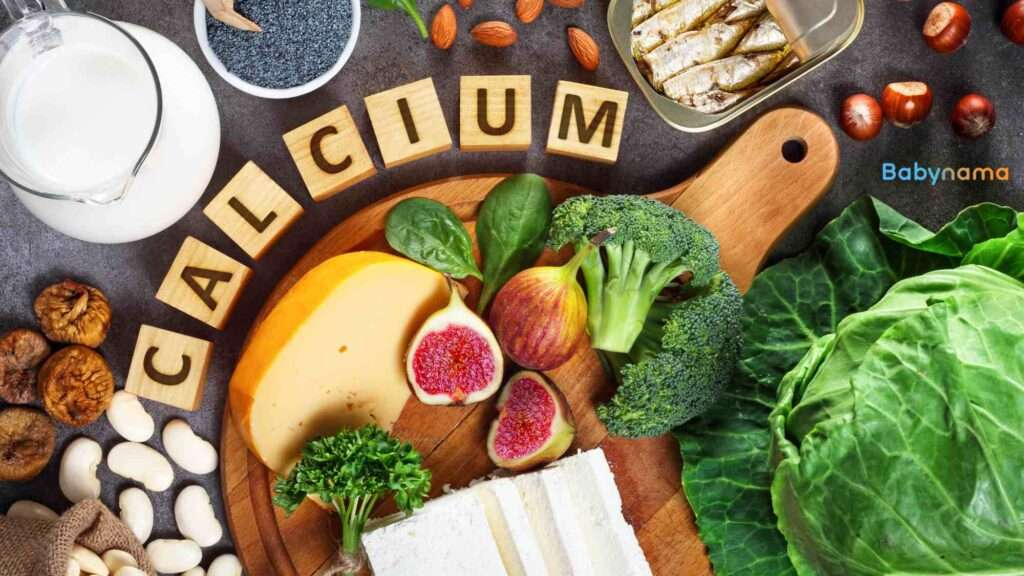
Bacche ki haddiyon ke liye calcium bahut zaruri hai - aur sirf doodh hi nahi, bahut saare Indian foods mein calcium bhara padha hai! Ragi, til (sesame seeds), paneer, dahi, methi, sarson ka saag - ye sab calcium ke powerhouses hain. Agar baccha doodh nahi peeta, toh bhi ye alternatives use kar sakte ho. Ye guide batayegi kitna calcium chahiye aur kaise easily Indian diet mein include karein.

Why Calcium Matters for Children
The Importance of Calcium
What Calcium Does:
- Builds strong bones and teeth
- Essential for muscle function
- Helps with nerve signaling
- Supports blood clotting
- Important for heart health
Critical Fact: Childhood is when most bone mass is built. Getting adequate calcium during growing years helps support strong bones and may reduce the risk of weak bones later in life.
Age-Wise Calcium Requirements
| Age Group | Daily Calcium Needed |
|---|---|
| 0-6 months | 200 mg (only from breast milk/formula — nothing else by mouth before 6 months) |
| 6-12 months | 260-280 mg |
| 1-3 years | ~500 mg |
| 4-9 years | 550-650 mg |
| 10-18 years | 800-1000 mg |
These are general daily targets based on ICMR-NIN guidance for Indians; exact needs vary by child. Your pediatrician can advise for your child.
Reassurance: If your child is eating a varied diet with dairy and other calcium sources, they’re likely getting enough. Supplements are rarely needed with a proper diet.
Top Calcium-Rich Indian Foods
Dairy Sources (Most Concentrated)
| Food | Calcium Content | Serving Size |
|---|---|---|
| Milk (doodh) | 300 mg per cup | 200 ml |
| Curd (dahi) | 275 mg per cup | 200 ml |
| Paneer | 500 mg per 100g | 50-100g |
| Cheese | 200 mg per slice | 1 slice (20g) |
| Buttermilk (chaas) | 150 mg per cup | 200 ml |
| Lassi | 250 mg per glass | 200 ml |
Non-Dairy Indian Sources
| Food | Calcium Content | How to Include |
|---|---|---|
| Ragi (finger millet) | 344 mg per 100g | Ragi porridge, ragi dosa, ragi roti |
| Til (sesame seeds) | 975 mg per 100g | Til laddoo, chutney, sprinkle on food |
| Amaranth (rajgira) | 159 mg per 100g | Rajgira paratha, rajgira chikki |
| Soybean | 277 mg per 100g | Soya chunks curry, soya milk |
| Almonds (badam) | 264 mg per 100g | Badam milk, as snack (crushed for young kids) |
| Moringa leaves | 185 mg per 100g | In paratha, dal, or soup |
Green Leafy Vegetables
| Vegetable | Calcium Content | Easy Preparations |
|---|---|---|
| Methi (fenugreek) | 395 mg per 100g | Methi paratha, methi dal |
| Sarson (mustard greens) | 210 mg per 100g | Sarson ka saag |
| Palak (spinach) | 99 mg per 100g | Palak paneer, palak dal |
| Bathua | 150 mg per 100g | Bathua paratha, in dal |
Other Good Sources
- Oranges: 40 mg per orange
- Figs (anjeer): 162 mg per 100g
- Dates (khajoor): 64 mg per 100g
- Raisins (kishmish): 50 mg per 100g
- Dried apricots: 55 mg per 100g
Step-by-Step Guide to Calcium-Rich Diet
Step 1: Include Dairy Daily
Target: 2-3 servings of dairy per day
Easy Ways:
- Glass of milk with breakfast or before bed
- Curd/raita with lunch or dinner
- Paneer in any curry or paratha
- Lassi as evening snack
- Cheese in sandwiches or with roti
Step 2: Add Calcium-Rich Alternatives
For Variety or Lactose Intolerance:
- Ragi porridge for breakfast
- Til chutney with meals
- Rajgira laddoo as snacks
- Soya chunks in curry
- Almond milk
Step 3: Include Greens Regularly
Aim for: Leafy greens 3-4 times per week
Kid-Friendly Methods:
- Methi paratha (kids love paratha!)
- Palak mixed in dal
- Bathua in roti dough
- Green smoothies with fruits
Step 4: Smart Snacking
Calcium-Rich Snacks:
- Til laddoo or chikki
- Cheese cubes
- Paneer tikka bites
- Ragi cookies (homemade)
- Badam milk
- Dry fruit trail mix
Sample Calcium-Rich Meal Plans
For Toddlers (1-3 years)
| Meal | Calcium-Rich Foods |
|---|---|
| Breakfast | Ragi porridge + banana |
| Mid-morning | Milk (doodh) |
| Lunch | Dal + rice + methi sabzi + curd |
| Evening | Paneer cubes + crackers |
| Dinner | Roti + palak paneer + dal |
| Bedtime | Milk |
Estimated Calcium: ~600-700 mg
For Older Children (4-8 years)
| Meal | Calcium-Rich Foods |
|---|---|
| Breakfast | Paratha + curd + milk |
| School tiffin | Paneer roll + cheese sandwich |
| Lunch | Rice + rajma + sabzi + curd |
| Evening | Til laddoo + milk |
| Dinner | Roti + egg curry + dal + salad |
Estimated Calcium: ~800 mg
Vitamin D Connection
Important: Calcium needs Vitamin D for absorption!
Vitamin D Sources:
- Morning sunlight (10-15 minutes daily)
- Egg yolk
- Fortified foods
- Supplements if deficient (as advised by doctor)
Tips:
- Let children play outdoors in morning sun
- Don’t cover baby completely when outdoors
- Ask pediatrician about Vitamin D drops for babies
For Lactose Intolerant or Vegan Children
Alternative Calcium Sources:
- Ragi in various forms
- Til (sesame) products
- Soya milk (calcium-fortified)
- Green leafy vegetables
- Almonds and almond butter
- Rajgira preparations
- Calcium-fortified juices
Tip: If avoiding all dairy, consult pediatrician about calcium supplements to ensure adequate intake.
Tips for Success
- Make it tasty - Paneer tikka, cheese pizza, flavored milk are all good
- Don’t force - Offer variety, let child choose
- Lead by example - Drink milk with your child
- Be creative - Mix calcium sources into favorite foods
- Consistency matters - Small amounts daily is better than large amounts occasionally
- Morning sun - 10-15 minutes helps Vitamin D for calcium absorption
Common Mistakes to Avoid
- Relying only on milk - Use variety of calcium sources
- Giving too much milk - Can reduce appetite for solid foods (limit to 500ml after age 1)
- Ignoring non-dairy sources - Many Indian foods are calcium-rich
- Giving calcium with iron - They compete for absorption (give at different times)
- Skipping Vitamin D - Calcium can’t work without it
- Using supplements without need - Food sources are usually sufficient
Signs of Calcium Deficiency
Watch For:
- Delayed teething
- Weak or bowed legs
- Frequent fractures
- Muscle cramps
- Poor growth
- Tooth decay despite good hygiene
Note: These signs have many causes. Consult your pediatrician for proper diagnosis.
When to Seek Help
Consult Your Pediatrician If:
- Child refuses all dairy and calcium-rich foods
- Signs of calcium deficiency
- Bones seem weak or bow-shaped
- Child has conditions affecting calcium absorption
- You’re considering calcium supplements
- Growth is below normal
Frequently Asked Questions
Q: Baccha doodh nahi peeta - kya karun?
A: Many children dislike plain milk. Try: flavored milk (banana/mango/chocolate), curd, paneer, cheese, lassi, milk in porridge. Also add non-dairy calcium sources like ragi, til, and greens. If child takes curd and paneer happily, that’s equally good!
Q: Kitna doodh dena chahiye bacche ko?
A: After age 1: 400-500ml (2 cups) of milk OR equivalent dairy (curd, paneer, cheese) is enough. More than 500ml can reduce appetite for solid foods and cause iron deficiency. Include other calcium sources too.
Q: Kya calcium supplement dena chahiye?
A: Usually not needed if child eats varied diet with dairy and other calcium sources. Supplements are needed for: lactose intolerant children not getting alternatives, those with absorption issues, or vegetarian/vegan children not getting enough from food. Always consult doctor before giving supplements.
Q: Non-dairy se adequate calcium milega kya?
A: Yes! Ragi, til, soya, greens together can provide adequate calcium. Example: Ragi porridge + til chutney + soya curry + methi in one day = good calcium intake. But monitoring may be needed, especially for growing children.
Q: Bones strong karne ke liye aur kya chahiye?
A: Besides calcium: Vitamin D (morning sun, eggs), protein (dal, eggs, paneer), physical activity (running, jumping, playing), avoiding excessive junk food. Bones are built by multiple nutrients working together, not just calcium alone!
This article was reviewed by Babynama Pediatricians. The Indian diet offers excellent calcium sources — use variety for best results!
Disclaimer: This article is for general information for Indian parents and is not a substitute for medical advice. Calcium needs, supplements, and any feeding concerns should be discussed with your own pediatrician. For any urgent or severe symptom, call 112 (national emergency) or 108 (ambulance), or go to your nearest hospital.
Need personalized guidance? Book a consultation with our pediatricians or explore our Care Plans for 24/7 expert support!
Related Tools