
Quick Answer: Most healthy 6-month-old babies don’t need vitamin supplements if they’re getting adequate breast milk (maa ka doodh) or formula, along with a variety of solid foods. The main exception is Vitamin D - breastfed babies typically need 400 IU daily from birth. Don’t stress, mummy - your baby is likely getting everything they need!
Understanding Your Baby’s Vitamin Needs
At 6 months, your baby is entering an exciting phase - they’re starting solid foods (anna prashan) while still getting most of their nutrition from breast milk or formula. This transition period raises many questions about vitamin supplements.
The good news: Breast milk meets most of your baby’s nutritional needs in the first months, and maa ka doodh remains an excellent food through the first year. Formula milk is also fortified with essential vitamins and minerals.
When Might Your Baby Need Vitamin Supplements?
| Situation | Vitamin Needed | Why |
|---|---|---|
| Breastfed babies | Vitamin D drops | Breast milk has low Vitamin D; limited sun exposure in India due to pollution and staying indoors |
| Formula-fed babies (<32 oz/day) | Vitamin D drops | May not get enough from formula |
| Premature babies | Multi-vitamins + Iron | Born before full nutrient transfer from mother |
| Vegan/vegetarian family | Vitamin B12, Iron, Zinc | Plant-based diets may lack these |
| Baby with health conditions | As prescribed by doctor | Specific conditions require specific supplements |
Essential Vitamins for Babies (7-12 Months)
Vitamin D (Most Important!)
Why it matters: Vitamin D is crucial for bone development and immune function. Rickets (sukhandi rog) is still seen in Indian children due to Vitamin D deficiency.
Recommendation:
- All breastfed babies: 400 IU daily from birth
- Formula-fed babies: Only if drinking less than 900ml formula daily
- Continue until age 1 year, then reassess with your pediatrician
Note on sunlight: While dhoop (sunlight) helps produce Vitamin D, doctors don’t recommend direct sun exposure for babies under 6 months. Even after 6 months, consistent sun exposure is difficult to achieve safely.
Iron (Loha)
Why it matters: Babies are born with iron stores that last about 6 months. After that, they need iron from food or supplements.
Good iron sources for babies:
- Iron-fortified cereals (Cerelac, homemade sattu)
- Pureed meats (if non-vegetarian)
- Dal and rajma (mashed well)
- Palak and other green vegetables
- Dates (khajoor) puree
When to supplement: If baby isn’t eating iron-rich foods regularly, discuss iron drops with your pediatrician.
Vitamin B12
Why it matters: Essential for brain development and nerve function.
Who needs it:
- Babies of vegetarian/vegan mothers who aren’t taking B12 supplements
- Babies who won’t eat animal products
Natural sources: Eggs, dairy, fortified cereals
Zinc
Why it matters: Important for growth, immunity, and healing.
Good sources: Breast milk, formula, meat, whole grains, legumes
Step-by-Step Guide: Does Your Baby Need Supplements?
Step 1: Assess Your Baby’s Diet
Ask yourself:
- Is baby breastfed, formula-fed, or combination?
- Has baby started eating a variety of solid foods?
- Is your family vegetarian or vegan?
- Was baby born premature or with any health conditions?
Step 2: Check What Baby is Already Getting
- Breastfed babies: Getting most nutrients but need Vitamin D drops
- Formula-fed babies: Check if formula provides 400 IU Vitamin D per 32 oz
- Solid foods: Note what variety baby is eating
Step 3: Consult Your Pediatrician
Before starting ANY supplement, discuss with your child’s doctor. They will:
- Check baby’s growth and development
- Consider any health conditions
- Recommend appropriate supplements if needed
Common Mistakes to Avoid
- Over-supplementing: Giving too many vitamins can be harmful. More is NOT better!
- Giving adult vitamins: Baby vitamins are specially formulated - never give adult supplements
- Relying only on enriched foods: Commercial baby foods claim to be “fortified” but may not provide adequate amounts
- Skipping Vitamin D: Many Indian babies are deficient - this is the one supplement most breastfed babies truly need
- Forgetting mother’s health: Nursing mothers should eat well and take their own supplements as advised
Tips for Success
- Make it routine: Give Vitamin D drops at the same time daily (many parents give it during morning feed)
- Use the dropper correctly: Place drops on nipple, pacifier, or directly in baby’s mouth - don’t add to bottles
- Store properly: Keep supplements away from heat and light
- Track what you give: Don’t double-dose if you forget - just continue next day
Indian Foods That Naturally Boost Baby’s Nutrition
Instead of worrying about supplements, focus on nutrient-rich foods once baby starts solids:
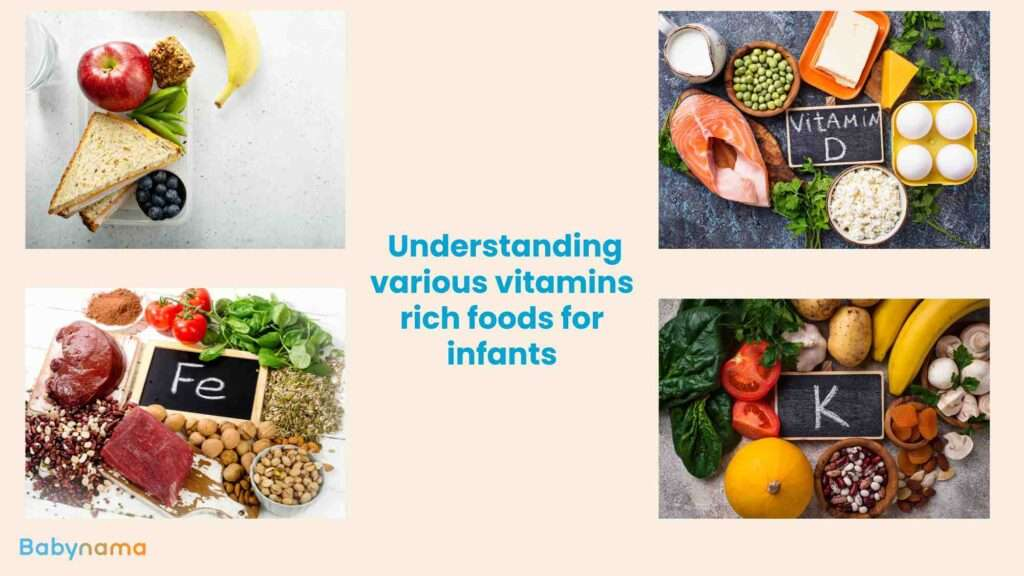
| Nutrient | Indian Foods |
|---|---|
| Iron | Dal, ragi porridge, chana, palak, dates |
| Calcium | Curd (dahi), paneer, ragi |
| Vitamin A | Sweet potato (shakarkandi), carrot (gajar), papaya |
| Vitamin C | Amla, orange, tomato |
| Zinc | Whole wheat, dal, egg yolk |
Traditional wisdom: Our dadi-nani knew the value of homemade sattu, ragi porridge, and dal-chawal - these remain excellent choices for baby’s nutrition!
When to Seek Help
Consult your pediatrician immediately if:
- Baby is not gaining weight properly
- Baby seems unusually tired or weak
- You notice developmental delays
- Baby has been prescribed a special diet
- You’re unsure about baby’s nutritional needs
For routine vitamin questions: Discuss at your regular vaccination visits or well-baby checkups.
Frequently Asked Questions
Q: My mother-in-law says babies need ghuti/gripe water for nutrition. Is this true?
A: No, traditional ghutis and gripe waters are not recommended by pediatricians. They can contain harmful ingredients and don’t provide nutritional benefits. Stick to breast milk, formula, and age-appropriate solid foods.
Q: Can I give my baby the same Vitamin D drops I take?
A: No! Adult supplements have different concentrations. Always use infant-specific Vitamin D drops (like D-Rise drops, commonly available in India).
Q: My baby is formula-fed. Does she still need Vitamin D?
A: If your baby drinks 900ml+ of formula daily, she’s likely getting enough Vitamin D from the formula. Check the label and confirm with your pediatrician.
Q: Is Cerelac enough for all my baby’s nutritional needs?
A: Cerelac is convenient but shouldn’t be the only solid food. Homemade foods like khichdi, dal rice, and fruit purees provide better nutrition variety.
Q: My baby was premature. What extra vitamins does she need?
A: Premature babies often need iron, Vitamin D, and sometimes multi-vitamins. Your NICU doctor or pediatrician will provide specific guidance based on your baby’s needs.
Q: Natural sunlight vs. Vitamin D drops - which is better?
A: While sunlight helps produce Vitamin D, it’s unreliable and unsafe for young babies. Drops provide consistent, measured doses without sun exposure risks.
Key Takeaways
- Most babies don’t need multiple supplements - breast milk and formula provide most nutrients
- Vitamin D is the exception - nearly all breastfed babies need drops
- Focus on varied, nutritious foods once solids start
- Always consult your pediatrician before starting any supplement
- Don’t stress! Your baby is likely getting what they need
This article was reviewed by pediatricians at Babynama. Last updated: January 2026
General information for Indian parents, not a substitute for your pediatrician. In an emergency, call 112 or 108.
Need personalized guidance? Book a consultation with our pediatricians or explore our Care Plans for 24/7 expert support!
Related Tools
Starting Solids? We Can Help!
Expert-guided nutrition plans for your baby.
Explore Nutrition Program