Last updated: January 2026
Quick Answer
Be patient with yourself - healthy post-pregnancy weight loss takes 6-12 months, not weeks! Breastfeeding alone burns 300-500 calories daily, and combined with gentle exercise (starting 6-8 weeks after delivery), nutritious eating, and adequate rest, most women gradually return to their pre-pregnancy weight. This guide covers safe exercises and practical tips specifically for Indian mothers.
The Truth About Post-Pregnancy Weight Loss
What’s Normal
Immediate weight loss (first 2 weeks):
-
5-6 kg lost immediately (baby, placenta, fluids)
-
Swelling reduces over first week
-
This is NOT the weight you “gained” Gradual weight loss:
-
Healthy rate: 0.5 kg per week
-
Most women reach pre-pregnancy weight in 6-12 months
-
Some women retain 2-3 kg permanently (that’s normal too!) Important: Your body took 9 months to gain this weight. Give it at least 6-9 months to lose it safely.
Step-by-Step Guide to Safe Weight Loss
Step 1: Wait Before Starting Exercise
Normal Vaginal Delivery:
-
Light walking: Can start within days
-
Gentle exercises: 2-4 weeks postpartum
-
Regular exercise: 6 weeks (after doctor clearance) C-Section Delivery:
-
Walking: Start slowly after 1-2 weeks
-
Any exercise: Only after 6-8 weeks
-
Get doctor’s clearance before starting any workout Signs You’re Ready:
-
Bleeding has reduced significantly
-
No pain during movement
-
Feeling stronger and more energetic
-
Doctor has given approval
Step 2: Start with Gentle Exercises
Week 2-6: Foundation Phase
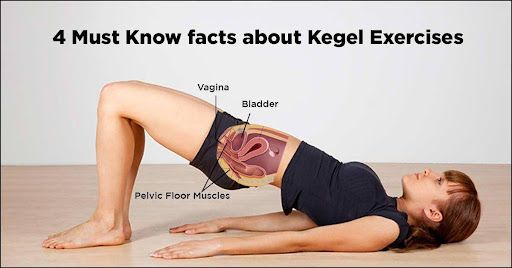
Kegel Exercises (Start Immediately):
Great for pelvic floor recovery - especially important after vaginal delivery.
-
Squeeze muscles used to stop urination
-
Hold for 5 seconds
-
Release slowly
-
Do 10 reps, 3-5 times daily Gentle Walking:
-
Start with 10-15 minutes
-
Increase by 5 minutes each week
-
Walk at a comfortable pace
-
Can do with baby in pram/carrier Deep Breathing:
-
Lie on back, knees bent
-
Breathe deeply into belly
-
Helps engage core muscles gently
Step 3: Progress Gradually (After 6 Weeks)
Pelvic Tilts (Core Strengthening):
-
Lie on back, knees bent, feet flat
-
Tighten stomach muscles
-
Flatten lower back against floor
-
Hold 5-10 seconds
-
Release
-
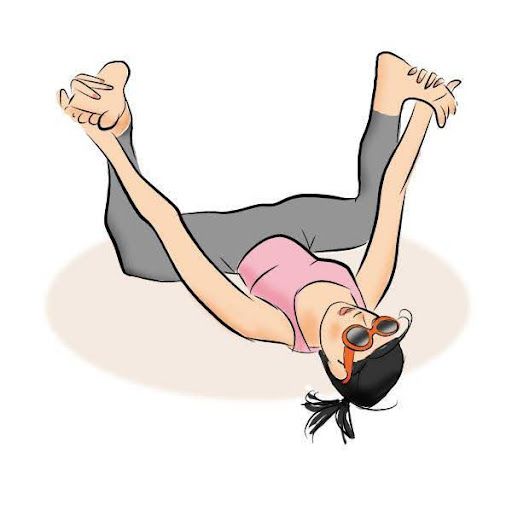
Repeat 10-15 times Happy Baby Yoga Pose:
-
Lie on back
-
Bring knees toward chest
-
Hold outside of feet
-
Gently rock side to side
-
Relaxes pelvic muscles Bridge Exercise:
-
Lie on back, knees bent
-
Lift hips off floor
-
Hold 5-10 seconds
-
Lower slowly
-
Repeat 10 times Cat-Cow Stretch:
-
Get on hands and knees
-
Arch back upward (cat)
-
Then curve downward (cow)
-
Great for back pain relief
Step 4: Add More Activity (After 8-12 Weeks)
Brisk Walking: 30-45 minutes daily
Swimming: Excellent low-impact option
Yoga: Many postpartum yoga classes available
Light Strength Training: Using body weight or light weights
Exercise and Breastfeeding (Stanpan)
Good news: Moderate exercise does NOT affect your milk supply or quality!
Tips for Exercising While Breastfeeding
- Feed before exercise: Breasts will be lighter and more comfortable
- Wear supportive bra: Sports bra or nursing sports bra
- Stay hydrated: Drink extra water (3-4 liters daily)
- Avoid intense exercise initially: Very intense workouts may produce lactic acid that changes milk taste temporarily
- Shower after workout: Before feeding if possible
- Time your workouts: Between feeds when possible
What About Milk Supply?
- Moderate exercise does NOT reduce milk supply
- Dehydration CAN affect supply - drink plenty of water
- Crash dieting WILL affect supply - eat enough calories
- If supply seems low, reduce exercise intensity and increase food intake
Nutrition for Weight Loss (Khaana-Peena)
What to Eat
Traditional Indian Foods That Help:
-
Daliya: Fiber-rich, keeps you full
-
Khichdi: Light, nutritious, easy to digest
-
Dal-chawal: Balanced protein and carbs
-
Roti with sabzi: Whole grains + vegetables
-
Curd/raita: Probiotics, protein
-
Buttermilk (chaas): Hydrating, good for digestion Superfoods for New Mothers:
-
Methi (fenugreek) - also boosts milk supply
-
Saunf (fennel) - digestion and milk production
-
Til (sesame seeds) - calcium rich
-
Dry fruits - energy and nutrients
-
Green leafy vegetables - iron and fiber
What to Avoid
- Crash diets or fasting
- Skipping meals (especially breakfast)
- Excess sugar and maida
- Packaged/processed foods
- Too much ghee in laddoos (moderation is key!)
- Sugary drinks and chai with lots of sugar
Sample Day Plan
| Time | What to Eat |
|---|---|
| 7 AM | Warm water with lemon |
| 8 AM | Daliya with dry fruits OR 2 rotis with sabzi |
| 10:30 AM | Seasonal fruit + handful of nuts |
| 1 PM | Dal + rice/2 rotis + sabzi + salad + curd |
| 4 PM | Coconut water + methi laddoo OR roasted chana |
| 7:30 PM | Light khichdi OR soup + 1 roti + sabzi |
| 9:30 PM | Warm milk (optional) |
Tips for Success
- Be patient: Weight loss takes time - celebrate small victories
- Sleep when you can: Sleep affects weight loss hormones
- Stay hydrated: 3-4 liters water daily
- Don’t skip meals: Eat regularly for steady energy
- Involve baby: Walk with pram, do baby-wearing exercises
- Get support: Join mom groups for motivation
- Rest days matter: Don’t exercise every day initially
Common Mistakes to Avoid
- Starting too soon: Wait for proper healing
- Doing too much: Gradual progress is safer
- Crash dieting: Affects milk supply and energy
- Comparing with others: Every body is different
- Ignoring pain: Pain means stop and rest
- Skipping pelvic floor exercises: Most important foundation
- Not drinking enough water: Dehydration affects everything
When to Seek Help
Stop exercising and see a doctor if:
-
Heavy vaginal bleeding returns
-
Severe pain during or after exercise
-
Dizziness or fainting
-
C-section incision pain or opening
-
Extreme fatigue
-
Signs of infection Consult a physiotherapist if:
-
Urinary leakage during exercise
-
Lower back pain persists
-
Abdominal separation (diastasis recti)
-
Pelvic floor problems
Frequently Asked Questions
Q: Delivery ke baad weight loss kab shuru karun?
A: Don’t rush! Your body needs time to heal. Light walking can start within days, but proper exercise should wait until 6 weeks (normal delivery) or 8 weeks (C-section). Focus on recovery first. Most women who breastfeed and eat well naturally start losing weight without formal exercise.
Q: Kya breastfeeding se weight kam hota hai?
A: Yes! Breastfeeding burns 300-500 calories per day. Many mothers lose weight naturally while breastfeeding. However, don’t diet - you need at least 1800-2000 calories daily for good milk supply. Some mothers retain weight while breastfeeding and lose it after weaning - both are normal.
Q: Pet kam karne ke liye kya karun?
A: Belly fat takes longest to lose - be patient. Start with pelvic floor exercises, then progress to pelvic tilts and gentle core work. Avoid crunches initially (especially if you have abdominal separation). Walking and overall weight loss will gradually reduce belly size. It can take 6-12 months.
Q: C-section ke baad kab exercise kar sakti hoon?
A: Wait at least 6-8 weeks and get doctor’s clearance. Start with very gentle walking, then progress slowly. Avoid any exercise that puts pressure on your incision. Core exercises should start very gently and only after complete healing.
Q: Ghar pe kaun si exercise kar sakti hoon?
A: Walking (indoor or outdoor), yoga stretches, pelvic floor exercises, and bodyweight exercises like squats and lunges (after 6+ weeks) can all be done at home. YouTube has many free postpartum workout videos. Many new mothers exercise during baby’s nap time.
This article was reviewed by a healthcare provider. Be gentle with yourself - your body did an amazing thing. Focus on health over appearance.
This article is for general information for parents in India and is not a substitute for in-person medical advice. Recovery after delivery varies from woman to woman. Always get clearance from your own obstetrician or doctor before starting any postpartum exercise or weight-loss plan, especially after a C-section. In an emergency, call 112 (national emergency) or 108 (ambulance) or go to your nearest hospital.
Need personalized guidance? Book a consultation with our pediatricians or explore our Care Plans for 24/7 expert support!
Related Tools