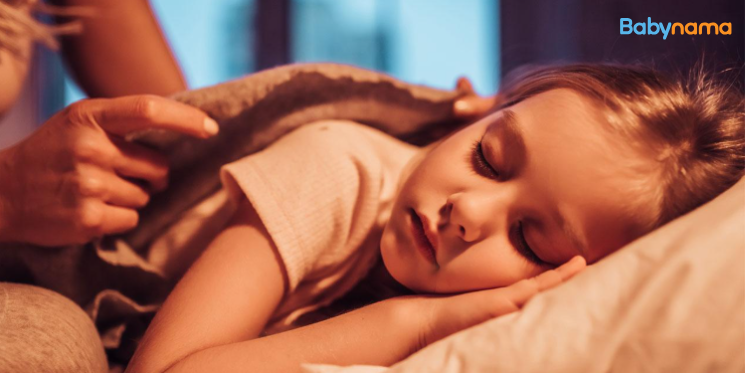
Quick Answer: Good sleep starts with a consistent bedtime routine (bath, book, bed), a dark and cool room (20-22°C), and age-appropriate bedtimes. Many sleep problems improve with routine and consistency. Children need 10-14 hours of sleep depending on age. Limit screens 1-2 hours before bed, avoid caffeine, and create a boring (in a good way!) sleep environment. If problems persist for weeks, consult your pediatrician.
How Much Sleep Does Your Child Need?
| Age | Total Sleep (24 hours) | Night Sleep | Naps |
|---|---|---|---|
| 0-3 months | 14-17 hours | Variable | Variable |
| 4-12 months | 12-16 hours | 9-12 hours | 2-3 naps |
| 1-2 years | 11-14 hours | 10-12 hours | 1-2 naps |
| 3-5 years | 10-13 hours | 10-12 hours | 0-1 nap |
| 6-12 years | 9-12 hours | 9-12 hours | Usually none |
Note: These are ranges. Some children naturally need more or less. Signs of enough sleep: waking happy, alert during day, no behavior problems from tiredness.
The Perfect Bedtime Routine
Why Routine Matters
- Signals to brain that sleep is coming
- Reduces bedtime battles
- Creates positive sleep associations
- Helps body’s internal clock
Sample Routine (30-45 minutes)
| Time Before Bed | Activity |
|---|---|
| 45 min | Bath (calming, not active play) |
| 30 min | Pajamas, brush teeth |
| 20 min | Quiet activity in bedroom |
| 10 min | Books and cuddles |
| 0 min | Lights out, goodnight |
Keys to Success
- Same order every night - Predictability is power
- Same time every night - Even weekends (within 30 min)
- Calm activities only - No roughhousing or exciting games
- Low lighting - Dim lights 30 min before bed
- In the bedroom - Last 15-20 minutes in sleep space
Creating the Ideal Sleep Environment
Temperature
- 20-22°C (68-72°F) - Slightly cool is best
- Overheating disrupts sleep
- Baby needs one more layer than you
Darkness
- Very dark - Darkness triggers melatonin
- Use blackout curtains
- Cover any LED lights
- Okay to use dim nightlight if child is scared (red/orange is best)
Sound
| Helpful | Harmful |
|---|---|
| White noise machine | TV or music with words |
| Consistent background sound | Intermittent noises |
| Fan | Silence in noisy household |
The Bed
- Comfortable mattress
- Appropriate bedding (not too hot)
- For babies: firm, flat surface, nothing in crib
- Favorite sleep toy/blanket for toddlers+ (comfort item)
Age-Specific Sleep Tips
Babies (0-12 months)
| Tip | Why It Helps |
|---|---|
| Learn sleepy cues | Catch the sleep window |
| Put down drowsy but awake | Learns to self-settle |
| Consistent sleep space | Associates crib with sleep |
| Day-night distinction | Bright days, dark nights |
Toddlers (1-3 years)
| Tip | Why It Helps |
|---|---|
| Single nap transition | Around 15-18 months |
| Toddler bed timing | Usually after age 2 |
| Limit bedtime choices | ”This book or that book?” not open-ended |
| Handle curtain calls | Brief, boring check-ins |
Preschoolers (3-5 years)
| Tip | Why It Helps |
|---|---|
| Drop nap gradually | Too much day sleep = night problems |
| Address fears | Monster spray, nightlight |
| Reward chart | Positive reinforcement for staying in bed |
| Consistent consequences | Return to bed calmly, every time |
School Age (6-12 years)
| Tip | Why It Helps |
|---|---|
| No screens 1-2 hours before bed | Blue light blocks melatonin |
| Consistent wake time | Anchors the internal clock |
| Wind-down time | Homework done well before bed |
| Limit caffeine | None after early afternoon |
Common Sleep Problems and Solutions
Difficulty Falling Asleep
| Cause | Solution |
|---|---|
| Bedtime too early | Push bedtime later temporarily |
| Not tired enough | More physical activity during day |
| Too much screen time | No screens 1-2 hours before bed |
| Anxiety | Relaxation techniques, address worries |
| Inconsistent routine | Establish and stick to routine |
Night Wakings
| Cause | Solution |
|---|---|
| Needs to learn self-soothing | Gradual methods (check-and-console) |
| Hungry (babies) | Ensure adequate day feeds |
| Discomfort | Check temperature, diaper, illness |
| Habit | Consistent response that doesn’t reward waking |
Early Morning Waking
| Cause | Solution |
|---|---|
| Bedtime too early | Push bedtime later |
| Light coming in | Better blackout curtains |
| Noise | White noise machine |
| Hungry | Small bedtime snack (protein + carb) |
Nightmares vs Night Terrors
| Feature | Nightmare | Night Terror |
|---|---|---|
| When | Second half of night | First half of night |
| Child remembers | Yes | No |
| Child is | Awake, scared | Asleep, inconsolable |
| What to do | Comfort, reassure | Don’t wake, keep safe, wait |
What to Avoid
Screen Time
- Blue light suppresses melatonin
- Content can be stimulating
- No screens 1-2 hours before bed
- No screens in bedroom
Caffeine
Found in:
- Soda/cola
- Chocolate (especially dark)
- Tea
- Some medications Avoid after early afternoon.
Sugar Before Bed
- Can cause energy spike
- May lead to night waking
- Small healthy snack is fine
Exciting Activities
- Roughhousing
- Exciting TV/games
- Visitors/playdates close to bedtime
Inconsistency
The #1 sleep problem is inconsistency:
- Different bedtimes
- Different responses to night waking
- Breaking rules “just this once”
When to Seek Help
See Your Pediatrician If:
- Sleep problems persist despite consistent routine (2+ weeks)
- Child snores loudly or has pauses in breathing during sleep — get this checked promptly (witnessed pauses in breathing, gasping, or a baby turning blue is a medical emergency: 🚨 call 112 or 108 / nearest hospital)
- Restless legs or unusual movements during sleep
- Extreme difficulty waking in morning
- Excessive daytime sleepiness despite adequate hours
- Sleep problems affecting behavior, school, or family life
Possible Medical Causes
- Sleep apnea
- Restless leg syndrome
- Allergies/congestion
- Reflux
- Eczema (itching disturbs sleep)
- Anxiety or depression
Frequently Asked Questions
Q: Should I let my child sleep in my bed?
A: For babies under 1 year, the IAP and AAP advise against bed-sharing because it raises the risk of SIDS and sleep-related death; instead, room-share with your baby on a separate firm, flat surface (crib or bassinet) close to your bed. For children over 1 year, bed-sharing is a personal family choice — if it works for your family and everyone sleeps well, it’s reasonable. If it’s disrupting sleep, transition to their own bed gradually.
Q: My toddler fights bedtime every night. Help!
A: Bedtime battles often mean bedtime is too early or the routine has too many negotiation points. Try pushing bedtime slightly later and giving only 2 limited choices during routine. Stay calm, consistent, and boring with protests.
Q: Is melatonin safe for children?
A: Melatonin should only be used under pediatrician guidance. It can be helpful short-term for specific situations, but behavioral approaches should be tried first. Long-term safety in children isn’t well studied.
Q: My child only falls asleep with me lying next to them. How do I change this?
A: Gradually move yourself farther away over 1-2 weeks. Night 1-3: sit on bed. Night 4-6: sit on chair next to bed. Night 7-9: chair across room. Eventually, outside the door. Consistency is key.
Q: How do I handle time changes (daylight saving)?
A: Gradually shift bedtime by 15 minutes every few days before the change. Or adjust “cold turkey” - most children adapt within a few days.
Key Takeaways
- Routine is everything - Same sequence, same time, every night
- Dark, cool, quiet room - Optimal sleep environment
- Age-appropriate bedtime - Based on sleep needs and wake time
- No screens before bed - 1-2 hours minimum
- Consistency matters most - Even when it’s hard
- Problem-solve systematically - One change at a time
- Seek help if needed - Persistent problems deserve evaluation
This article was reviewed by pediatricians at Babynama. Last updated: January 2026
General information for Indian parents, not a substitute for your pediatrician. In an emergency, call 112 or 108.
Need personalized guidance? Book a consultation with our pediatricians or explore our Care Plans for 24/7 expert support!
Related Tools
Want Better Sleep for Your Baby?
Our sleep training program helps babies and parents rest better.
Explore Sleep Training