
Benefits of Breastfeeding for Both Mom and Baby
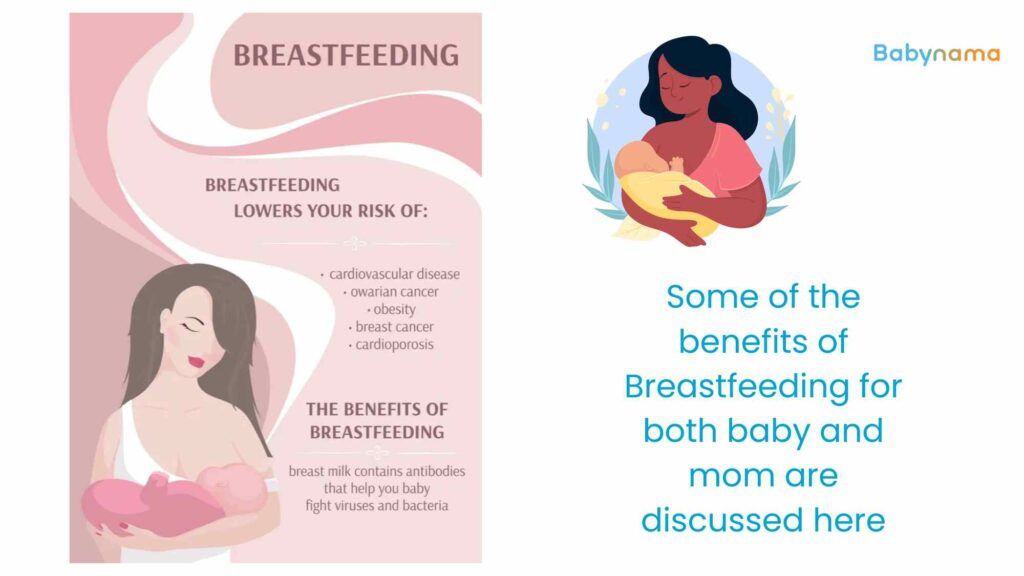
Quick Answer: Breastfeeding offers incredible benefits for both you and your baby! For baby: perfect nutrition, stronger immunity, better brain development, and reduced disease risk. For mother: faster recovery, weight loss, lower cancer risk, and a deep emotional bond. Even if breastfeeding is challenging, any amount of maa ka doodh helps. You’re giving your baby the best possible start!
Why is Breast Milk Called “Liquid Gold”?
Breast milk is truly a miracle - it’s not just food, it’s medicine, protection, and love all in one. Here’s why pediatricians worldwide call it “liquid gold”:
- Perfectly designed for human babies
- Living fluid - contains live cells that fight infection
- Changes composition to match baby’s needs
- Free and always available at the right temperature
- Cannot be replicated by any formula
Reassurance: Even if you can only breastfeed for a short time, every drop counts! Don’t feel guilty about challenges - fed is best, and any amount of breast milk provides benefits.
Benefits of Breastfeeding for Baby
1. Perfect Nutrition (Sampurn Poshan)
| Nutrient | What It Does | Why It Matters |
|---|---|---|
| Proteins | Easy to digest | Better absorbed than formula |
| Fats | Brain development | DHA for cognitive growth |
| Carbohydrates | Energy + gut health | Lactose feeds good bacteria |
| Vitamins & Minerals | Overall development | Perfectly balanced |
| Water | Hydration | No extra water needed (first 6 months) |
The magic: Breast milk composition changes throughout the day and as baby grows! Morning milk differs from evening milk, and newborn milk differs from 6-month milk.
2. Immunity Boost (Rog Pratirodhak Shakti)
Breast milk contains antibodies that protect your baby like a natural vaccine:
Colostrum (first 3-5 days milk):
-
Super concentrated with antibodies
-
Called “baby’s first vaccination”
-
Coats the gut to prevent infections
-
Rich in IgA (immunoglobulin A) Mature milk continues to provide:
-
Antibodies from illnesses YOU had
-
White blood cells to fight infection
-
Compounds that kill harmful bacteria
-
Protection that formula simply cannot offer
3. Disease Prevention
Breastfed babies have lower risk of:
In infancy:
-
Ear infections (50% less!)
-
Respiratory infections
-
Diarrhea and vomiting
-
Urinary tract infections
-
SIDS (Sudden Infant Death Syndrome) Long-term protection:
-
Type 1 and Type 2 diabetes
-
Childhood obesity
-
Asthma and allergies
-
Eczema
-
Childhood leukemia
-
Crohn’s disease
-
Celiac disease Indian context: In India, where diarrheal diseases are still common, breastfeeding provides crucial protection. Exclusively breastfed babies have significantly lower risk of life-threatening infections.
4. Brain Development (Dimag Ka Vikas)
- Breast milk is rich in DHA and cholesterol - essential for brain growth
- Studies show higher IQ scores in breastfed children
- Better cognitive development and school performance
- Promotes healthy brain connections
5. Healthy Weight
- Breastfed babies self-regulate intake
- Lower risk of childhood obesity
- Learn hunger and fullness cues naturally
- Sets healthy eating patterns for life
6. Better Digestion
- Breast milk is easier to digest than formula
- Less constipation and gas
- Fewer tummy problems
- Establishes healthy gut bacteria
Benefits of Breastfeeding for Mother
1. Faster Recovery After Delivery
Oxytocin release during breastfeeding:
- Helps uterus contract back to size
- Reduces postpartum bleeding
- Speeds up overall recovery Studies show: Mothers who breastfeed experience faster involution (uterus returning to normal size).
2. Weight Loss (Vajan Kam Karna)
- Breastfeeding burns 500+ calories per day
- Equivalent to moderate exercise!
- Fat stored during pregnancy is used for milk production
- Gradual, healthy weight loss Note: Don’t diet while breastfeeding - you need extra calories. The weight comes off naturally for most mothers.
3. Lower Risk of Serious Diseases
| Disease | Risk Reduction |
|---|---|
| Breast cancer | Significantly reduced |
| Ovarian cancer | Lower risk |
| Osteoporosis | Stronger bones long-term |
| Type 2 diabetes | Reduced risk |
| Cardiovascular disease | Heart health benefits |
| Rheumatoid arthritis | Lower risk |
| High blood pressure | Better BP control |
The longer you breastfeed, the greater the protection!
4. Mental Health Benefits
- Oxytocin promotes relaxation and bonding
- Lower rates of postpartum depression
- Reduced stress and anxiety
- Sense of accomplishment and connection
5. Convenience and Cost Savings
Practical benefits:
-
Always available - no preparation needed
-
Always right temperature
-
No bottles to clean at 3 AM!
-
No measuring or mixing
-
Travel-friendly Cost savings:
-
Formula costs Rs. 2,000-5,000 per month
-
Bottles, sterilizers, warmers add up
-
Breastfed babies have fewer doctor visits
-
Less time off work for sick child
6. Bonding (Maa-Bacche Ka Pyar)
- Skin-to-skin contact releases “love hormones”
- Creates secure attachment
- Special time just for you and baby
- Emotional connection that lasts a lifetime
The First Milk: Colostrum (Pehla Doodh)
Why colostrum is precious:
| Property | Benefit |
|---|---|
| Thick, golden color | Concentrated nutrition |
| Small quantity | Perfect for tiny stomach |
| High in protein | Growth and strength |
| Rich in antibodies | Immune protection |
| Laxative effect | Helps pass meconium |
Important: In some Indian cultures, there’s a myth about discarding colostrum. Please DON’T! Colostrum is the most precious first food for your baby.
How Long Should You Breastfeed?
WHO and IAP Recommendations:
| Duration | Recommendation |
|---|---|
| 0-6 months | Exclusive breastfeeding (no water, no food) |
| 6-12 months | Breastfeeding + complementary foods |
| 12-24 months | Continued breastfeeding as desired |
| Beyond 2 years | As long as mother and baby want |
Reality check: Not everyone can or wants to breastfeed for 2 years. Any duration provides benefits:
- 1 week = better than none
- 1 month = great start
- 6 months = significant protection
- 1 year = maximum benefits
But What About Vitamin D?
The one thing breast milk doesn’t provide enough of is Vitamin D.
Recommendation:
- All breastfed babies should receive Vitamin D drops
- 400 IU daily from birth
- Continue until getting enough from diet/sunlight This doesn’t mean breast milk is incomplete - it’s designed for babies who get sun exposure, which isn’t safe or practical for most infants.
Common Concerns Addressed
”I don’t have enough milk”
Most mothers produce exactly what baby needs. Frequent feeding increases supply. True low supply is rare.
”My baby is always hungry”
Breast milk digests quickly (1.5-2 hours), so frequent feeding is normal. This doesn’t mean you don’t have enough!
”Formula-fed babies sleep longer”
True, but not necessarily better. Breast milk is designed for frequent feeding to match baby’s stomach size.
”Breastfeeding is too hard”
It has a learning curve. Get support from lactation consultants. Most problems have solutions!
Frequently Asked Questions
Q: If breast milk is so great, why do some mothers use formula?
A: Many valid reasons - medical conditions, medications, adoption, low supply despite trying, need to work. Formula is a safe alternative when needed. No judgment - fed is best!
Q: Can I breastfeed if I’m sick?
A: Usually yes! Your milk will contain antibodies that protect your baby. Check with your doctor about specific medications.
Q: Does breastfeeding hurt?
A: It shouldn’t hurt once you have a good latch. Initial tenderness is common, but ongoing pain means something needs to be corrected.
Q: Can I breastfeed after a C-section?
A: Absolutely! It may take a bit longer for milk to come in, but C-section mothers can successfully breastfeed.
Q: Will breastfeeding make my breasts sag?
A: Pregnancy, not breastfeeding, causes changes in breast tissue. Weaning gradually and wearing supportive bras helps.
Q: Can I drink chai while breastfeeding?
A: Moderate caffeine (1-2 cups) is fine for most babies. If baby seems fussy, reduce intake.
Key Takeaways
- Breast milk is perfectly designed - Nothing can truly replicate it
- Benefits are lifelong - For both baby and mother
- Any amount helps - Don’t feel guilty about challenges
- Immunity is a superpower - Breast milk protects like no other food
- Mother benefits too - Not just for baby!
- Support is available - Don’t struggle alone
This article was reviewed by pediatricians at Babynama. Last updated: January 2026
Need breastfeeding support? Book a lactation consultation on Babynama - we’re here to help you succeed!
Need personalized guidance? Book a consultation with our pediatricians or explore our Care Plans for 24/7 expert support!
Related Tools
Need Expert Breastfeeding Support?
Get personalized guidance from certified lactation consultants.
Explore Breastfeeding Program