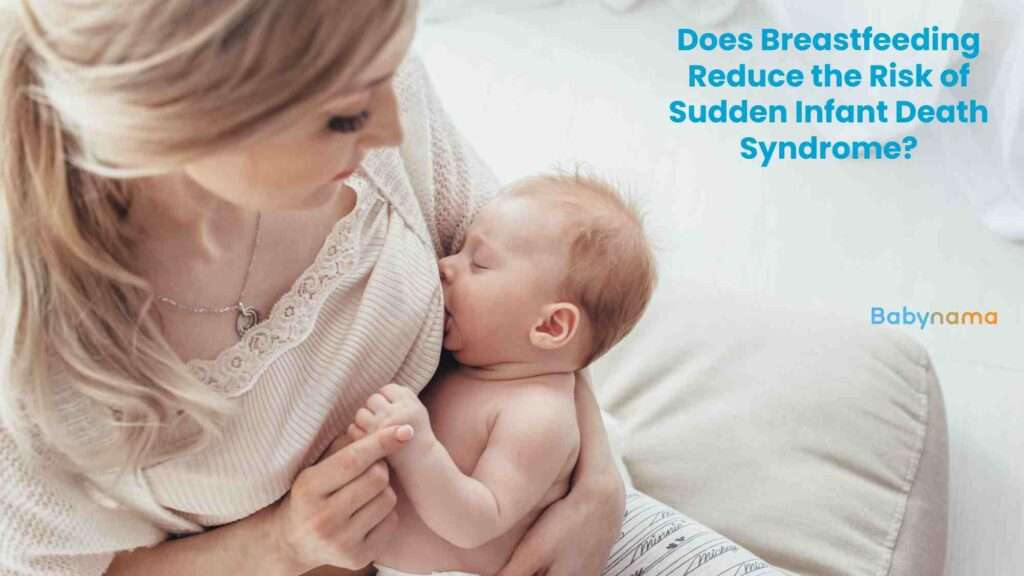
Breastfeeding and SIDS Prevention
Quick Answer: YES, breastfeeding significantly reduces the risk of SIDS (Sudden Infant Death Syndrome)! Studies show exclusive breastfeeding for at least 2 months can reduce SIDS risk by up to 50%. Even partial breastfeeding offers protection. Breast milk provides immune factors that help baby’s brain and body regulate breathing and arousal during sleep. Combined with safe sleep practices, breastfeeding is one of the most powerful ways to protect your baby.
What is SIDS?
Understanding Sudden Infant Death Syndrome
| Fact | Detail |
|---|---|
| What is it? | Unexplained death of seemingly healthy baby during sleep |
| When does it occur? | Most common between 1-4 months, risk decreases after 6 months |
| Other names | Cot death, crib death |
| Peak risk | 2-4 months of age |
| Why it happens | Combination of vulnerability + critical development period + external stressors |
Important: SIDS is rare, but understanding prevention can give you peace of mind and protect your baby.
How Breastfeeding Protects Against SIDS
The Research Is Clear
| Finding | Details |
|---|---|
| Any breastfeeding | Reduces SIDS risk by 36% |
| Exclusive breastfeeding (2+ months) | Reduces risk by 50% |
| Longer breastfeeding | Greater protection |
| Effect is independent | Protection exists even after controlling for other factors |
Why Does Breast Milk Protect?
| Mechanism | How It Helps |
|---|---|
| Immune factors | Antibodies protect against infections that increase SIDS risk |
| Better arousal | Breastfed babies arouse more easily from sleep |
| Shorter sleep cycles | More frequent waking may be protective |
| Brain development | DHA and nutrients support brainstem development |
| Lower infection risk | Fewer respiratory infections (a SIDS risk factor) |
| Temperature regulation | Better body temperature control |
Safe Sleep Guidelines: The ABCs of Safe Sleep
SIDS Prevention Checklist
| Guideline | Details |
|---|---|
| A - Alone | Baby sleeps alone, not with toys, pillows, or blankets |
| B - Back | Always place baby on BACK to sleep |
| C - Crib | Use a firm, flat sleep surface (crib, bassinet) |
Complete Safe Sleep Practices
| DO | DON’T |
|---|---|
| Place baby on back for every sleep | Put baby to sleep on tummy or side |
| Use firm, flat mattress | Use soft mattresses, pillows, or cushions |
| Keep crib empty (no toys, blankets) | Add stuffed animals, loose bedding |
| Room share for first 6-12 months | Bed share (especially on soft surface) |
| Use sleep sack instead of blanket | Cover baby’s face or head |
| Keep room cool (22-24°C) | Overheat baby with too many layers |
| Offer pacifier at sleep time | Force pacifier if baby refuses |
| Breastfeed | Smoke during pregnancy or after birth |
Risk Factors for SIDS
Understanding What Increases Risk
| Risk Factor | Why It Matters |
|---|---|
| Sleeping on stomach/side | Baby may rebreathe exhaled air |
| Soft bedding | Suffocation risk |
| Overheating | Affects arousal response |
| Maternal smoking | During pregnancy or after |
| Secondhand smoke | Exposure increases risk |
| Bed sharing | Especially on soft surfaces, with smokers |
| Premature birth | Higher vulnerability |
| Low birth weight | Higher vulnerability |
| Not breastfeeding | Missing protective benefits |
SIDS Prevention: Complete Checklist for Indian Parents
Before Birth
- Don’t smoke during pregnancy
- Avoid alcohol during pregnancy
- Get good prenatal care
- Plan to breastfeed
After Birth
- Place baby on BACK for every sleep
- Use firm, flat sleep surface
- Room share (separate sleep space)
- Breastfeed exclusively if possible
- Keep soft objects out of sleep area
- Don’t overheat baby
- Ensure smoke-free environment
- Consider offering pacifier at naptime/bedtime
Common Questions About SIDS and Sleep Safety
Is Co-Sleeping Safe?
Room sharing: YES (recommended)
Bed sharing: RISKY
| Safe Room Sharing | Risky Bed Sharing |
|---|---|
| Baby in crib/bassinet in parents’ room | Baby in adult bed |
| Reduces SIDS by up to 50% | Increases risk, especially with soft bedding |
| Recommended for first 6-12 months | Extra risk if parent smokes, consumed alcohol, or very tired |
Indian context: Many families practice co-sleeping traditionally. If you choose to bed share, follow safe co-sleeping guidelines strictly (firm surface, no pillows near baby, breastfeeding mother not under influence of alcohol/sedatives).
What About Sleeping on Tummy for Reflux?
Common Concern Addressed
Q: My baby has reflux. Should they sleep on their tummy?
A: NO. Back sleeping is still safest even with reflux. Healthy babies have reflexes to prevent choking. Elevating the head of the crib is NOT recommended by AAP.
For reflux:
- Hold baby upright 20-30 minutes after feeds
- Feed smaller amounts more frequently
- Burp well during and after feeds
- Still place baby on BACK to sleep

When Does SIDS Risk Decrease?
Understanding the Timeline
| Age | Risk Level |
|---|---|
| 0-1 month | Lower risk (building up) |
| 1-4 months | HIGHEST risk period |
| 4-6 months | Still elevated |
| 6-12 months | Decreasing significantly |
| After 1 year | Very low risk |
Continue safe sleep practices until baby’s first birthday.
Breastfeeding Duration and SIDS Protection
How Long to Breastfeed for Protection?
| Duration | Protection Level |
|---|---|
| Any breastfeeding | Some protection |
| 2 months exclusive | Significant protection (50% reduction) |
| 4-6 months | Strong protection |
| 6+ months | Maximum protection |
Reassurance: Even if exclusive breastfeeding isn’t possible, partial breastfeeding (combination with formula) still offers protection. Every drop of breast milk helps!
If You Can’t Breastfeed
Other SIDS Prevention Strategies
If breastfeeding isn’t possible, focus on all other protective factors:
- Back to sleep - Every sleep, every time
- Firm sleep surface - No soft mattresses
- Empty crib - No toys, blankets, pillows
- Room sharing - First 6-12 months
- Smoke-free environment - Critical!
- Avoid overheating - Dress baby appropriately
- Pacifier use - Offered at sleep times
- Immunizations - Keep vaccines up to date
Signs Baby is Sleeping Safely
Checklist for Every Sleep
- Baby is on their back
- Mattress is firm and flat
- No blankets, pillows, toys in sleep space
- Face and head are uncovered
- Baby is not overheated
- Room temperature comfortable (22-24°C)
- Baby is in their own sleep space
Frequently Asked Questions
Q: My baby keeps rolling to tummy. What should I do?
A: Once baby can roll both ways (back to tummy AND tummy to back), you can leave them in the position they choose. But always START them on their back. Most babies develop this skill around 4-6 months.
Q: Is swaddling safe?
A: Yes, swaddling is safe for newborns who can’t roll. Stop swaddling when baby shows signs of rolling (usually around 3-4 months). Transition to sleep sack.
Q: My mother says babies sleep better on tummy. Is this true?
A: Some babies do seem to prefer tummy sleeping, but it significantly increases SIDS risk. Always place baby on back. They will get used to it!
Q: Can I use a tilted pillow or wedge for reflux?
A: No. Inclined sleepers and wedges are NOT recommended and have been recalled due to safety concerns. A flat, firm surface is safest.
Q: Does using a fan in the room help?
A: Some studies suggest good room ventilation (fan circulation) may reduce SIDS risk by preventing rebreathing of exhaled air. Keep baby comfortable and not in direct draft.
Q: We live in a joint family with smokers. What should we do?
A: Ensure baby’s sleep space is completely smoke-free. Smokers should wash hands and change clothes before holding baby. Never smoke in the same room as baby.
Key Takeaways
- Breastfeeding reduces SIDS by up to 50% - Even partial breastfeeding helps
- Always back to sleep - Most important single action
- Firm, flat, empty crib - No soft bedding or toys
- Room share, not bed share - Baby in own sleep space in parents’ room
- No smoking - Zero exposure to smoke
- Don’t overheat - Dress baby appropriately
- Peak risk is 1-4 months - Be extra vigilant during this time
- Continue safe practices - Until baby’s first birthday
This article was reviewed by pediatricians at Babynama. Last updated: January 2026
Need personalized guidance? Book a consultation with our pediatricians or explore our Care Plans for 24/7 expert support!
Related Tools
Need Expert Breastfeeding Support?
Get personalized guidance from certified lactation consultants.
Explore Breastfeeding Program