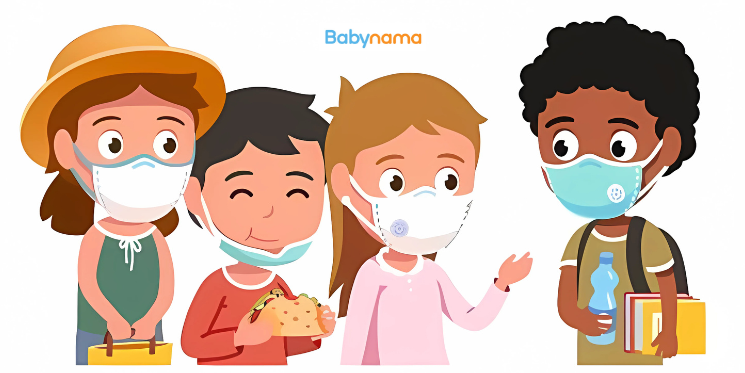
Quick Answer: When kids start school, they inevitably catch illnesses - it’s how they build immunity. The most common are colds (6-8 per year!), stomach bugs, pink eye, ear infections, and hand-foot-mouth disease. Most are viral and resolve with rest and fluids. Your job: know when to keep them home, when to see a doctor, and how to prevent spread. Good news - they get sick less often as they get older!
Why School = More Sick Days
Schools are germ-sharing environments:
- Close contact with many children
- Shared toys, books, surfaces
- Common bathrooms
- Young immune systems still learning
- Kids touch everything (then their faces!)
The Good News
Getting sick actually helps!
- Each illness builds immunity
- By school age, frequency decreases
- Most illnesses are mild and self-limiting
Top 10 School Illnesses (Quick Reference)
| Illness | Main Symptoms | Duration | Contagious? |
|---|---|---|---|
| Common Cold | Runny nose, cough | 7-10 days | Very |
| Stomach Bug | Vomiting, diarrhea | 1-3 days | Very |
| Hand-Foot-Mouth | Mouth sores, rash | 7-10 days | Very |
| Pink Eye | Red, itchy eye, discharge | 3-7 days | Yes (bacterial) |
| Ear Infection | Ear pain, fever | 3-5 days | Not directly |
| Flu | High fever, body aches | 5-7 days | Very |
| Strep Throat | Severe sore throat, fever | Until treated | Yes |
| Head Lice | Itchy scalp, nits | Until treated | Contact required |
| Impetigo | Crusty sores | Until treated | Yes |
| Ringworm | Red ring-shaped rash | Until treated | Yes |
Managing the Big Five
1. The Common Cold
What you’ll see:
- Runny or stuffy nose
- Cough
- Mild fever
- Tiredness
Home care:
- Rest and fluids
- Honey for cough (only over 1 year — never give honey to babies under 1)
- Saline drops for congestion
- Steam/humidifier
School status: Keep home if fever or too uncomfortable
2. Stomach Bugs (Gastroenteritis)
What you’ll see:
- Vomiting
- Diarrhea
- Stomach cramps
- Fever
Home care:
- Small, frequent sips of WHO-ORS (Electral / packaged ORS made up exactly as per the packet)
- Once keeping fluids down, offer light, bland Indian foods: khichdi, curd-rice (dahi-chawal), suji/rava porridge, mashed banana, dal-rice
- Keep breastfeeding if your baby is breastfed
- Rest
School status: Keep home until 24-48 hours after the last episode of vomiting or diarrhoea
3. Hand-Foot-Mouth Disease
What you’ll see:
- Fever
- Painful mouth sores
- Rash on hands, feet (sometimes buttocks)
Home care:
- Cool, soft foods and drinks (curd, mashed banana, cool milk)
- Paracetamol for pain/fever if your pediatrician advises (see dosing note below)
- Avoid acidic/spicy foods
- Watch closely for dehydration — mouth ulcers can make children refuse fluids
School status: Can return when fever-free and sores are healing
4. Pink Eye (Conjunctivitis)
What you’ll see:
- Red, irritated eye(s)
- Discharge (clear = viral; yellow/green = bacterial)
- Crusting on eyelids
Home care:
- Warm compresses
- Keep hands clean
- Don’t share towels
School status: Bacterial - return 24h after starting drops. Viral - when comfortable
5. Ear Infections
What you’ll see:
- Ear pain (tugging at ear in babies)
- Fever
- Fussiness, trouble sleeping
- Sometimes fluid draining
Home care:
- Paracetamol for pain/fever if your pediatrician advises (see dosing note below)
- Warm compress
- Many resolve without antibiotics — let your pediatrician decide
School status: Can attend if comfortable and no fever
A Note on Paracetamol (Fever/Pain Relief)
Paracetamol (e.g. Crocin, Calpol) is the usual first choice for fever or pain in children in India. Use it correctly:
- Dose by weight, not age: 15 mg/kg per dose.
- Frequency: every 4-6 hours as needed, and no more than 4 doses (about 60 mg/kg) in 24 hours.
- Check the syrup strength on the bottle before measuring — common Indian syrups are 120 mg/5 ml or 250 mg/5 ml, so the same dose needs a different volume. Use the measuring cup/syringe that comes with it, not a kitchen spoon.
- Babies under 3 months: do not give any fever medicine on your own — see a doctor first (see the red flag below).
- Treat the child’s discomfort, not just the number on the thermometer.
🚨 Babies under 3 months: ANY fever of 100.4°F (38°C) or higher is a same-day emergency. Do not medicate and wait at home — get your baby seen by a doctor or go to the nearest hospital the same day.
The “Keep Home or Send?” Decision
Keep Home If:
| Sign | Reason |
|---|---|
| Fever (100.4°F / 38°C or higher) | Contagious and uncomfortable |
| Vomiting/diarrhea | Contagious, needs fluids |
| Severe symptoms | Too sick to learn |
| Contagious rash | Spreads to others |
| Pink eye with discharge | Highly contagious |
Can Go to School If:
- Mild cold symptoms, no fever
- Feeling well enough to participate
- 24 hours fever-free (without medication)
- On antibiotics 24+ hours
- Condition isn’t contagious
Prevention at Home
Daily Habits
| Habit | How to Implement |
|---|---|
| Handwashing | Before meals, after bathroom, when home from school |
| Don’t share | Water bottles, utensils, lip balm |
| Cover coughs | Into elbow, not hands |
| Stay home when sick | Prevents spreading |
Immune Support
- Balanced diet (fruits, vegetables, protein)
- 9-12 hours sleep (depending on age)
- Regular physical activity
- Up-to-date vaccinations as per the IAP immunisation schedule
- Manage stress
Prepare the Home
- Keep a thermometer handy
- Stock WHO-ORS (Electral/ORS sachets), paracetamol syrup (note its strength), and saline nasal drops
- Have sick-day Indian foods ready (khichdi, curd-rice, suji porridge, bananas)
- Plan for work absences
When to Call the Doctor
See Doctor Today If:
- High fever (above 39°C)
- Fever lasting more than 3 days
- Signs of dehydration
- Severe ear or throat pain
- Difficulty breathing
- Symptoms worsening after improvement
- Any fever in a baby under 3 months (100.4°F / 38°C or higher) — same day, don’t wait
Emergency Signs (Get Help Immediately):
- Struggling to breathe / fast or laboured breathing
- Blue lips or face
- Stiff neck with fever
- Won’t wake up or very drowsy / unresponsive
- Seizure (fits)
- Signs of severe dehydration (no urine for many hours, sunken eyes, very lethargic)
🚨 If you see any of these, call 112 (national emergency) or 108 (ambulance), or go to the nearest hospital right away. If your child has a prescribed adrenaline auto-injector for a severe allergy, use it first, then call for help.
Antibiotic Reality Check
| Illness | Need Antibiotics? |
|---|---|
| Common cold | NO - viral |
| Flu | NO - viral (antivirals different) |
| Stomach bug | NO - usually viral |
| Hand-foot-mouth | NO - viral |
| Ear infection | Sometimes - many resolve alone |
| Strep throat | YES - bacterial |
| Pink eye | Depends on type |
Important: Using antibiotics for viral infections doesn’t help and contributes to antibiotic resistance. Trust your doctor’s assessment.
Frequently Asked Questions
Q: My child gets sick constantly. Is their immune system weak?
A: Probably not! Children in school/daycare get 8-12 infections per year - this is normal. If they recover normally and are growing well, their immune system is working fine. Frequency decreases with age.
Q: Should I keep my child home for a mild cold?
A: If no fever and child feels well enough to participate, school is fine. Mild sniffles are nearly constant in school-age children, especially in winter.
Q: How long is my child contagious?
A: Varies by illness. Generally, most contagious in first 2-3 days of symptoms. Fever is a good marker - consider them contagious while febrile.
Q: Can I send my child to school with medicine?
A: Depends on school policy. Coordinate with school nurse. Never send a child who needs fever medicine to control fever - they’re still sick!
Q: How do I strengthen my child’s immunity?
A: Sleep, nutrition, exercise, and vaccines are the foundation. No supplement or product dramatically “boosts” immunity. Getting sick and recovering actually is how immunity builds.
Key Takeaways
- Expect 8-12 illnesses per year for school-age kids - it’s normal
- Most are viral and resolve with rest and fluids
- Keep home if: Fever, vomiting, too sick to participate
- Prevention: Handwashing, sleep, nutrition, vaccines
- Know when to worry: High/prolonged fever, dehydration, breathing trouble
- Frequency decreases as immune system matures
This article was reviewed by pediatricians at Babynama. Last updated: January 2026
General information for Indian parents, not a substitute for your pediatrician. In an emergency, call 112 or 108.
Need personalized guidance? Book a consultation with our pediatricians or explore our Care Plans for 24/7 expert support!
Related Tools