Quick Answer
Yes, childhood asthma is manageable and most children can live active, full lives. Asthma is one of the most common chronic conditions of childhood worldwide and often begins before age 5. With proper medication and trigger avoidance, most children can play sports, sleep through the night (achhi neend), and attend school regularly.

What Causes Childhood Asthma
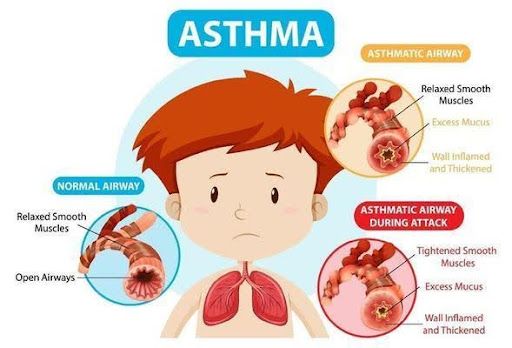
Asthma is a chronic lung condition where airways become inflamed and narrow, making breathing difficult.
What happens in asthma:
- Airways swell (soojhan)
- Muscles around airways tighten
- Extra mucus (balgam) is produced
- Air can’t flow properly = wheezing, coughing Risk factors (Kisko zyada risk hai):
| Risk Factor | Explanation |
|---|---|
| Family history | If parents have asthma/allergies |
| Allergies | Eczema, food allergies, hay fever |
| Premature birth | Lungs may not be fully developed |
| Pollution exposure | Air pollution, smoking around child |
| Obesity | Overweight children have higher risk |
| C-section delivery | Some studies show slightly higher risk |
Good news: Many children’s asthma improves significantly or disappears as they grow older!
Symptoms to Watch For (Lakshan)
Classic asthma symptoms:
- Khansi (Cough) - Especially at night, early morning, during exercise
- Seeti ki awaaz (Wheezing) - Whistling sound when breathing
- Sans phoolna (Breathlessness) - Getting tired quickly during play
- Seene mein jakdan (Chest tightness) - Child says “chest feels heavy”
- Raat ko khansi - Cough that disturbs sleep (neend kharab) Severity levels:
| Severity | Signs | Impact on Daily Life |
|---|---|---|
| Mild | Occasional cough/wheeze | No sleep disturbance, can play normally |
| Moderate | Regular symptoms, night waking | Raat ko jagta hai, can’t run around easily |
| Severe | Daily symptoms, very breathless | Can’t sleep, can’t eat/talk, very tired |
Home Management (Ghar Pe Kya Karein)
Trigger Avoidance (Sabse Zaroori)
| Trigger | How to Avoid |
|---|---|
| Dust mites | Wash bedding weekly in hot water, use mattress covers |
| Pollution | Stay indoors on bad AQI days, use air purifier |
| Smoke | No smoking at home, avoid agarbatti/dhoop near child |
| Cold air | Cover nose/mouth with muffler in winter |
| Strong smells | Avoid phenyl, room fresheners near child |
Environment Optimization
- Keep bedroom clean and dust-free
- Remove carpets if possible
- No stuffed toys on bed
- Keep pets out of bedroom
- Use air purifier during pollution season
Lifestyle Tips
- Regular exercise - Swimming is excellent for asthmatic children
- Maintain healthy weight
- Stay hydrated
- Good sleep hygiene - Consistent bedtime routine
When to See a Doctor
🚨 EMERGENCY - Call 112 (national emergency) or 108 (ambulance) / go to the nearest hospital immediately if:
- Very fast breathing, ribs visible with each breath
- Blue lips or fingernails
- Can’t speak in full sentences
- Inhaler not helping
- Child is drowsy or confused
- Severe panic/anxiety
While arranging transport, give the reliever inhaler as per your child’s Asthma Action Plan if you have one.
Schedule appointment if:
- Symptoms getting worse over days
- Needing reliever inhaler more than usual
- Night coughing increasing
- Missing school due to symptoms
- Symptoms affecting daily activities
Treatment Options (Ilaaj)
Medications
1. Relievers (Emergency/Rescue)
-
Used during symptoms
-
Works in minutes
-
Opens airways quickly
-
Examples: Salbutamol (Asthalin), Levosalbutamol 2. Controllers (Daily Prevention)
-
Used EVERY DAY even when feeling fine
-
Prevents attacks
-
Takes weeks to show full effect
-
Examples: Budesonide, Fluticasone (inhaled steroids)
Delivery Devices
| Device | Best For | Notes |
|---|---|---|
| MDI with Spacer + Mask | Children under 6 | Most effective method |
| MDI with Spacer | Children 6+ | Child breathes through mouthpiece |
| Nebulizer | Very young/sick children | Same medicine, different delivery |
| Dry Powder Inhaler | Older children | Requires good coordination |
Common spacers in India: Zerostat, Aerochamber, Babyhaler
Prevention
You can’t prevent asthma, but you can prevent attacks:
- Take controller medicine daily as prescribed
- Avoid known triggers
- Keep rescue inhaler always available
- Have an Asthma Action Plan from doctor
- Get flu vaccine yearly
- Don’t stop medicines without doctor’s advice
Frequently Asked Questions
Q: Bachcha raat ko bahut khaans-ta hai aur jagta hai. Kya yeh asthma hai?
A: Night coughing (raat ko khansi) that regularly disturbs sleep is a classic sign of asthma. If it happens frequently and you notice wheezing or breathlessness too, consult a pediatrician for evaluation. Other causes include post-nasal drip or acid reflux, so proper diagnosis is important.
Q: Inhaler lene se aadat pad jaati hai kya?
A: Bilkul nahi! This is a very common myth. Inhalers are NOT addictive. Asthma is a chronic condition that needs ongoing management. Stopping inhaler doesn’t cure asthma - it just removes the treatment. Many children reduce or stop medicines as they grow, under doctor’s guidance.
Q: Nebulizer better hai ya inhaler?
A: Actually, inhalers with spacer are BETTER than nebulizers for most situations! They’re faster, portable, and deliver medicine more effectively. Nebulizers are useful for very young children or during severe attacks. Same medicine, just different delivery method.
Q: Kya asthmatic bachcha sports khel sakta hai?
A: Yes, in most cases. Many Olympic athletes have asthma. With good control, most children can take part in sports with few or no limitations. Swimming is especially good for asthmatic children. Just ensure proper warm-up and always carry the reliever inhaler. If exercise regularly triggers symptoms, discuss it with your pediatrician.
Q: Steroid inhaler safe hai bacchon ke liye?
A: Inhaled steroids are well-studied and considered low-risk for children when used at prescribed doses - the dose is small and goes directly to the lungs, which is very different from oral steroids. Decades of research support their use for long-term asthma control. Your pediatrician will use the lowest effective dose and monitor your child; never start, stop, or change the dose without medical advice.
This article was reviewed by Babynama Pediatricians. Last updated: February 2026
General information for Indian parents, not a substitute for your pediatrician. In an emergency, call 112 or 108.
Concerned about your child’s breathing or cough? Babynama’s pediatricians can help evaluate symptoms and create an asthma management plan. Chat with us on WhatsApp!
Need personalized guidance? Book a consultation with our pediatricians or explore our Care Plans for 24/7 expert support!
Related Tools