Quick Answer
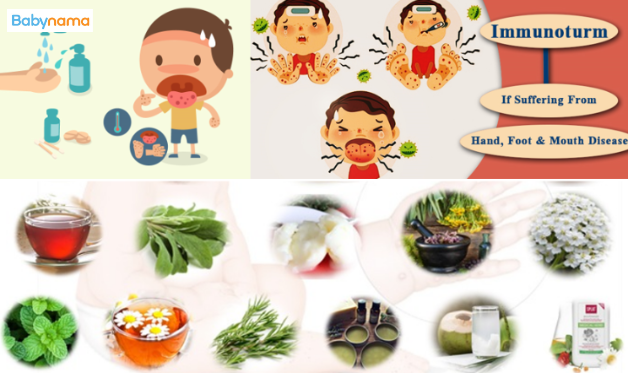
HFMD looks scary but usually settles on its own in about 7-10 days. Hand, Foot, and Mouth Disease is common in young children, especially during monsoon. There’s no cure, but supportive home care can help your child stay comfortable and well-hydrated while the virus runs its course. The most important thing is to keep your child drinking fluids and to watch for the red-flag signs below.
What Is HFMD? (Haath-Pair-Munh Ki Bimari Samjhein)
HFMD is a viral infection that causes:
- Fever (bukhar) - usually first symptom
- Painful mouth sores (munh mein chhale)
- Rash/blisters on hands, feet, and sometimes buttocks
Key facts:
- Caused by Coxsackie virus
- Common in young children
- Spreads through saliva, nasal secretions, stool
- Usually settles in about 7-10 days
- NO antibiotics needed (it’s viral)
When to Worry (Red Flags)
🚨 Call 112 (national emergency) or 108 (ambulance), or go to the nearest hospital right away, if:
- Difficulty breathing or rapid/laboured breathing
- Seizures (fits)
- Child is very drowsy, floppy, or hard to wake
- Stiff neck or severe headache
- No urine for 8+ hours, no tears, sunken eyes (signs of significant dehydration)
Any baby under 3 months of age with a fever of 100.4°F (38°C) or higher needs to be seen by a doctor the SAME DAY — do not just give medicine and wait at home.
See a doctor the same day if:
- High fever (above 102°F / 39°C) that does not come down with paracetamol
- Child refusing all fluids, or drinking very little for several hours
- Fever lasting more than 3 days
- Rash spreading rapidly, or blisters looking infected (pus, spreading redness)
- Any baby under 6 months with symptoms
Home Remedies for Comfort (Ghar Ke Nuskhe)
A note on age: For babies under 6 months, nothing should be given by mouth except breast milk or formula — no water, coconut water, ORS, honey, or home remedies — unless your pediatrician advises otherwise. Honey should never be given to a baby under 1 year (risk of infant botulism). The remedies below are for older children, and for skin rashes you can use the topical options at any age with care.
For Mouth Pain (Munh Ke Chhale)
1. Cold Foods and Drinks
- Cold milk, lassi, buttermilk, plain curd
- Chilled watermelon, muskmelon
- Kulfi or ice cream (for children over 1 year who are eating solids)
- Why it helps: Cold can soothe and numb sore spots, making it easier to drink.
2. Salt Water Rinse (Namak Paani)
- For older children who can spit reliably: mix 1/2 teaspoon salt in 1 cup warm water, rinse and spit, a few times a day
- Do NOT use for babies or young toddlers who cannot spit (risk of choking/aspiration)
3. Coconut Water (Nariyal Paani)
- Hydrating and gentle on sore mouths
- For children over 6 months; not a replacement for breast milk/formula in infants
4. Tulsi (Holy Basil)
- Tulsi is widely used in Indian homes, but there is no proven medical benefit for HFMD — discuss with your pediatrician before using
- Do NOT add honey for a child under 1 year
5. Coconut Oil
- A thin layer can be soothing on cracked lips
- Coconut oil is sometimes used for mouth sores, but there is no proven antiviral benefit — discuss with your pediatrician
For Skin Rash (Haath-Pair Ke Daane)
1. Coconut Oil
- Natural moisturizer for dry, irritated skin
- Apply a thin layer 2-3 times daily
2. Aloe Vera Gel
- Plain gel applied to the rash can feel cooling and soothing
- Do not give aloe juice by mouth to children
3. Neem (Indian Lilac)
- A neem-leaf bath or diluted neem is widely used in India, but there is no proven medical benefit for HFMD — discuss with your pediatrician
- Do a small patch test first; stop if skin becomes red or irritated
4. Calamine Lotion
- Available at any pharmacy
- Can help reduce itching; apply as needed
General Care
Hydration (Sabse Zaroori)
- WHO-ORS / Electral, water, coconut water (for children over 6 months)
- For babies under 6 months: continue breast milk or formula, more often than usual
- Cool drinks are often easier to swallow than warm ones
- Avoid citrus, spicy, and salty items (they sting the sores)
- Watch for dehydration: dry mouth, no tears, much less urine — see a doctor if these appear
Soft Foods (for children already on solids)
- Khichdi, dalia (suji/ragi porridge), curd rice, dal
- Mashed banana, papaya, mashed potato
- Lukewarm (not hot) milk
- Avoid hot and spicy food
Fever Management
- Paracetamol (e.g. Calpol/Crocin) is dosed by your child’s weight: about 15 mg/kg per dose, every 4-6 hours as needed, and no more than 60 mg/kg in 24 hours
- Check the strength on the bottle — common syrups are 120 mg/5 ml or 250 mg/5 ml, so the same mg dose is a different amount of syrup; measure with the dropper/cup provided
- Do NOT give paracetamol to a baby under 3 months without first speaking to a doctor
- Lukewarm sponging and light clothing can also help
- If you are unsure of the dose, ask your pediatrician
Rest and Sleep (Neend)
- Let your child rest as needed
- If your child wakes at night from discomfort, paracetamol at the correct weight-based dose before bed can help
- Sleep supports recovery
Traditional Remedies (Dadi-Nani Ke Nuskhe)
These are widely used in Indian homes but have no proven benefit for HFMD — discuss with your pediatrician before using, and never give honey to a child under 1 year.
| Remedy | How to Use | Note |
|---|---|---|
| Tulsi tea | Boil leaves (no honey under 1 year) | Widely used; no proven benefit |
| Neem bath | Add neem water to bath | Widely used; patch test first |
| Turmeric milk | Haldi doodh, lukewarm | Widely used; no proven benefit |
| Coconut water | For children over 6 months | Helps hydration |
| Dahi/Curd | Plain, cold | Can be soothing for older children |
Foods to Give and Avoid
| Give (Achha) | Avoid (Mat Do) |
|---|---|
| Cold milk, ice cream | Hot chai, soup |
| Khichdi, dalia | Spicy food |
| Curd, buttermilk | Citrus (orange, nimbu) |
| Coconut water | Chips, namkeen |
| Soft idli | Acidic foods |
| Mashed banana | Carbonated drinks |
Food suggestions are for children already on solids. Babies under 6 months should have only breast milk or formula.
Preventing Spread
HFMD is VERY contagious.
- Wash hands frequently (especially after diaper change)
- Don’t share utensils, towels, toys
- Keep sick child home from school (5-7 days minimum)
- Disinfect toys, surfaces
- Avoid kissing sick child
Timeline of Recovery
| Day | What to Expect |
|---|---|
| 1-2 | Fever, sore throat |
| 2-3 | Mouth sores appear, eating difficult |
| 3-5 | Rash on hands, feet |
| 5-7 | Fever goes, sores healing |
| 7-10 | Most symptoms resolved |
| 2-4 weeks later | Nails may peel or shed (common and usually resolves on its own; mention to your doctor if you are concerned) |
Frequently Asked Questions
Q: Bachcha kuch kha nahi raha. Kya karun?
A: This is the hardest part of HFMD - mouth sores are very painful. Focus on cool, soft, bland foods (for children already on solids) and, most importantly, FLUIDS. It’s okay if your child doesn’t eat much solid food for 2-3 days as long as they keep drinking. For babies under 6 months, keep offering breast milk or formula. Watch for signs of dehydration (dry mouth, no tears, less urine) and see a doctor the same day if these appear or your child won’t drink.
Q: Ye remedies kitne din mein kaam karenge?
A: Remedies don’t “cure” HFMD - the virus needs to run its course (7-10 days). But remedies help manage symptoms and keep child comfortable. You’ll see improvement gradually. Fever usually goes first (3-5 days), then rash starts fading, mouth sores last longest.
Q: Antibiotics deni chahiye?
A: NO! HFMD is caused by a VIRUS, and antibiotics only work on bacteria. Giving antibiotics won’t help and may cause side effects. Only give antibiotics if doctor prescribes for a secondary bacterial infection (rare).
Q: School kab bhej sakte hain?
A: Wait until: fever gone for 24 hours AND mouth sores healing AND blisters drying. Usually 5-7 days from symptom start. Inform school about diagnosis. Child remains contagious through stool for weeks, but most schools allow return once acute symptoms resolve.
Q: Doosre bachche ko bhi ho jayega kya?
A: Very likely! HFMD spreads easily among siblings. Incubation period is 3-6 days, so symptoms may appear soon. Practice good hygiene but prepare for other family members to get it too. Good news: usually mild in everyone. Adults can get it but typically have milder symptoms.
This article was reviewed by the Babynama Pediatricians team.
General information for Indian parents, not a substitute for your pediatrician. In an emergency, call 112 or 108.
Child has HFMD and you’re worried? Babynama’s pediatricians can confirm the diagnosis and guide you through home management. Chat with us on WhatsApp!
Need personalized guidance? Book a consultation with our pediatricians or explore our Care Plans for 24/7 expert support!