Quick Answer: What Temperature is Fever in Children?
Normal body temperature: 97°F to 99°F (36.1°C to 37.2°C)
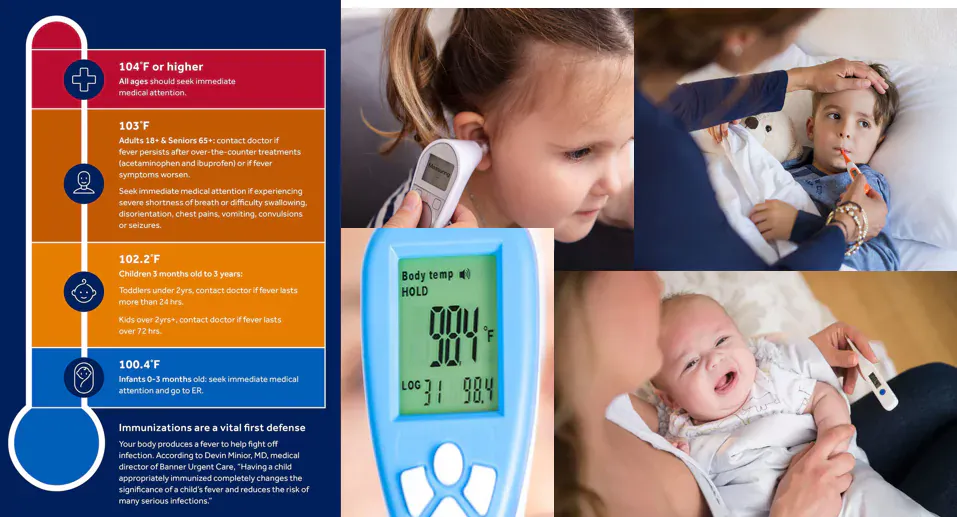
Fever (bukhar): 100.4°F (38°C) or higher
A fever is NOT a disease itself - it’s your child’s body fighting an infection. In most cases, fever in children is caused by mild viral illness and settles within 2-3 days. However, knowing when to worry and when to stay calm is crucial for every parent.
Reassurance: Most childhood fevers are caused by viral infections and improve on their own. Your child’s body is doing what it should - fighting off germs. That said, always watch for the warning signs listed below.
Temperature Guide by Age: When to Worry
Babies Under 3 Months
| Temperature | Action |
|---|---|
| 100.4°F (38°C) or higher | EMERGENCY - Rush to hospital immediately |
Even a low-grade fever in newborns needs immediate medical attention.
Babies 3-6 Months
| Temperature | Action |
|---|---|
| Below 100.4°F (38°C) | Monitor, no medication needed |
| 100.4-102°F (38-38.9°C) | Give Calpol, watch for other symptoms |
| Above 102°F (38.9°C) | Consult doctor same day |
Babies 6-24 Months
| Temperature | Action |
|---|---|
| 100.4-102°F (38-38.9°C) | Give Calpol, monitor for 24 hours |
| 102-104°F (38.9-40°C) | Give Calpol, consult doctor if no improvement in 24 hours |
| Above 104°F (40°C) | Rush to doctor immediately |
Children Above 2 Years
| Temperature | Action |
|---|---|
| 100.4-102°F (38-38.9°C) | Home care, fluids, rest |
| 102-104°F (38.9-40°C) | Give Calpol/Meftal-P, consult if lasts 72+ hours |
| Above 104°F (40°C) | Emergency - immediate medical care |
How to Measure Temperature Correctly
Best Thermometer Types for Each Age
| Age | Best Method | Thermometer Type |
|---|---|---|
| 0-3 months | Rectal (most accurate) | Digital thermometer |
| 3 months-3 years | Underarm or ear | Digital or infrared ear |
| 3+ years | Oral or forehead | Digital or infrared |
Indian brands: Dr. Morepen, Omron, Beurer, Rossmax
Tips for Accurate Reading
- Wait 15-30 minutes after eating/drinking before oral measurement
- Underarm readings are 0.5-1°F lower than actual - add 0.5°F
- Ear thermometers: Gently pull ear up and back for accurate reading
- Forehead thermometers: Hold 1-2 inches away, aim at center of forehead
What Causes Fever in Children?
Common causes (usually not serious):
-
Viral infections (cold, flu, viral bukhar)
-
Ear infections (kaan mein infection)
-
Throat infections (gale mein infection)
-
Stomach bugs (pet ki infection)
-
Teething (mild fever only, below 100.4°F)
-
Vaccination (normal reaction) Serious causes (need immediate attention):
-
Pneumonia
-
Urinary tract infection
-
Dengue or malaria (during monsoon)
-
Meningitis (brain infection)
-
Typhoid
Fever Symptoms to Watch For
Normal fever symptoms:
-
Body feels warm to touch
-
Flushed cheeks
-
Sweating or shivering (kanpkapi)
-
Mild irritability
-
Reduced appetite
-
Tiredness Warning signs (tez bukhar ke khatarnak lakshan):
-
Neck stiffness
-
Severe headache
-
Rash that doesn’t fade when pressed
-
Difficulty breathing
-
Continuous vomiting
-
Extreme drowsiness or confusion
-
Crying that cannot be consoled
-
Not passing urine for 6+ hours
Paracetamol/Calpol Dosage Chart by Weight
CRITICAL: Dose is calculated by WEIGHT, not age!
| Child’s Weight | Calpol Drops (100mg/ml) | Calpol Syrup (120mg/5ml) | Calpol Syrup (250mg/5ml) |
|---|---|---|---|
| 3-4 kg | 0.3-0.4 ml | - | - |
| 4-5 kg | 0.4-0.5 ml | - | - |
| 5-6 kg | 0.5-0.6 ml | 2.5 ml | - |
| 6-8 kg | 0.6-0.8 ml | 3-4 ml | - |
| 8-10 kg | 0.8-1 ml | 4-5 ml | 2 ml |
| 10-12 kg | - | 5-6 ml | 2.5 ml |
| 12-15 kg | - | 6-7.5 ml | 3 ml |
| 15-20 kg | - | - | 4 ml |
| 20-25 kg | - | - | 5 ml |
Dose: Paracetamol is 15 mg/kg per dose. Dosing frequency: Every 4-6 hours as needed, maximum 4 doses in 24 hours. Do not exceed 60 mg/kg in a day. Do not give paracetamol to a baby under 3 months without a doctor’s advice.
Available brands: Calpol, Crocin, Dolo, Pyrigesic, Pacimol
Home Care for Fever (Bukhar Ka Gharelu Ilaaj)
1. Keep Child Hydrated
- Breast milk (for babies under 6 months)
- ORS solution
- Dal ka paani
- Coconut water (nariyal paani)
- Buttermilk (chaas)
- Clear soups
2. Light Clothing
- Dress in single layer of light cotton clothes
- Don’t bundle up - let body release heat
- Remove extra blankets
3. Tepid Sponging (for fever above 103°F)
- Use lukewarm water (NOT cold)
- Sponge forehead, armpits, and groin area
- Stop if child shivers
- Do this 20-30 minutes after giving medicine
4. Room Temperature
- Keep room comfortable (not too cold)
- Use fan on low, avoid direct AC blast
- Good ventilation is important
5. Rest
- Let child sleep as much as they want
- Avoid strenuous activity
- Screen time is okay if it keeps them calm
When to Rush to Doctor (Emergency Signs)
Go to hospital IMMEDIATELY if:
-
Baby under 3 months has ANY fever (100.4°F+)
-
Fever above 104°F (40°C) at any age
-
Child has febrile seizure (body shaking, eyes rolling)
-
Stiff neck or severe headache
-
Purple/red rash that doesn’t fade when pressed
-
Difficulty breathing or chest indrawing
-
Extreme lethargy (cannot be woken up)
-
Signs of dehydration (sunken eyes, no tears, dry mouth)
-
Fever returning after being normal for 24 hours Consult doctor same day if:
-
Fever lasting more than 3 days in children over 2 years
-
Fever lasting more than 24 hours in babies under 2 years
-
Fever with ear pain or sore throat
-
Fever with burning urination
-
Fever with rash
-
Child looks very sick despite normal temperature
Vaccine Fever: What’s Normal?
Post-vaccination fever is NORMAL and expected. Here’s what to know:
| Vaccine | Expected Fever | Duration |
|---|---|---|
| DPT/6-in-1 | 100-102°F | 1-2 days |
| MMR | 100-103°F | 5-12 days after |
| Typhoid | 99-101°F | 1-2 days |
| Flu vaccine | 99-100°F | 1 day |
Management: Give Calpol as per weight if baby is uncomfortable. No need for preventive paracetamol before vaccination.
Expert Insight: Our Babynama pediatricians remind parents that fever itself is the body’s response to infection, not the illness. The key is to watch your child’s overall behaviour and the warning signs - not just the number on the thermometer.
FAQs
Q: Baby has 102°F fever - when should I give Calpol?
A: You can give Calpol now. For fever above 100.4°F with discomfort, paracetamol helps. Calculate dose by baby’s weight (15 mg/kg per dose, every 4-6 hours, maximum 4 doses a day). If fever doesn’t reduce within 1-2 hours or returns quickly, consult a pediatrician.
Q: How much Calpol for my 5-month-old baby?
A: A typical 5-month-old weighs 6-7 kg. Give Calpol Drops 0.6 ml or Calpol Syrup (120mg/5ml) 2.5-3 ml. Can repeat every 4-6 hours, maximum 4 times in 24 hours.
Q: Baby has fever after vaccination - is it normal?
A: YES, this is a common and expected reaction. Vaccine fever usually appears within 24-48 hours and lasts 1-2 days. Give Calpol if baby seems uncomfortable. Consult your pediatrician if fever exceeds 104°F, lasts beyond 3 days, or your baby is under 3 months and develops any fever (100.4°F/38°C or higher) - that always needs same-day medical review.
Q: Fever 102°F - what to do at home?
A: Give Calpol (dose by weight), light clothing, plenty of fluids, and rest. Do tepid sponging 30 minutes after medicine if fever is high. Most 102°F fevers respond well to home care. Consult doctor if fever persists beyond 48-72 hours.
Q: Should I use cold water for sponging?
A: NO! Never use cold water or ice. Use lukewarm/tepid water only. Cold water causes shivering, which actually INCREASES body temperature. Stop sponging if child shivers.
Q: Can I give Calpol and Meftal-P together?
A: You can alternate them (not together) for persistent high fever, but only under doctor’s guidance. Typical pattern: Calpol, then Meftal-P after 3-4 hours if fever returns. Always consult your pediatrician first.
This article was reviewed by a pediatrician. Last updated: January 2025
Need personalized guidance? Book a consultation with our pediatricians or explore our Care Plans for 24/7 expert support!
Related Tools
Disclaimer: This article is for general awareness for parents in India and does not replace a consultation with your pediatrician. Medicine doses, vaccine schedules, and fever advice should be confirmed with your child’s doctor and follow IAP (Indian Academy of Pediatrics) guidance. In an emergency, call 112 (national emergency) or 108 (ambulance), or go to your nearest hospital.