Last updated: January 2026
Quick Answer
Is my child malnourished? If your child is not gaining weight, looks thin, is always tired, or is falling behind on growth milestones, it’s important to get evaluated - but don’t panic, as most cases are preventable and treatable.
Malnutrition doesn’t always mean a child is starving. It means the body isn’t getting the right balance of nutrients. In India, this is unfortunately common - but the good news is that with proper nutrition and care, most children can recover well. Early recognition and intervention are key.
What is Malnutrition?
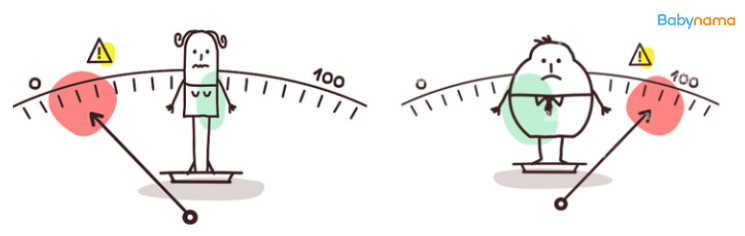
Malnutrition means poor nutrition - which can be:
Undernutrition (Most Common):
- Not getting enough calories, protein, vitamins, or minerals
- Leads to being underweight, stunted growth
- Very common in India
Overnutrition (Increasing):
- Getting too many calories, especially from junk food
- Leads to obesity
- Can still lack essential nutrients
Signs of Malnutrition by Age
Infants (0-12 months):
- Poor weight gain
- Not meeting milestones
- Frequent infections
- Weak cry
- Skin problems
- Thin hair
Toddlers (1-3 years):
- Thin arms and legs
- Pot belly
- Pale skin
- Slow growth in height
- Fatigue, weakness
- Frequent illness
- Delayed speech/walking
Older Children:
- Underweight for height
- Short for age (stunting)
- Poor concentration
- Frequent illness
- Delayed puberty
- Dental problems
What Causes Malnutrition?
Dietary Causes:
- Inadequate breastfeeding
- Late/inappropriate weaning
- Too much milk, not enough solids
- Picky eating
- Junk food replacing nutritious food
- Lack of protein/iron/vitamins
Health Causes:
- Recurrent infections (loose motion, respiratory)
- Intestinal worms
- Chronic diseases
- Malabsorption (Celiac, etc.)
- Kabz (constipation) affecting appetite
Social Causes:
- Poverty
- Lack of awareness
- Food insecurity
- Poor sanitation
Warning Signs to Watch For
Red Flags (Need Immediate Attention):
- Weight loss or failure to gain weight for 3+ months
- Visible ribs and bones
- Severe weakness
- Swelling (edema) of feet/face
- Very pale skin
- Hair falling out or discolored
- Not meeting developmental milestones
Home Nutrition Tips
For Increasing Calories and Protein:
| Food | How to Give |
|---|---|
| Ghee | Add to dal, rice, roti |
| Groundnuts | Roasted, in chutney |
| Jaggery | With roti, in drinks |
| Eggs | Daily if non-veg |
| Dal | Every meal |
| Milk + banana | As snack |
High-Nutrition Indian Foods:
- Sattu - Protein-rich, energy-dense
- Khichdi with ghee - Complete meal
- Ragi porridge - Iron and calcium
- Egg bhurji - Protein boost
- Peanut chikki - Energy snack
- Banana shake - Weight gain
Traditional Foods (energy-dense add-ons):
- Badam (almond) milk
- Dry fruit ladoo
- Dates (khajoor) daily
Chyawanprash is widely used but has no proven benefit for treating malnutrition; discuss with your pediatrician before relying on it. These items add calories but are not a substitute for a balanced diet or medical evaluation.
When to See a Doctor
Seek immediate care if:
-
Child is severely underweight
-
Swelling of feet or face
-
Very lethargic and weak
-
Not interested in eating at all
-
Signs of dehydration
-
Frequent severe infections Schedule appointment if:
-
Weight not increasing for 2-3 months
-
Child significantly shorter than peers
-
Constant fatigue
-
Frequent infections
-
Developmental delays
Treatment Options
What doctors may recommend:
- Nutritional assessment
- Blood tests (hemoglobin, vitamin levels)
- Treating underlying causes (worms, infections)
- Therapeutic foods (Ready-to-Use Therapeutic Food)
- Multivitamin supplements
- Iron/folic acid supplements
- Referral to nutritionist
Prevention
- Exclusive breastfeeding for 6 months
- Timely weaning with nutritious foods at 6 months
- Variety in diet - Include all food groups
- Regular health checkups - Track growth
- Complete vaccination - Prevents infections
- Clean water and sanitation - Prevents diarrhea
- Deworming every 6 months (after 1 year)
- Limit junk food - Focus on nutritious foods
FAQs
Q: My child eats well but is still thin - why?
A: Some children are naturally thin if they’re active and meeting milestones. However, if child is below growth curve despite eating, check for worms, malabsorption, or increased calorie needs. Consult your pediatrician.
Q: Can a child be malnourished if they look chubby?
A: Yes! A child eating lots of maida, sugar, and junk food may look plump but lack essential vitamins, minerals, and protein. This is “hidden hunger.”
Q: How do I know if my child’s weight is normal?
A: Your pediatrician plots weight and height on growth charts. Children should follow their growth curve. Falling off the curve is concerning.
Q: Will my malnourished child catch up in growth?
A: With proper nutrition and treatment, most children show catch-up growth. The earlier intervention starts, the better. First 2 years are critical for brain development.
Q: Are health drinks like Horlicks helpful for malnourished children?
A: Real food is always better than health drinks. If used, choose ones without excess sugar. They should supplement, not replace, nutritious meals.
This article was reviewed by a pediatrician and reflects Indian guidance (IAP/ICMR). It is for general education only and is not a substitute for an in-person evaluation. Growth assessment, lab tests, and treatment of malnutrition must be guided by your child’s doctor. In an emergency, call 112 (national emergency) or 108 (ambulance), or go to your nearest hospital. For personalized advice about your child’s nutrition, consult with Babynama’s pediatric experts on WhatsApp.
Need personalized guidance? Book a consultation with our pediatricians or explore our Care Plans for 24/7 expert support!
Related Tools