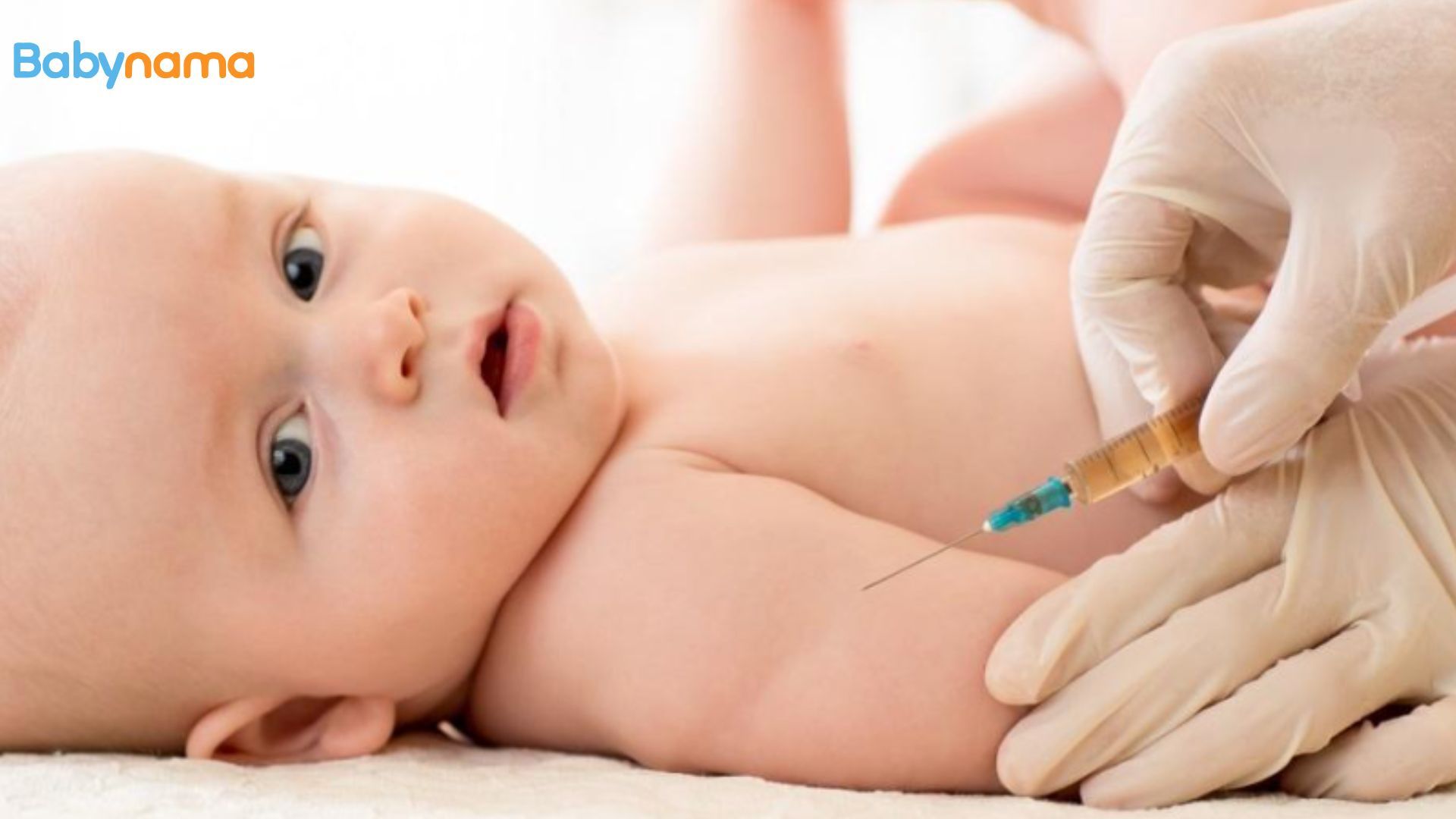
Quick Answer: The 6-in-1 vaccine (hexavalent vaccine) protects your baby against 6 serious diseases in ONE shot: Diphtheria, Tetanus, Pertussis (whooping cough), Hepatitis B, Polio, and Hib meningitis. Given at 6, 10, and 14 weeks of age, it is usually very safe and effective, and reduces the number of injections your baby needs (serious reactions are rare, but watch for the danger signs below). Both “painful” (DTwP) and “painless” (DTaP) versions are available - both work well!
What is the 6-in-1 Vaccine?
The 6-in-1 vaccine (also called hexavalent vaccine) combines protection against six dangerous childhood diseases into a single injection. Instead of giving your baby six separate shots, this combination vaccine provides comprehensive protection with fewer needle pricks.
Official name: DTwP/DTaP-IPV-Hib-HepB vaccine (the pertussis part can be whole-cell or acellular). In India, most hexavalent products are whole-cell (DTwP-based).
Parent Relief: Fewer shots mean less stress for your baby AND you. The 6-in-1 vaccine is one of the most important advances in childhood immunization.
Which 6 Diseases Does It Protect Against?
| Disease | What It Is | Why Vaccination Matters |
|---|---|---|
| Diphtheria (D) | Bacterial infection affecting throat and airways | Can cause breathing problems, heart failure |
| Tetanus (T) | Nerve disease from bacteria entering wounds (“lockjaw”) | Can be fatal, no cure once symptoms start |
| Pertussis (aP) | Whooping cough - highly contagious respiratory infection | Very dangerous for infants under 6 months |
| Hepatitis B (HepB) | Viral liver infection | Can cause chronic liver disease and cancer |
| Polio (IPV) | Viral disease causing paralysis | India is polio-free thanks to vaccination |
| Hib (Haemophilus influenzae type b) | Bacteria causing meningitis and pneumonia | Leading cause of bacterial meningitis in children |
Vaccination Schedule in India
Primary Series (3 doses)
| Dose | Age | Notes |
|---|---|---|
| 1st Dose | 6 weeks (1.5 months) | Can be given at 6-8 weeks |
| 2nd Dose | 10 weeks (2.5 months) | Can be given at 10-12 weeks |
| 3rd Dose | 14 weeks (3.5 months) | Can be given at 14-16 weeks |
Booster Doses
| Booster | Age | Vaccine |
|---|---|---|
| 1st Booster | 15-18 months | DTPa/DTwP + Hib |
| 2nd Booster | 4-6 years | DTPa/DTwP |
Note: The 6-in-1 vaccine is used only for the 3 primary doses. Boosters use DTwP/DTaP (with Hib at 15-18 months); they are not the full hexavalent shot.
Important: Complete all doses on schedule for maximum protection. Babynama’s vaccination tracker can send you reminders!
Painless vs Painful Vaccine: Which Should You Choose?
This is one of the most common questions Indian parents ask!
| Feature | Painful (DTwP) | Painless (DTaP) |
|---|---|---|
| What it contains | Whole pertussis bacteria cells | Purified pertussis components only |
| Effectiveness | Excellent | Excellent |
| Side effects | Higher chance of fever, swelling | Fewer side effects |
| Cost | Lower (Rs 500-800) | Higher (Rs 1500-2500) |
| Pain at injection | Same needle prick | Same needle prick |
| Recommended by IAP | Yes | Yes |
Which One Should You Pick?
Both protect well in the short term, but IAP notes whole-cell (DTwP) gives longer-lasting protection and is the default in the primary series. Painless (DTaP) is usually chosen for babies who had a strong reaction to a previous dose or have a neurological condition. Discuss the choice with your pediatrician rather than deciding on cost alone.
- Painful (DTwP) is the IAP default for the primary series — longer-lasting protection, more likely to cause mild fever or swelling.
- Painless (DTaP) is usually reserved for babies who had a strong reaction to a previous dose or have a neurological condition, or where your pediatrician advises it.
Doctor’s Note: “Painful” doesn’t mean the injection hurts more - it refers to the side effects afterward. The needle prick feels the same!
Common Side Effects and How to Manage Them
Normal Side Effects (Don’t Worry)
| Side Effect | Duration | What to Do |
|---|---|---|
| Mild fever (up to 101°F) — see age caveat below | 1-2 days | Give paracetamol if uncomfortable (dose below) |
| Injection site redness/swelling | 2-3 days | Cold compress, don’t massage |
| Fussiness/crying | 24-48 hours | Extra cuddles, frequent feeding |
| Decreased appetite | 1-2 days | Offer breast milk/formula more often |
| Mild drowsiness | 1 day | Let baby rest |
⚠️ In a baby under 3 months, ANY fever of 100.4°F (38°C) or higher is a medical emergency — see a doctor the same day, even at night. Do not give paracetamol and wait. This applies even after a vaccine. The first two doses (6 weeks and 10 weeks) are given when your baby is under 3 months old, so post-vaccine fever at those ages still needs to be checked by a doctor — it can be hard to tell apart from a serious infection.
Paracetamol dose (only if your pediatrician says to give it): Paracetamol is dosed by your baby’s weight, not age: 15 mg/kg per dose, no more often than every 4–6 hours, maximum 4 doses (60 mg/kg) in 24 hours. Syrup strengths differ — Calpol/Crocin come as 120 mg/5 ml and 250 mg/5 ml, so always check the bottle. Do not give to a baby under 3 months without a doctor seeing them first. Confirm the exact mL with your pediatrician.
When to Get Help
🚨 Call 112 (national emergency) or 108 (ambulance), or go straight to the nearest hospital, if you see: difficulty or noisy breathing; swelling of the face, lips or tongue; widespread hives with vomiting; pale, grey or blue skin; floppiness or unresponsiveness; or a seizure. These can be a severe allergic reaction (anaphylaxis). If an adrenaline auto-injector has been prescribed, use it first, then go. Do not wait for a clinic appointment.
After DTwP, a baby can occasionally go suddenly floppy, pale and unresponsive (a hypotonic-hyporesponsive episode). This is frightening — treat it as an emergency and get medical help straight away using the numbers above.
If your baby is under 3 months old (which applies to the 6-week and 10-week doses), ANY fever of 100.4°F (38°C) or higher needs to be seen by a doctor the SAME DAY — do not just give paracetamol at home.
Contact your pediatrician the same day if:
- Fever above 104°F (40°C)
- Seizures or convulsions
- Non-stop crying for more than 3 hours
- Severe swelling of entire limb
- Difficulty breathing
- Unusual drowsiness or unresponsiveness
Before and After Vaccination Tips
Before the Vaccine
- Baby should be healthy (no fever or active infection)
- Inform doctor about any previous reactions
- Bring vaccination card
- Feed baby before the appointment (not immediately before)
After the Vaccine
- Stay at clinic for 15-30 minutes to watch for reactions
- Give paracetamol ONLY if fever occurs (not preventively)
- Apply cold compress to injection site if swollen
- Ensure baby stays hydrated
- Don’t massage the injection site
- Don’t apply ice directly to skin
Cost of 6-in-1 Vaccine in India
| Type | Approximate Cost per Dose |
|---|---|
| Government hospitals | Free |
| Painful (DTwP-based) at private clinic | Rs 500-1000 |
| Painless (DTaP-based) at private clinic | Rs 1500-2500 |
Total for 3 doses: Rs 1500-3000 (painful) or Rs 4500-7500 (painless)
Money-Saving Tip: Government hospitals provide quality vaccines for free under the Universal Immunization Programme. Don’t skip vaccination due to cost concerns!
Frequently Asked Questions
Q: Can I mix painful and painless vaccines for different doses?
A: Yes, you can switch between them. If your baby had strong reactions to the painful vaccine, you can switch to painless for subsequent doses — ideally decide this with your pediatrician, since it also affects long-term whooping-cough protection.
Q: My baby has a mild cold. Should I postpone vaccination?
A: Minor illnesses like mild cold without fever are NOT a reason to delay vaccination. Consult your pediatrician - they’ll usually recommend proceeding.
Q: What if we missed a dose?
A: Don’t restart the series! Continue from where you left off. Contact your pediatrician to adjust the schedule.
Q: Is the 6-in-1 vaccine safe?
A: It is usually very safe — it has been used in millions of children worldwide, and combination vaccines undergo rigorous testing and continuous monitoring. Serious reactions are rare, but watch for the danger signs above in most babies.
Q: Why is it called “painless” when the needle still hurts?
A: “Painless” refers to fewer side effects AFTER the vaccine, not the injection itself. The needle prick feels the same for both types.
Q: Can my baby get all 6 diseases from the vaccine?
A: No. The vaccine contains inactivated (killed) or weakened components that cannot cause the disease. It teaches the immune system to fight without causing infection.
Key Takeaways
- 6-in-1 vaccine protects against 6 serious diseases in one shot
- Schedule: 6, 10, and 14 weeks - don’t delay!
- Both painful and painless are effective - choose based on your baby’s reactions and budget
- Mild fever and fussiness are normal - serious reactions are rare
- Don’t skip vaccines due to cost - government hospitals provide free vaccination
- Complete the full course for maximum protection
This article was reviewed by pediatricians at Babynama. Last updated: January 2026
This article is general information for Indian parents, not a substitute for examination by your pediatrician. In an emergency, call 112 or 108.
Need personalized guidance? Book a consultation with our pediatricians or explore our Care Plans for 24/7 expert support!
Related Tools