Quick Answer
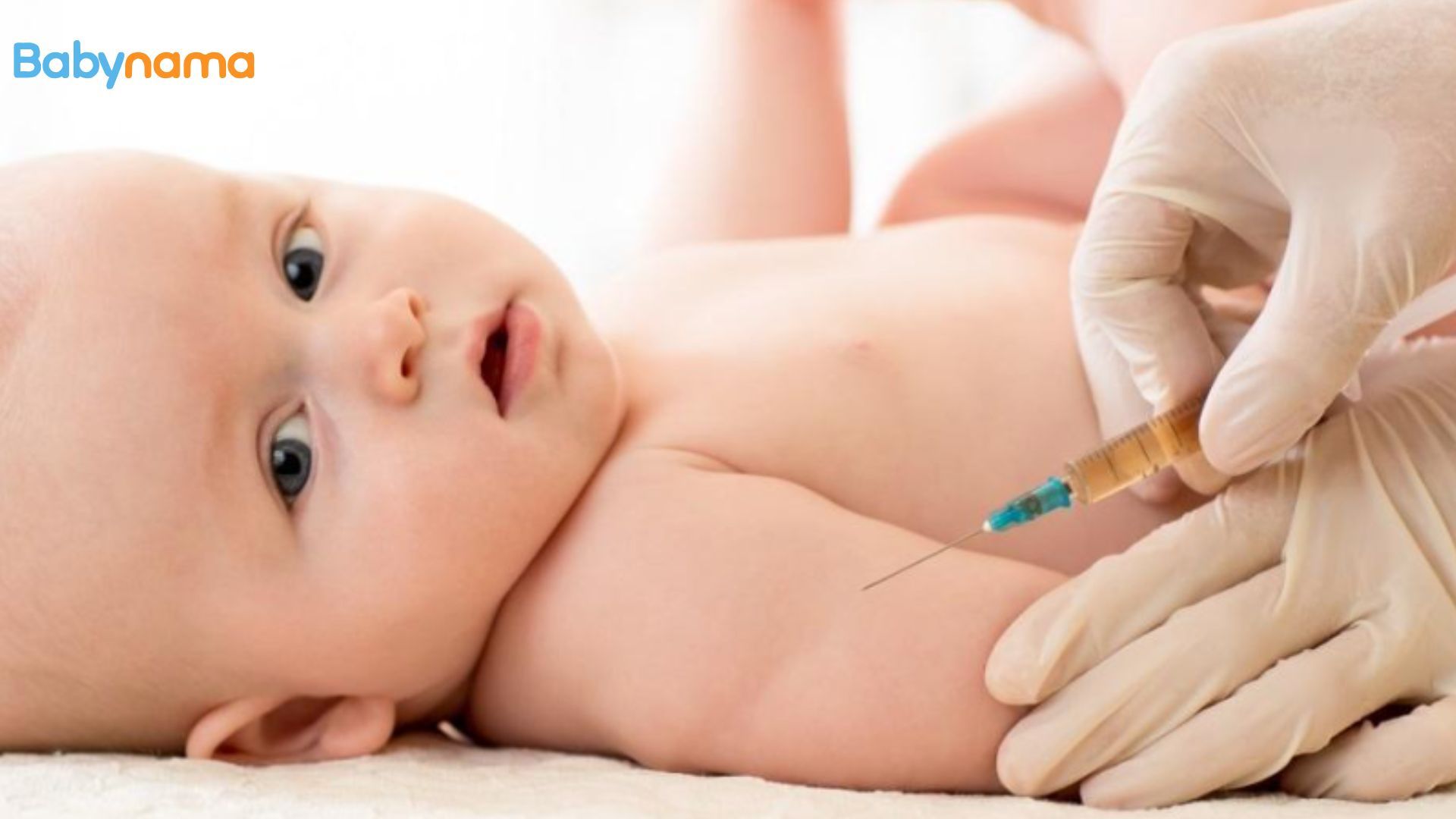
The 6-in-1 vaccine is very safe and is recommended by the IAP and WHO. This combination vaccine protects against 6 serious diseases with just one injection — meaning fewer needle pricks, less pain, and the same excellent protection. Most side effects are mild and short-lived, and serious reactions are very rare. This guide covers everything Indian parents need to know about the hexavalent vaccine.
What Is the 6-in-1 Vaccine?
Understanding Combination Vaccines
The 6-in-1 vaccine protects against:
| Disease | What It Is | Why It’s Dangerous |
|---|---|---|
| Diphtheria | Bacterial throat infection | Can cause breathing problems, heart failure |
| Tetanus | ”Lockjaw” from bacteria | Severe muscle spasms, can be fatal |
| Pertussis (Whooping Cough) | Bacterial respiratory infection | Dangerous coughing fits, fatal in babies |
| Polio | Viral paralysis disease | Permanent paralysis, respiratory failure |
| Haemophilus influenzae type b (Hib) | Bacterial meningitis, pneumonia | Brain damage, death |
| Hepatitis B | Viral liver infection | Chronic liver disease, cancer |
6 diseases, 1 injection = Fewer tears!
Vaccine Names in India
Common brands:
- Infanrix Hexa (GSK)
- Hexaxim (Sanofi)
- Easysix (Panacea) Also known as: Hexavalent vaccine, DTaP-IPV-HepB-Hib
Why Choose 6-in-1?
Benefits for Baby
| Benefit | Explanation |
|---|---|
| Fewer injections | 1 shot instead of multiple |
| Less pain | Fewer needle pricks |
| Same protection | Full immunity to 6 diseases |
| Fewer appointments | Less time at clinic |
| Complete protection | All essential vaccines covered |
Benefits for Parents
- Fewer clinic visits
- Less time off work
- Easier to remember schedule
- Baby less distressed
- More convenient
Is Protection the Same?
YES! Research confirms combination vaccines provide equal protection to separate vaccines. Your baby is fully protected against all 6 diseases.
When Is It Given?
Vaccination Schedule
| Dose | Age | Notes |
|---|---|---|
| 1st dose | 6 weeks (1.5 months) | First infant vaccine |
| 2nd dose | 10 weeks (2.5 months) | 4 weeks after 1st |
| 3rd dose | 14 weeks (3.5 months) | 4 weeks after 2nd |
| Booster | 16-18 months | Important for lasting immunity |
All 4 doses needed for full protection!
Where to Get It
- Private pediatric clinics
- Private hospitals
- Some government hospitals may have
- Vaccination drives Note: Cost is higher than individual vaccines but offers convenience
Safety
Is It Safe?
YES! Key safety facts:
- Extensively tested before approval
- Used worldwide for decades
- Inactivated vaccine (no live organisms)
- Cannot cause the diseases it prevents
- Monitored for safety continuously
- Recommended by the IAP and WHO; serious reactions are rare
Side Effects
Common (normal) side effects:
| Side Effect | What to Expect | Duration |
|---|---|---|
| Pain at injection site | Redness, swelling, tenderness | 1-3 days |
| Fever | Low-grade, usually mild | 1-2 days |
| Fussiness | Crying, irritability | 1-2 days |
| Sleepiness | May sleep more | 1-2 days |
| Decreased appetite | Temporary | 1-2 days |
These mild reactions are common and expected. Many babies have no reaction at all — that does not mean the vaccine did not work; protection still develops.
⚠️ In a baby under 3 months, ANY fever of 100.4°F (38°C) or higher is a medical emergency — see a doctor the same day, even at night. Do not give paracetamol and wait. This applies even after a vaccine. (One exception: a mild fever in the first 48 hours after this vaccine, if the baby is otherwise feeding and behaving normally, can be managed at home — but if you are unsure, get the baby seen.)
Managing Side Effects
For fever:
-
Paracetamol is dosed by your baby’s weight, not age: 15 mg/kg per dose, no more often than every 4–6 hours, maximum 4 doses (60 mg/kg) in 24 hours. Syrup strengths differ — Calpol/Crocin come as 120 mg/5 ml and 250 mg/5 ml, so always check the bottle. Do not give to a baby under 3 months without a doctor seeing them first. Confirm the exact mL with your pediatrician.
-
Do not give paracetamol routinely before the vaccine; give it only if fever or significant discomfort develops afterwards.
-
Light clothing
-
Extra fluids
-
Comfort and cuddles For injection site:
-
Cool compress (not ice directly)
-
Gentle movement of leg
-
Don’t massage vigorously
-
Will resolve in 1-3 days For fussiness:
-
Extra comfort and holding
-
Feeding on demand
-
Quiet environment
-
This too shall pass!
When to Worry (Red Flags)
⚠️ Fever rule by age: In a baby under 3 months, ANY fever of 100.4°F (38°C) or higher needs same-day medical review (the only exception is a mild fever in the first 48 hours after this vaccine, if the baby is otherwise feeding and behaving normally). For older babies, seek urgent care for a fever above 102°F that does not settle with paracetamol, or any fever with the danger signs below.
🚨 Call 112 (national emergency) or 108 (ambulance), or go straight to the nearest hospital, if you see: difficulty or noisy breathing; swelling of the face, lips or tongue; widespread hives with vomiting; pale, grey or blue skin; floppiness or unresponsiveness; or a seizure. These can be a severe allergic reaction (anaphylaxis). If an adrenaline auto-injector has been prescribed, use it first, then go. Do not wait for a clinic appointment. Serious allergic reactions usually happen within minutes to a few hours — this is why your baby is watched at the clinic for about 15–20 minutes after the shot.
Seek IMMEDIATE Medical Care If:
- Non-stop crying for 3+ hours
- Unusual high-pitched screaming
- Seizure or convulsions
- Extreme drowsiness (can’t wake for feeds)
- Swelling of entire leg
- Rash all over body
- Difficulty breathing
- Baby appears very sick These are rare but need immediate attention.
Call Doctor If:
- Fever lasting more than 3 days
- Injection site redness spreading or worsening
- Baby refusing to feed
- Unusual behavior
- Any concerns
Who Should NOT Get This Vaccine?
Temporary Delays
Wait if baby has:
- High fever (wait until recovered)
- Moderate to severe illness
- Recently given immunoglobulin (discuss with doctor)
Precautions
Discuss with doctor if baby has:
- Previous severe reaction to any vaccine
- History of seizures
- Known allergy to vaccine components
- Immune system problems
Safe to Vaccinate If:
- Minor cold without fever
- Mild illness
- Receiving antibiotics
- Premature birth (unless doctor advises otherwise)
- Family history of allergies
Comparison: Individual vs Combination
6-in-1 vs Separate Vaccines
| Factor | 6-in-1 | Separate Vaccines |
|---|---|---|
| Injections | 1 per visit | 3-4 per visit |
| Pain for baby | Less | More |
| Appointments | Fewer | More |
| Cost | Higher per injection | Lower per injection |
| Total protection | Same | Same |
| Side effects | Similar | Similar (per vaccine) |
Both options provide excellent protection!
6-in-1 vs 5-in-1
What’s the Difference?
| Vaccine | Diseases Covered | Hepatitis B |
|---|---|---|
| 6-in-1 | Diphtheria, Tetanus, Pertussis, Polio, Hib, Hepatitis B | Included |
| 5-in-1 | Diphtheria, Tetanus, Pertussis, Polio, Hib | NOT included |
If using 5-in-1: Hepatitis B must be given separately
After Vaccination Care
What to Expect
First 24-48 hours:
- Some fussiness normal
- May sleep more (neend zyada)
- Low-grade fever possible
- Injection site tenderness
How to Help Baby
- Breastfeed/formula feed as usual
- Extra comfort
- Light clothing if fever
- Paracetamol if uncomfortable (doctor’s advice)
- Watch for any concerning signs
Sleep After Vaccination
Normal to see:
- More sleepiness (zyada sona)
- Or more wakeful (raat ko jagta hai)
- Temporary for 1-2 days
- Return to normal soon
Cost Considerations
In India
- 6-in-1: roughly Rs 3,000–4,000 per dose (as of 2026; varies by brand and clinic)
- Booster also required
- Private clinic charges additional
Alternatives
- Individual vaccines (less convenient, more injections)
- 5-in-1 + separate Hepatitis B
- Government immunization (DPT, OPV, Hib may be available) Discuss options with your pediatrician based on your needs and budget
Frequently Asked Questions
Q: 6-in-1 vaccine safe hai? Bahut saari cheezein ek saath dene se problem nahi hogi?
A: It is very safe, and serious reactions are rare. Baby’s immune system handles thousands of antigens (germs) every day, so 6 vaccines together is a tiny fraction of what the immune system processes. Research confirms the same safety and effectiveness as separate vaccines, and combination vaccines have been used worldwide for decades. All vaccines in 6-in-1 are inactivated — they cannot cause the diseases.
Q: Vaccine ke baad bachcha bahut roya aur bukhar bhi aaya. Normal hai?
A: Yes, this is common and expected. Fever, fussiness, and injection-site pain are common after the shot; many babies have no reaction at all, and that does not mean it did not work. For fever, paracetamol is dosed by weight: 15 mg/kg per dose, every 4–6 hours, maximum 60 mg/kg in 24 hours — check the bottle strength (120 mg/5 ml vs 250 mg/5 ml) and confirm the exact mL with your pediatrician. Give extra comfort and feed on demand. Usually settles in 1–2 days. In a baby under 3 months, any fever of 100.4°F (38°C) or higher needs same-day medical review (except a mild fever in the first 48 hours after this vaccine in an otherwise-well baby). Also seek urgent care for: non-stop crying 3+ hours, seizure, difficulty breathing, baby looks very sick, or symptoms lasting more than 3 days.
Q: Vaccination ke baad baby ki neend kharab ho gayi. Normal hai?
A: Yes, temporary sleep changes are normal! Some babies sleep more (body is working on immunity), some are more restless (discomfort, mild fever). Usually returns to normal within 2-3 days. Help by: keeping baby comfortable, pain medication if needed, extra comfort. If severe sleep disturbance lasting more than a week, consult pediatrician.
Q: Government hospital mein 6-in-1 milega?
A: Usually not. Government immunization program provides individual vaccines (DPT, OPV, Hepatitis B, Hib separately). 6-in-1 is typically available at private clinics. Both options provide good protection. 6-in-1 advantage is convenience (fewer injections). If cost is concern, government vaccines are excellent and free.
Q: Appointment miss ho gayi. Kya karun?
A: Schedule as soon as possible! It’s never too late to continue vaccination. Don’t restart series - just continue from where you stopped. Speak to your pediatrician for updated schedule. Protection is better late than never. Important to complete all doses including booster at 16-18 months for full immunity.
This article was reviewed by Babynama’s pediatricians. Last updated: February 2026.
This article is general information for Indian parents, not a substitute for examination by your pediatrician. In an emergency, call 112 or 108.
Questions about your baby’s vaccination? Babynama’s pediatricians can help you understand options and manage post-vaccine symptoms. Chat with us on WhatsApp!
Book vaccinations through Babynama for convenient scheduling and complete tracking!
Need personalized guidance? Book a consultation with our pediatricians or explore our Care Plans for 24/7 expert support!
Related Tools