
Last updated: January 2026
Quick Answer
My child has blisters on hands, feet, and mouth - is it HFMD? Often YES, these are classic symptoms of Hand, Foot, and Mouth Disease (HFMD), a common viral infection in children that usually resolves on its own in 7-10 days. Your pediatrician can confirm the diagnosis.
Try not to panic if your child is diagnosed with HFMD! While it looks scary with painful blisters and sores, it’s usually a mild illness. Most children recover within a week without any specific treatment. It’s extremely common in India, especially during monsoon and post-monsoon seasons, and spreads quickly in schools and daycares. The key is managing symptoms and preventing spread to other family members.
What is Hand, Foot, and Mouth Disease?
HFMD is a viral infection that causes:
- Painful sores in the mouth (mooh mein chhale)
- Blisters on hands and feet
- Sometimes rash on buttocks and legs
- Fever
Who Gets HFMD?
- Most common in children under 5 years
- Can affect older children and adults
- Spreads easily in schools, daycares, playgrounds
- More common during monsoon and post-monsoon
Causes:
- Coxsackievirus (most common)
- Enterovirus 71 (can be more severe)
- Spreads through:
- Saliva (talking, coughing)
- Blister fluid
- Stool (potty)
- Contaminated surfaces
Symptoms to Watch For
Initial Symptoms (Day 1-2):
- Fever (usually 38-39°C / 100-102°F)
- Sore throat (gala dard)
- Poor appetite (refuses to eat)
- General unwell feeling
- Irritability
Mouth Sores (Day 1-2):
- Red spots that become painful ulcers
- Usually on tongue, gums, inside cheeks
- Very painful - child refuses to eat/drink
- Drooling in younger children
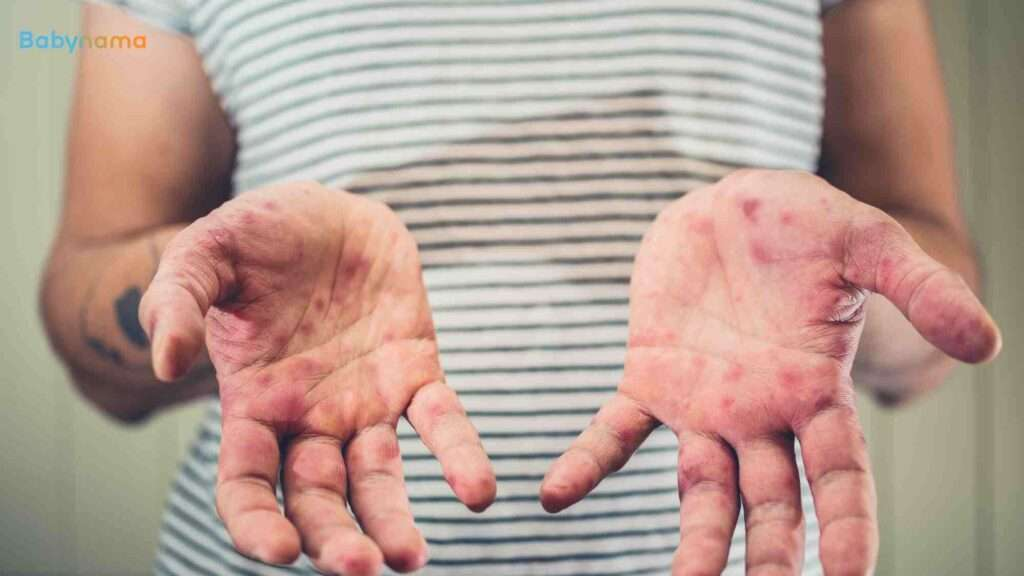
Skin Rash/Blisters (Day 2-3):
- Small red spots that become blisters
- On palms of hands
- On soles of feet
- Sometimes on knees, elbows, buttocks
- Usually NOT itchy but may be uncomfortable
Timeline:
| Day | What Happens |
|---|---|
| 1-2 | Fever, sore throat |
| 2-3 | Mouth sores appear |
| 3-4 | Hand and foot blisters develop |
| 5-7 | Fever subsides, symptoms improve |
| 7-10 | Full recovery |
Home Remedies and Care
For Pain and Fever:
- Paracetamol (Crocin/Calpol):
- For fever and pain relief
- Weight-based dose: 15 mg/kg per dose, every 4-6 hours as needed, not more than 60 mg/kg in 24 hours
- Always check the syrup strength on the bottle (e.g. 125 mg/5 ml vs 250 mg/5 ml) before measuring
- Do not give to a baby under 3 months without a doctor’s advice
- Ibuprofen (Brufen):
- Alternative for pain (only above 6 months)
- Do not give to dehydrated children
- Follow your pediatrician’s dosing advice
For Mouth Sores (Most Challenging):
- Cold Foods (for babies 6 months and older):
- Ice cream, kulfi, cold milk
- Cold curd (dahi)
- Popsicles, ice chips
- Provides relief from mouth pain
- For babies under 6 months, give only breast milk or formula — nothing else by mouth
- Soft, Bland Foods (6 months and older):
- Khichdi
- Dahi chawal (curd rice)
- Ragi porridge
- Suji (semolina) kheer
- Mashed banana
- Cool moong dal soup
- Avoid spicy, salty, acidic foods
- Mouth Rinse (for older children):
- Salt water gargle
- Provides temporary relief
- Don’t force if child refuses
- Stay Hydrated:
- Offer small sips frequently
- Cold water, coconut water, or WHO-ORS (Electral) if you notice loose stools or reduced intake
- Popsicles if child won’t drink
- Watch for dehydration
For Skin Blisters:
- Don’t pop the blisters!
- Keep skin clean and dry
- Loose, cotton clothing
- Calamine lotion may help (optional)
- Blisters heal on their own in 7-10 days
Traditional Remedies:
These are widely used in Indian homes but have no proven benefit for HFMD; discuss with your pediatrician before relying on them.
- Coconut oil: Sometimes applied on skin blisters
- Honey: For mouth sores — never give honey to a baby under 1 year (risk of infant botulism)
- Tulsi water: Sometimes used; no proven effect on the illness
- Cold buttermilk: Soothing for the mouth (6 months and older)
When to See a Doctor
Seek immediate care if:

- Any baby under 3 months with a fever of 100.4°F (38°C) or higher — this is a same-day emergency. Do not medicate and wait at home; see a doctor immediately.
- Child refuses to drink for more than a few hours
- Signs of dehydration (dry mouth, no tears, no urination for 6+ hours)
- Very high fever (above 39°C / 102°F) that doesn’t respond to medicine
- Unusual drowsiness or extreme irritability
- Difficulty breathing
- Child under 6 months with symptoms
🚨 If your child has trouble breathing, persistent vomiting, a stiff neck, seizures, blue lips, or becomes limp or unresponsive: Call 112 (national emergency) or 108 (ambulance), or go to the nearest hospital right away. Consult pediatrician if:
- Fever lasts more than 3 days
- Symptoms seem to be getting worse, not better
- Blisters become infected (pus, spreading redness)
- Child has underlying health conditions
- You’re unsure about the diagnosis
How Long is HFMD Contagious?
HFMD is most contagious:
- During the first week of illness
- While blisters still have fluid
- Can remain in stool for weeks Isolation Guidelines:
| Period | Recommendation |
|---|---|
| First week | Keep at home from school/daycare |
| Until fever-free | Must have no fever for 24 hours |
| Until blisters crust | Usually 5-7 days |
Prevention Tips
At Home:
- Hand Hygiene:
- Wash hands frequently with soap
- Especially after diaper changes
- Before eating, after using toilet
- Disinfect Surfaces:
- Toys, doorknobs, phones
- Use bleach solution or disinfectant
- Especially during outbreak
- Avoid Sharing:
- Utensils, cups, bottles
- Towels, toothbrushes
- Food
- Isolate Sick Child:
- Separate utensils
- Separate sleeping if possible
- Careful handling of diapers
In Schools/Daycares:
- Inform school immediately
- Keep child home until fully recovered
- Follow school’s isolation policy
What’s Usually Expected During HFMD?
Usually expected (less concerning):
- Child not eating for a few days (mouth pain)
- Fever for 2-3 days
- Blisters getting bigger before improving
- Skin peeling after blisters heal
- Loose stools
Not Normal (Consult Doctor):
- Refusing all fluids for hours
- Signs of dehydration
- Fever lasting more than 3 days
- Getting worse after day 3-4
- Blisters looking infected (pus)
FAQs
Q: Can my child get HFMD again?
A: Yes! There are multiple viruses that cause HFMD. Having it once gives immunity to that specific virus, but not others. Some children get HFMD multiple times.
Q: Can adults get HFMD from children?
A: Yes, adults can catch HFMD, though they often have milder symptoms or no symptoms at all. Practice good hand hygiene when caring for a sick child.
Q: My child won’t eat anything - what should I do?
A: Focus on fluids first - dehydration is the main concern. Offer cold drinks, popsicles, WHO-ORS (Electral), or ice cream (for babies 6 months and older). Appetite usually returns once mouth sores heal. A short period of eating less is generally not harmful as long as your child keeps drinking, but if they refuse all fluids for several hours or show signs of dehydration, see your pediatrician.
Q: How is HFMD different from chickenpox?
A: HFMD causes blisters mainly on hands, feet, and mouth. Chickenpox causes blisters all over the body and is very itchy. HFMD blisters are usually not itchy.
Q: Is there a vaccine for HFMD?
A: There’s no vaccine available in India currently. Prevention relies on good hygiene and avoiding contact with infected people.
Q: Can HFMD affect my baby’s digestion or potty?
A: Some children may have loose stools during HFMD. This is usually mild and temporary. Ensure proper hydration. The virus can remain in stool for weeks even after recovery.
This article was reviewed by a pediatrician. For personalized advice about HFMD in your child, consult with Babynama’s pediatric experts on WhatsApp.
General information for Indian parents, not a substitute for your pediatrician. In an emergency, call 112 or 108.
Need personalized guidance? Book a consultation with our pediatricians or explore our Care Plans for 24/7 expert support!
Related Tools