Quick Answer
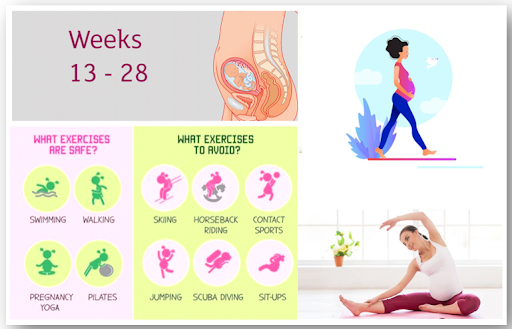
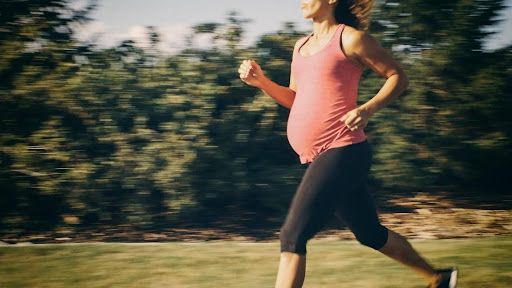
YES, for most healthy pregnancies, moderate exercise during your second trimester (4-7 months) is safe and beneficial for both you and your baby. The second trimester is often called the “honeymoon phase” of pregnancy - morning sickness usually eases, energy returns, and you have more stamina. This is a good time to maintain or start a moderate, well-guided exercise routine. Always check with your obstetrician/doctor before starting any exercise program, especially if you have any pregnancy complications.
Benefits of Second Trimester Exercise
For You:
-
Reduces back pain (kamar dard kam)
-
Decreases swelling
-
Improves sleep
-
Boosts mood and energy
-
Helps manage weight
-
Prepares body for labor
-
Faster postpartum recovery For Baby:
-
Healthy placental development
-
May improve baby’s heart health
-
Better oxygen flow
-
Lower risk of complications
Safe Exercises for Second Trimester
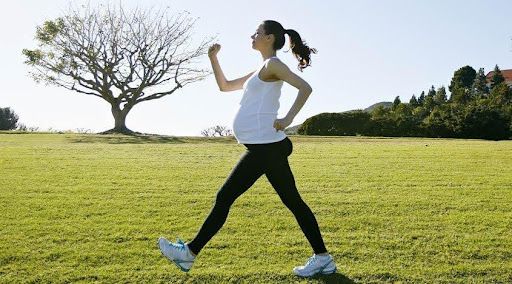
Walking (Best for Everyone!)
- 30-40 minutes daily
- Comfortable pace
- Good supportive shoes
- Avoid uneven surfaces
- Best in morning or evening (avoid heat)
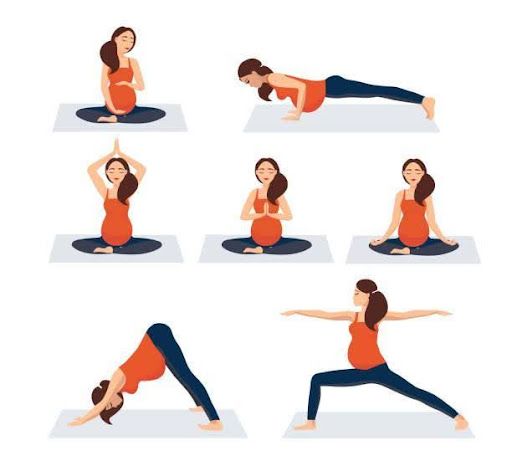
Prenatal Yoga
- Excellent for flexibility
- Helps with breathing
- Reduces stress
- Avoid lying flat on back
- Avoid deep twists
- Join prenatal-specific classes
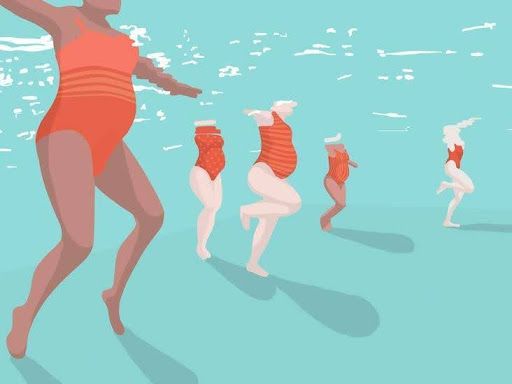
Swimming/Water Aerobics
- Low impact on joints
- Supports belly weight
- Keeps you cool
- Great for back pain relief
- Suitable for most uncomplicated pregnancies
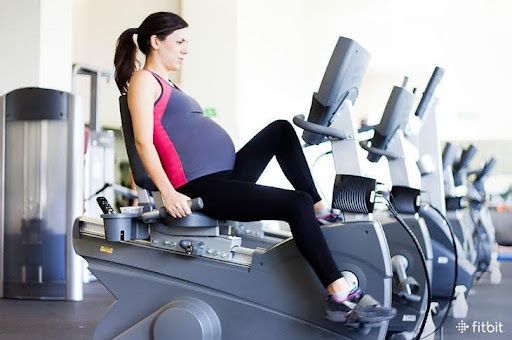
Stationary Cycling
- Safe alternative to outdoor cycling
- No fall risk
- Adjust seat for comfort
- Keep intensity moderate
- Stay hydrated
Prenatal Pilates
-
Strengthens core safely
-
Improves posture
-
Helps with back pain
-
Use modifications as needed
-
Instructor should be certified
Second Trimester Exercises
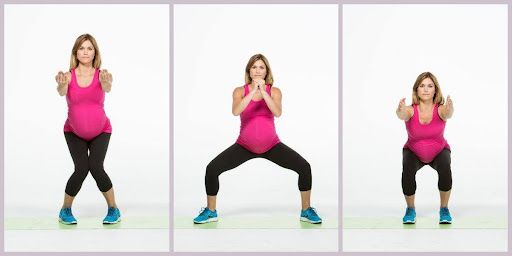
1. Wide Squats
Benefits: Strengthens legs, opens hips for delivery
How To:
- Stand with feet wider than hips
- Toes pointing slightly outward
- Lower slowly, keeping back straight
- Go as low as comfortable
- Rise slowly
- Repeat 10-15 times
2. Cat-Cow Stretch
Benefits: Relieves back pain, improves flexibility
How To:
-
Get on all fours
-
Inhale, arch back, look up (cow)
-
Exhale, round back, tuck chin (cat)
-
Move slowly with breath
-
Repeat 10-15 times
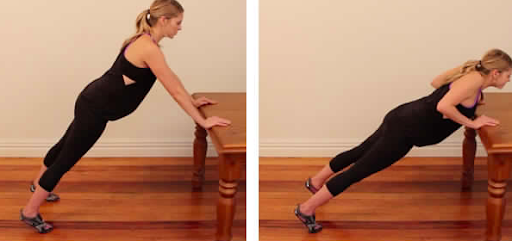
3. Incline Push-Ups
Benefits: Strengthens arms and chest
How To:
- Stand facing wall or counter
- Place hands shoulder-width apart
- Lower chest toward surface
- Push back up
- Keep back straight
- Repeat 10-12 times
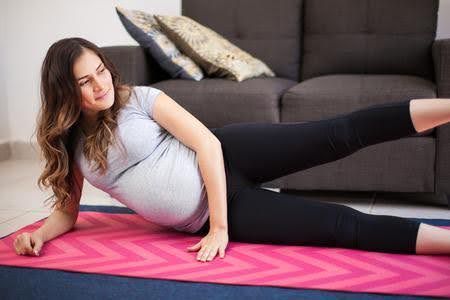
4. Side-Lying Leg Lifts
Benefits: Strengthens hips and thighs
How To:
- Lie on side with knees slightly bent
- Support head with arm
- Lift top leg slowly
- Hold 3 seconds
- Lower slowly
- 10-15 reps each side
5. Pelvic Tilts
Benefits: Strengthens core, relieves back pain
How To:
- Stand against wall or lie on back (early 2nd trimester)
- Flatten lower back by tilting pelvis
- Hold 5 seconds
- Release
- Repeat 10 times
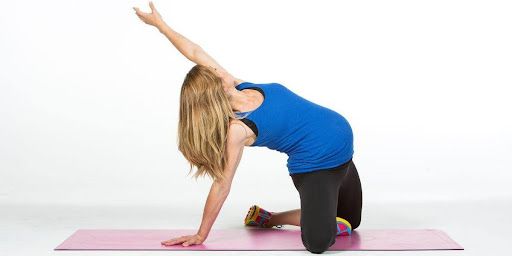
6. Mermaid Stretch
Benefits: Opens ribs, improves breathing
How To:
- Sit with legs folded to one side
- Raise opposite arm overhead
- Lean to the side, stretching
- Breathe deeply
- Hold 30 seconds
- Switch sides
Exercise Guidelines
Do:
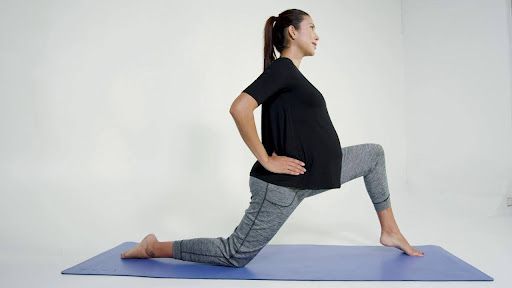
- Warm up before exercise
- Stay hydrated (paani piyo!)
- Wear comfortable clothes
- Exercise in well-ventilated area
- Listen to your body
- Cool down after exercise
- Stop if uncomfortable
Don’t:
- Exercise in extreme heat
- Lie flat on back after 16 weeks
- Do high-impact activities
- Hold breath during exercise
- Push through pain
- Exercise to exhaustion
When to Worry (Red Flags)
Stop exercising and contact doctor if:
- Vaginal bleeding
- Fluid leaking
- Regular painful contractions
- Dizziness or fainting
- Chest pain
- Calf pain or swelling
- Severe headache
- Difficulty breathing
- Decreased baby movement
🚨 Chest pain, severe difficulty breathing, fainting, or calf pain with swelling can signal a serious problem (such as a blood clot). For these, call 112 (national emergency) or 108 (ambulance) or go to the nearest hospital immediately, and inform your obstetrician.
Exercises to AVOID
| Avoid | Why |
|---|---|
| Lying flat on back (after 16 weeks) | Reduces blood flow to baby |
| Contact sports | Risk of injury |
| Hot yoga | Overheating risk |
| High altitude activities | Less oxygen |
| Scuba diving | Pressure changes |
| Horse riding | Fall risk |
| Skiing/skating | Fall risk |
| Heavy weight lifting | Strains body |
| Jumping exercises | High impact |
Week-by-Week Tips
Weeks 13-16:
-
Energy returning
-
Can continue most exercises
-
Modify as needed
-
Watch for round ligament pain Weeks 17-20:
-
Baby bump growing
-
Avoid lying flat on back
-
May need balance modifications
-
Stay hydrated Weeks 21-24:
-
Center of gravity shifting
-
Lower impact preferred
-
Focus on stability
-
Watch for overheating Weeks 25-28:
-
Belly larger
-
Reduce intensity if needed
-
Swimming especially helpful
-
Listen to body signals
What You Can Do
Daily Routine:
-
Morning: 10-15 min stretching
-
Evening: 20-30 min walk
-
Throughout day: Kegels, pelvic tilts Weekly Goal:
-
150 minutes moderate exercise per week
-
Can be broken into shorter sessions
-
Include strength, cardio, and flexibility Tips for Indian Climate:
-
Exercise in early morning or evening
-
Avoid afternoon heat
-
Stay in AC/fan-cooled room if exercising indoors
-
Carry water always
-
Wear loose cotton clothes
Frequently Asked Questions
Q: Pregnancy mein exercise karna safe hai? Ghar waale mana kar rahe hain.
A: Yes, for most healthy pregnancies, moderate exercise is considered safe and is recommended by doctors worldwide. Regular moderate exercise is beneficial for both mother and baby. Show your family this article or ask your doctor to explain the benefits. Avoid exercise if your doctor has advised against it due to complications (such as bleeding, a low-lying placenta, threatened preterm labour, or certain heart conditions).
Q: I was not exercising before pregnancy - can I start now?
A: Yes, but start gently! Second trimester is a good time to begin. Start with walking and gentle stretching. Gradually increase duration and intensity. Don’t try to do too much too soon. Listen to your body and stop if anything feels wrong. Inform your doctor about your exercise plans.
Q: Kya exercise se baby ko koi problem ho sakti hai?
A: In an uncomplicated pregnancy, moderate exercise does not harm the baby - in fact, it is beneficial. Exercise improves blood flow to the baby, may support baby’s heart health, and can help with a healthier birth weight. The key is: stay moderate, stay hydrated, don’t overheat, and stop if you feel unwell. Always follow your doctor’s guidance.
Q: How much weight should I gain during pregnancy?
A: Weight gain depends on your pre-pregnancy BMI. As a general guide: normal BMI usually gains about 11.5-16 kg total, overweight about 7-11.5 kg, and underweight may need about 12.5-18 kg. Second trimester weight gain is often roughly 0.4-0.5 kg per week. Exercise helps manage healthy weight gain but doesn’t prevent the weight gain your body needs. These are general ranges - consult your doctor for advice tailored to you.
Q: I feel tired - should I still exercise?
A: Some fatigue is normal, but regular exercise actually helps reduce tiredness! Start with gentle activities and see how you feel. Often, a short walk will energize you. However, if you’re exhausted, rest is important too. Balance activity and rest. If fatigue is severe or sudden, inform your doctor.
This article was reviewed by the Babynama Pediatricians. Last updated: February 2026.
This article is for general information for parents and expectant parents in India and does not replace a consultation with your own obstetrician or doctor. Pregnancy exercise advice should be individualised - always discuss your exercise plan with the doctor managing your pregnancy, especially if you have any complications. In an emergency, call 112 (national emergency) or 108 (ambulance), or go to your nearest hospital.
Need personalized guidance? Book a consultation with our pediatricians or explore our Care Plans for 24/7 expert support!
Related Tools