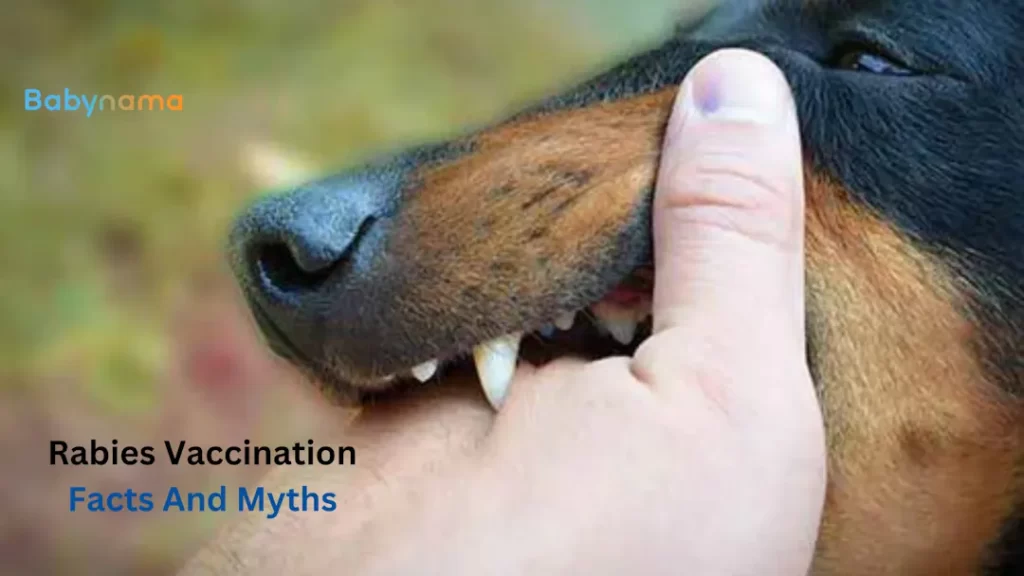
Quick Answer
The modern rabies vaccine (teeka) is safe, effective, and given in the arm - NOT in the stomach like the old days! Rabies is almost entirely preventable when wound washing, vaccine, and (for deep bites) immunoglobulin are started promptly and the course is completed. Don’t believe outdated myths - prompt first aid plus the vaccine after any animal bite can save your child’s life.
⚠️ FIRST STEP After Any Animal Bite or Scratch — Do This Immediately
Before you do anything else, wash the wound with soap and plenty of running water for at least 15 minutes, then apply an antiseptic (povidone-iodine/Betadine or alcohol). Do this before leaving for the clinic — it physically removes and inactivates the virus and dramatically reduces rabies risk.
Then go to a doctor or hospital the SAME DAY for every animal bite or scratch that breaks the skin — for the rabies vaccine and, for deep or bleeding bites, rabies immunoglobulin (RIG). Do not wait to “see how it heals.”

Understanding Rabies Vaccination in India
India accounts for over a third of global rabies deaths. Most victims are children who don’t receive timely vaccination due to:
- Fear of painful injections (outdated!)
- Belief in home remedies
- Myths about the vaccine
- Not recognizing minor bites as dangerous Let’s bust the myths and learn the facts!
Common Myths vs. Facts
MYTH 1: “Rabies vaccine is given in the stomach and is very painful”
FACT: This is outdated — it is no longer true today!
- Old nerve tissue vaccines (NTV) were given in the stomach
- Modern cell culture vaccines are given in the ARM
- They’re no more painful than any regular vaccination
- Available at all government hospitals (often free) and private clinics
MYTH 2: “If the dog is healthy/pet dog, no vaccine is needed”
FACT: Even healthy-looking dogs can carry rabies!
- Dogs can transmit rabies up to 10 days before showing symptoms
- Pet dogs that aren’t vaccinated can get rabies
- Always get evaluated by a doctor
- The “10-day observation” period doesn’t mean you should wait 10 days to start treatment
MYTH 3: “Minor scratches don’t need treatment”
FACT: Even minor scratches can transmit rabies!
- Rabies virus is in saliva
- Any break in skin is enough for transmission
- Dogs often lick their paws
- When they scratch you, saliva transfers to the wound
MYTH 4: “Putting chili/haldi on the wound helps”
FACT: This is DANGEROUS!
- Home remedies delay proper treatment
- They can introduce infection
- Some substances cause more tissue damage
- Only soap, water, and proper antiseptics should be used
MYTH 5: “If the dog dies within 10 days, you need more injections”
FACT: Start vaccination immediately, regardless of the dog’s status — don’t wait!
- If the dog dies or shows signs of rabies, complete the full course and RIG as advised
- If a reliably observed, known dog stays healthy for the full 10 days, your DOCTOR may decide to shorten the course
- Never stop doses on your own — only the treating doctor can decide to truncate the course
- Either way, the first doses must start the same day as the bite
MYTH 6: “The vaccine causes serious side effects”
FACT: Modern vaccines are usually very safe!
- Mild arm soreness is common (like any vaccine)
- Slight fever may occur
- Serious reactions are rare, but watch for the danger signs below
- Because untreated rabies is always fatal, the benefits far outweigh the risks
MYTH 7: “Pregnant women and babies can’t get rabies vaccine”
FACT: Because untreated rabies is always fatal, there are no contraindications to the post-exposure vaccine or RIG.
- It is given safely to newborns, pregnant and breastfeeding women, and the elderly
- Pregnancy is NOT a contraindication
- Babies can and should receive it if bitten — there is no age restriction
- Tell your doctor about any severe past vaccine allergy so they can monitor you
MYTH 8: “If we missed one dose, the whole course is wasted”
FACT: The course can be continued!
- Missed doses can be given later
- The schedule can be adjusted
- Consult doctor about catching up
- Don’t abandon the course!
The Truth About Modern Rabies Vaccines
How They Work:
The vaccine trains your body to recognize and fight the rabies virus before it can cause disease.
Types Available in India:
- PCECV (Purified Chick Embryo Cell Vaccine) - e.g., Rabipur
- HDCV (Human Diploid Cell Vaccine)
- PVRV (Purified Vero Cell Rabies Vaccine) - e.g., Verorab All are equally effective and safe.
Standard Schedule (Current WHO / India NRCP):
The exact schedule and route (into the muscle vs. intradermal) is decided by your treating doctor. The current regimens are:
| Route | Days | Notes |
|---|---|---|
| Intramuscular (IM, Essen 4-dose) | Day 0, 3, 7, 14 | Updated WHO/NRCP standard — the old 5-dose schedule is no longer recommended |
| Intradermal (IPC, used in many Indian hospitals) | Day 0, 3, 7 | Two injection sites per visit; full course completed in one week, equally effective (WHO 2018) |
The older 5-dose Essen schedule (Days 0, 3, 7, 14, 28) is outdated. Always complete every dose your doctor gives you, even if the wound heals and the dog looks fine — rabies is fatal once symptoms start, so the full course matters.
(Source: WHO Rabies position paper, 2018; India National Rabies Control Programme / NAPRE National Guidelines on Rabies Prophylaxis.)
What is Rabies Immunoglobulin (RIG)?
- Provides immediate protection while the vaccine takes effect
- Dosed by your child’s weight — human RIG 20 IU/kg; equine RIG 40 IU/kg (equine RIG is the common, cheaper option in government hospitals)
- Must be infiltrated into and around ALL bite wounds on Day 0, with any remainder given into a muscle
- Essential for Category III exposures: any deep or bleeding bite; any bite to the face, head, neck or hands; or any bite in a small child — for these, the vaccine alone is not enough
- Give vaccine + RIG as soon as possible. If RIG was missed on Day 0, it can still be given up to Day 7
What to Expect After Vaccination
Common Side Effects (usually mild):
- Mild pain at injection site
- Slight redness or swelling at site
- Low-grade fever
- Tiredness
- Mild headache
When to Contact Doctor:
- High fever (>102°F)
- Unusual swelling at the injection site
- Any reaction that worries you
🚨 Call 112 (national emergency) or 108 (ambulance), or go straight to the nearest hospital, if you see: difficulty or noisy breathing; swelling of the face, lips or tongue; widespread hives with vomiting; pale, grey or blue skin; floppiness or unresponsiveness; or a seizure. These can be a severe allergic reaction (anaphylaxis). If an adrenaline auto-injector has been prescribed, use it first, then go. Do not wait for a clinic appointment.
Age-Specific Information
Infants and Toddlers
- Vaccine is safe at any age
- Dose is the same (not weight-based)
- Given in the thigh for very young babies
- May be more fussy temporarily
School-age Children
- Most common victims of dog bites
- Can help understand the importance of the vaccine
- Involve them in counting remaining doses
Adults and Elderly
- Same vaccine and schedule
- Pre-exposure vaccination available for high-risk individuals
Where to Get Vaccinated
Government Hospitals:
- Usually free of cost
- Available at district hospitals
- Government medical colleges
- Primary Health Centers (PHCs) in some areas
Private Hospitals and Clinics:
- More accessible
- May have shorter wait times
- Cost: approximately Rs. 350-500 per dose (varies by city and brand, 2025)
Pre-Exposure Vaccination
Who Should Consider It?
- Veterinarians
- Animal handlers
- Lab workers handling rabies virus
- Travelers to high-risk areas
- Children in areas with many stray dogs
Schedule:
- 3 doses on Days 0, 7, and 21-28
- Provides protection even before a bite
- If bitten later, only 2 booster doses needed (no RIG)
Expert Insight: As our pediatricians remind parents: ‘After any animal bite, wash the wound for 15 minutes and see a doctor the same day — rabies is fatal once symptoms start, but almost entirely preventable if first aid and PEP begin promptly.‘
FAQs
Q: My child is scared of injections. What can I do?
A: Distract with videos or toys during the injection. Apply EMLA cream 30 minutes before (numbs the skin). Explain that this will keep them safe. The injection is quick and much easier than old stomach injections.
Q: Can we space out the doses more?
A: It’s best to follow the recommended schedule. However, if a dose is missed, consult your doctor - it can usually be adjusted. Don’t skip the entire course.
Q: Do we need vaccine if the dog was vaccinated?
A: Even if the dog appears vaccinated, consult a doctor. They’ll assess the risk and may still recommend prophylaxis, especially if vaccination records are uncertain.
Q: How much does the full course cost?
A: At government hospitals, it’s often free. At private clinics, the full course may cost approximately Rs. 2000-3000 total (varies by city and brand, 2025). Immunoglobulin (if needed) adds more. Health insurance may cover it.
Q: Is there a cure for rabies if symptoms start?
A: Unfortunately, no. Once symptoms appear, rabies is almost always fatal. This is why prevention through immediate vaccination is so crucial.
Q: How long is the vaccine effective?
A: If your child completed a full course before, a fresh bite needs only 2 booster doses (Days 0 and 3) and no RIG — no matter how recent the earlier course was. But you must still wash the wound for 15 minutes and see a doctor every single time.
This article was reviewed by a pediatrician. Last updated: January 2025
This article is general information for Indian parents, not a substitute for examination by your pediatrician. In an emergency, call 112 or 108.
Questions about rabies vaccination? Chat with Babynama’s pediatricians on WhatsApp for immediate guidance.
Need personalized guidance? Book a consultation with our pediatricians or explore our Care Plans for 24/7 expert support!
Related Tools