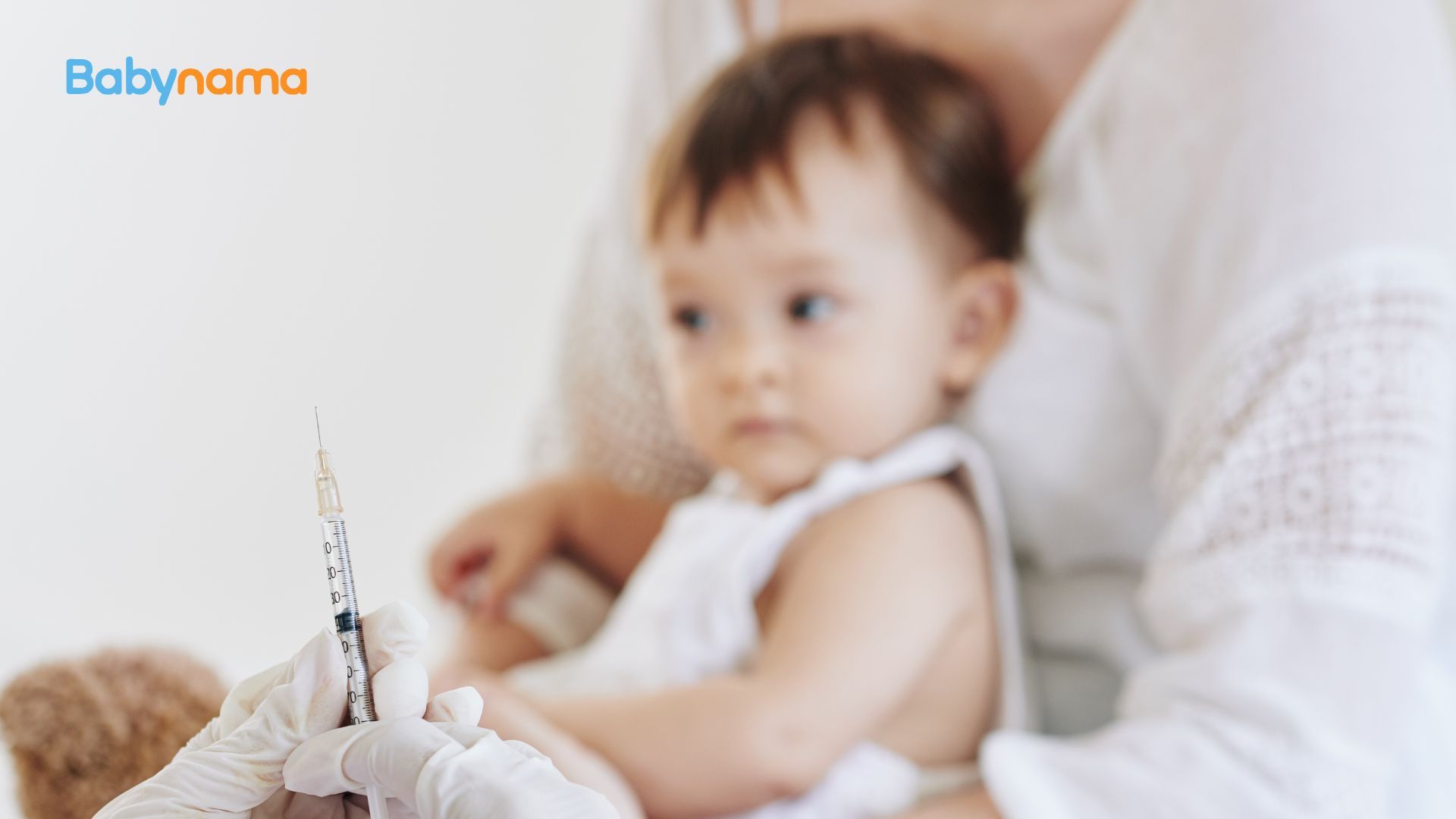
Quick Answer: Vaccinations are crucial for protecting your baby from serious diseases. In India, the IAP (Indian Academy of Pediatrics) recommends vaccines starting at birth with BCG, Hepatitis B, and OPV. Key vaccines continue at 6 weeks, 10 weeks, 14 weeks, 6 months, 9 months, and 12 months. Both government (free) and optional vaccines provide comprehensive protection. Keep your vaccination card safe and follow the schedule strictly for best protection.
Why Vaccinations Are Important
Vaccines protect your baby from potentially life-threatening diseases by training their immune system to fight infections.
Benefits of Vaccination
| Benefit | How It Helps |
|---|---|
| Disease prevention | Protects against dangerous illnesses |
| Herd immunity | Protects the community |
| Fewer complications | Even if infected, illness is milder |
| Cost-effective | Prevention is cheaper than treatment |
| Peace of mind | Knowing your child is protected |
Indian Vaccination Schedule (IAP/ACVIP 2025)
⚠️ In a baby under 3 months, ANY fever of 100.4°F (38°C) or higher is a medical emergency — see a doctor the same day, even at night. Do not give paracetamol and wait. This applies even after a vaccine.
At Birth
| Vaccine | Disease Prevented | Notes |
|---|---|---|
| BCG | Tuberculosis | Single dose, left upper arm |
| Hepatitis B (Birth dose) | Hepatitis B | Within 24 hours of birth |
| OPV 0 | Polio | Oral drops |
6 Weeks
| Vaccine | Disease Prevented | Notes |
|---|---|---|
| DTwP/DTaP 1 | Diphtheria, Tetanus, Pertussis | First dose |
| IPV 1 | Polio (injectable) | More effective than oral |
| Hepatitis B 2 | Hepatitis B | Second dose |
| Hib 1 | Haemophilus influenzae | Meningitis, pneumonia |
| Rotavirus 1 | Rotavirus diarrhea | Oral vaccine |
| PCV 1 | Pneumococcal diseases | Pneumonia, meningitis |
10 Weeks
| Vaccine | Disease Prevented | Notes |
|---|---|---|
| DTwP/DTaP 2 | Diphtheria, Tetanus, Pertussis | Second dose |
| IPV 2 | Polio | Second dose |
| Hib 2 | Haemophilus influenzae | Second dose |
| Rotavirus 2 | Rotavirus diarrhea | Second dose |
| PCV 2 | Pneumococcal diseases | Second dose |
14 Weeks
| Vaccine | Disease Prevented | Notes |
|---|---|---|
| DTwP/DTaP 3 | Diphtheria, Tetanus, Pertussis | Third dose |
| IPV 3 | Polio | Third dose |
| Hepatitis B 3 | Hepatitis B | Third dose |
| Hib 3 | Haemophilus influenzae | Third dose |
| Rotavirus 3 | Rotavirus diarrhea | Third dose (if using 3-dose brand) |
| PCV 3 | Pneumococcal diseases | Third dose (booster at 15 months) |
6 Months
| Vaccine | Disease Prevented | Notes |
|---|---|---|
| OPV 1 | Polio | Oral - continues government schedule |
| Influenza 1 | Seasonal flu | First dose |
7 Months
| Vaccine | Disease Prevented | Notes |
|---|---|---|
| Influenza 2 | Seasonal flu | Second dose (4 weeks after first) |
After the first 2-dose series, the flu vaccine is given once every year.
9-15 Months
| Vaccine | Disease Prevented | Notes |
|---|---|---|
| MMR 1 | Measles, Mumps, Rubella | First dose at 9 months |
| Typhoid conjugate | Typhoid fever | After 9 months |
| Hepatitis A 1 | Hepatitis A | From 12 months |
| Varicella 1 | Chickenpox | From 12 months (12–15 months); 2nd dose at 4–6 years |
MMR is a 2-dose vaccine — 1st at 9 months, 2nd at 15 months (with a 3rd dose at 4–6 years). One dose alone is not full protection. Note that this birth-to-1-year chart includes a few vaccines (Hepatitis A, Varicella) whose recommended ages fall just after the first birthday, so your baby will need follow-up visits beyond 12 months.
Government vs. Private Vaccines
Comparison
| Feature | Government (UIP) | Private |
|---|---|---|
| Cost | Free | Paid |
| Availability | Government hospitals/centers | Private clinics/hospitals |
| Vaccines included | Essential vaccines | Essential + optional |
| DTwP vs DTaP | Usually DTwP | DTaP available |
| Combination vaccines | Limited | More options |
Government Immunization Schedule (UIP)
| Age | Vaccines |
|---|---|
| Birth | BCG, OPV 0, Hepatitis B 1 |
| 6 weeks | OPV 1, Pentavalent 1 (DPT+HepB+Hib), Rotavirus 1, PCV 1 |
| 10 weeks | OPV 2, Pentavalent 2, Rotavirus 2, PCV 2 |
| 14 weeks | OPV 3, Pentavalent 3, Rotavirus 3, PCV 3, IPV |
| 9-12 months | MR 1, Vit A 1, JE 1 (endemic areas) |
Optional but Recommended Vaccines
| Vaccine | Disease | Why Consider |
|---|---|---|
| Pneumococcal (PCV) | Pneumonia, meningitis | Now included in many programs |
| Rotavirus | Severe diarrhea | Very effective, reduces hospitalizations |
| Varicella | Chickenpox | Prevents complications |
| Hepatitis A | Hepatitis A | Common in India |
| Typhoid conjugate | Typhoid | Endemic in India |
| Influenza | Seasonal flu | Annual vaccination |
| Meningococcal | Meningitis | For high-risk or travel |
Common Side Effects
Normal Reactions
| Side Effect | Duration | Management |
|---|---|---|
| Mild fever | 24-48 hours | Paracetamol only if distressed (see dose below) |
| Injection site redness | 2-3 days | Cold compress |
| Fussiness | 24-48 hours | Comfort, extra feeding |
| Mild swelling | 2-3 days | Usually resolves |
| Decreased appetite | 1-2 days | Continue feeding attempts |
If your baby is genuinely distressed or febrile: Paracetamol is dosed by your baby’s weight, not age: 15 mg/kg per dose, no more often than every 4–6 hours, maximum 4 doses (60 mg/kg) in 24 hours. Syrup strengths differ — Calpol/Crocin come as 120 mg/5 ml and 250 mg/5 ml, so always check the bottle. Do not give to a baby under 3 months without a doctor seeing them first. Confirm the exact mL with your pediatrician.
Do not give paracetamol routinely or preventively before or after the shot — IAP/WHO advise against routine prophylactic paracetamol because it can blunt the vaccine’s antibody response. Only treat if your baby is genuinely febrile or distressed.
Observe at the Clinic
Stay at the clinic for 15–30 minutes after each vaccination so staff can watch for any immediate severe allergic reaction (anaphylaxis), which is rare but needs treatment within minutes.
When to Seek Medical Care
⚠️ In a baby under 3 months, ANY fever of 100.4°F (38°C) or higher is a medical emergency — see a doctor the same day, even at night. Do not give paracetamol and wait. This applies even after a vaccine.
For older infants, contact your doctor for a fever above 102°F (38.9°C), any fever lasting more than 24–48 hours, or if your baby seems unwell. Reserve the emergency steps below for the danger signs.
| Symptom | Action |
|---|---|
| Fever ≥100.4°F (38°C) in a baby under 3 months | Medical emergency — see a doctor the same day |
| Fever >102°F or lasting >24–48 hours (older infants) | Call doctor |
| Excessive crying (>3 hours) | Call doctor |
| Extreme lethargy / very poor feeding | See a doctor urgently |
🚨 Call 112 (national emergency) or 108 (ambulance), or go straight to the nearest hospital, if you see: difficulty or noisy breathing; swelling of the face, lips or tongue; widespread hives with vomiting; pale, grey or blue skin; floppiness or unresponsiveness; or a seizure. These can be a severe allergic reaction (anaphylaxis). If an adrenaline auto-injector has been prescribed, use it first, then go. Do not wait for a clinic appointment.
Vaccine Safety
Addressing Common Concerns
| Concern | Reality |
|---|---|
| ”Too many vaccines too soon” | Baby’s immune system handles thousands of antigens daily |
| ”Vaccines cause autism” | Large studies involving millions of children have found no link between vaccines and autism |
| ”Natural immunity is better” | Disease carries serious risks; vaccines are safer |
| ”Healthy children don’t need vaccines” | Diseases don’t discriminate |
| ”Vaccines contain harmful ingredients” | Vaccine ingredients are present in tiny, tested amounts and are not harmful at these doses |
Before and After Vaccination
Before the Visit
| Preparation | Why |
|---|---|
| Bring vaccination card | Track record |
| Feed baby | Better tolerance |
| Dress in easy-access clothes | Quick injections |
| Note any recent illness | May delay some vaccines |
After the Visit
| Care | How |
|---|---|
| Feed on demand | Comfort and hydration |
| Watch for reactions | Normal vs. concerning |
| Give paracetamol only if distressed or febrile | Weight-based dose (15 mg/kg) — not routinely/preventively; see dosing note above |
| Keep site clean | No rubbing |
| Note next appointment | Mark on calendar |
Catch-Up Vaccination
If Doses Are Missed
| Situation | Action |
|---|---|
| Missed one dose | Resume schedule, don’t restart |
| Multiple doses missed | Doctor will create catch-up plan |
| Unknown vaccination history | May need to restart some vaccines |
Important: There’s no “too late” for most vaccines. It’s always better to catch up than to skip.
Vaccination Card
Keep It Safe
| Tips | Why |
|---|---|
| Store in safe place | Needed for school admission |
| Make copies | Backup in case of loss |
| Take photos | Digital backup |
| Bring to every visit | Update records |
What’s Recorded
- Vaccine given
- Date administered
- Batch number
- Next due date
- Doctor/clinic details
Frequently Asked Questions
Q: Can I give multiple vaccines at once?
A: Yes! Giving multiple vaccines at one visit is safe and recommended. It provides faster protection and reduces clinic visits. Combination vaccines (like Pentavalent) do this routinely.
Q: What if my baby has a mild cold on vaccination day?
A: Mild illness (low-grade fever, runny nose) is usually not a reason to delay. Moderate to severe illness may warrant postponement. Your doctor will advise.
Q: DTwP or DTaP - which should I choose?
A: DTaP has fewer side effects (less fever, fussiness) but is more expensive. DTwP is effective and safe. Both protect equally well. Discuss with your pediatrician.
Q: Are government vaccines as good as private ones?
A: Yes! Government vaccines are WHO-prequalified and equally effective. The main difference is the range of optional vaccines available and sometimes the type (DTwP vs DTaP).
Q: What if I can’t afford optional vaccines?
A: Focus on the government schedule - it covers essential protection. If possible, prioritize Rotavirus and Pneumococcal as they prevent common, serious illnesses.
Key Takeaways
- Start at birth - BCG, Hepatitis B, and OPV are given immediately
- Follow the schedule - Timing matters for best protection
- Don’t skip doses - Complete all recommended doses
- Both free and paid vaccines are effective - Choose what works for you
- Minor side effects are normal - Watch for severe reactions
- Keep your card safe - You’ll need it throughout childhood
- Catch up if behind - It’s never too late
- Ask your doctor - For personalized advice
This article was reviewed by pediatricians at Babynama. Schedule verified against the IAP/ACVIP 2025 immunization recommendations. Last updated: June 2026
This article is general information for Indian parents, not a substitute for examination by your pediatrician. In an emergency, call 112 or 108.
Need personalized guidance? Book a consultation with our pediatricians or explore our Care Plans for 24/7 expert support!
Related Tools